













 Green tunic + feathered cap
Peter Pan’s green tunic, Captain Hook’s red coat and Willy Wonka’s purple velvet make a storybook costume easy to recognize. This collection brings together 24 men’s costume ideas from fairy tales, children’s books, folklore and literary fantasy, including their familiar screen adaptations. Some start with a shirt and trousers; others need a complete costume, distinctive hat or theatrical hair. Choose a favorite story first, then find a version you would enjoy wearing for the whole event.
Browse Costume Ideas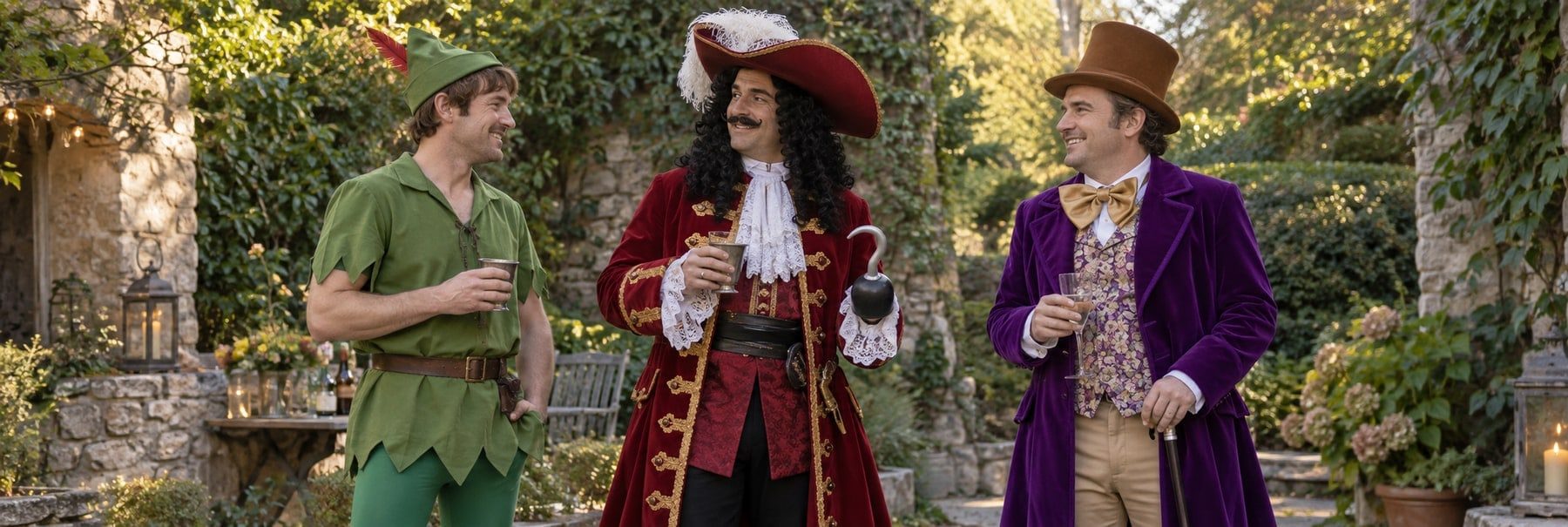
Peter Pan offers a simple tunic shape, Hook a theatrical coat, Prince Eric ordinary separates and Wonka a distinctive top hat. Use these starting points to decide how much costume-specific clothing you want to assemble.
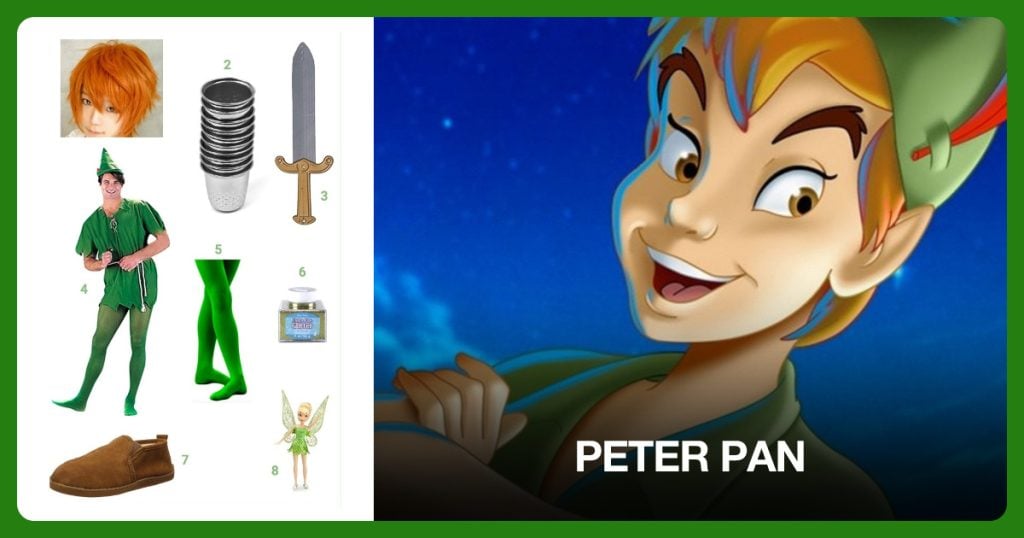
 Peter PanGreen tunic + feathered cap
 Captain HookRed pirate coat + feathered hat
 Prince Eric — AnimatedWhite shirt + red sash
 Willy Wonka — 1971 FilmPurple coat + brown top hat
| Costume | Start With | Preparation |
|---|---|---|
| Peter Pan | Green tunic + feathered cap | A few specific pieces |
 Mr. Smee | Striped tee + red stocking cap | Everyday clothes |
| Prince Eric — Animated | White shirt + red sash | Everyday clothes |
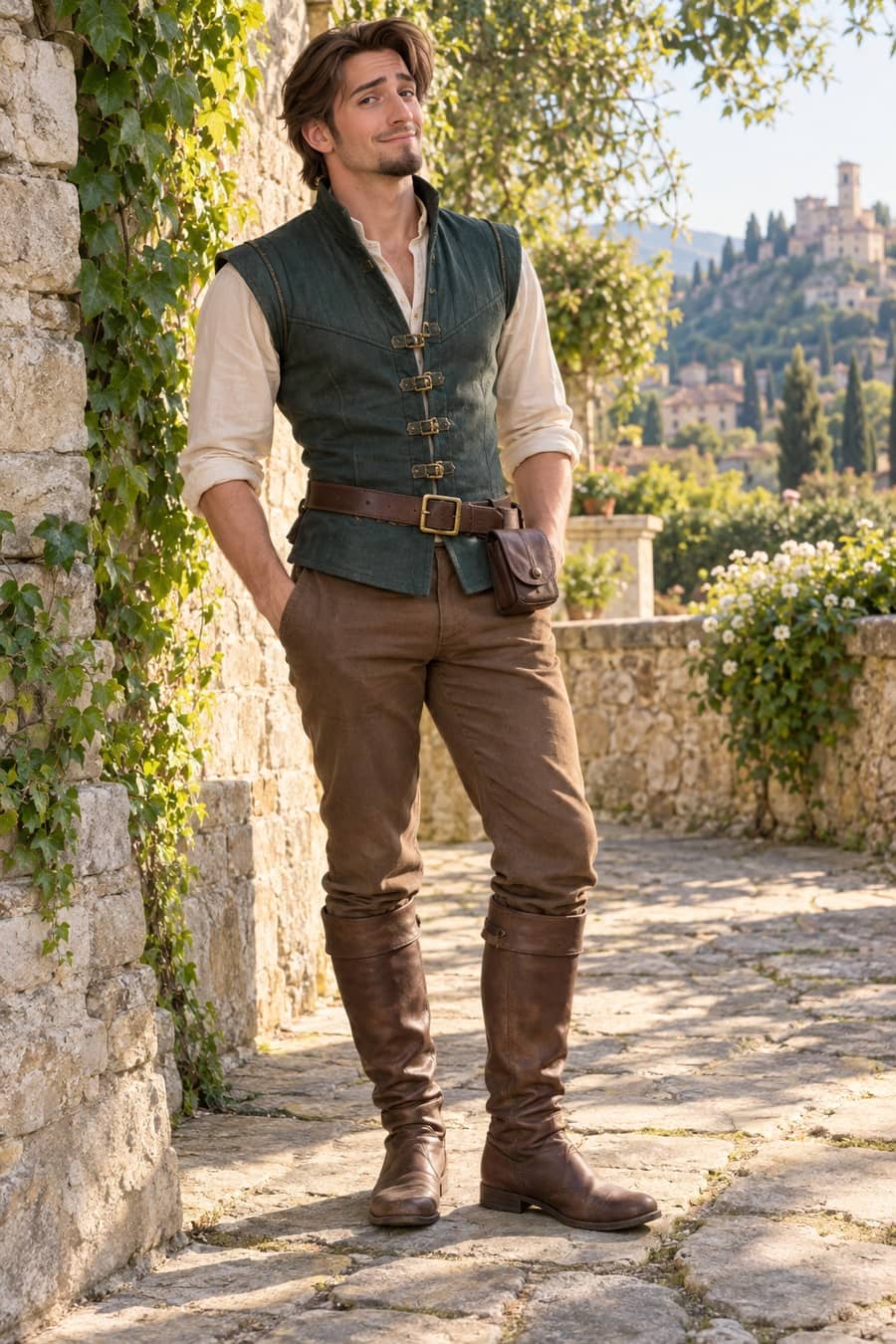
 Flynn Rider | Green vest + cream henley | A few specific pieces |
| Willy Wonka — 1971 Film | Purple coat + brown top hat | A few specific pieces |
 Shrek | Cream top + cropped brown vest | Full costume or styling |
 Gandalf the Grey | Gray robe + pointed hat | Full costume or styling |
 The Cat in the Hat | Striped tall hat + red bow tie | Full costume or styling |
No costumes match those choices. Try another search or use Reset to see every idea.
These outfits cover Neverland, Sherwood Forest and animated fairy-tale kingdoms, with different levels of formality. Eric and Flynn lean on shirts, trousers and boots; Peter Pan and Aladdin depend on stronger character colors. The versions below are deliberate: a Disney fox, a green-clad Neverland boy and a Tangled adventurer should not become interchangeable generic medieval costumes.
Green tunic + feathered cap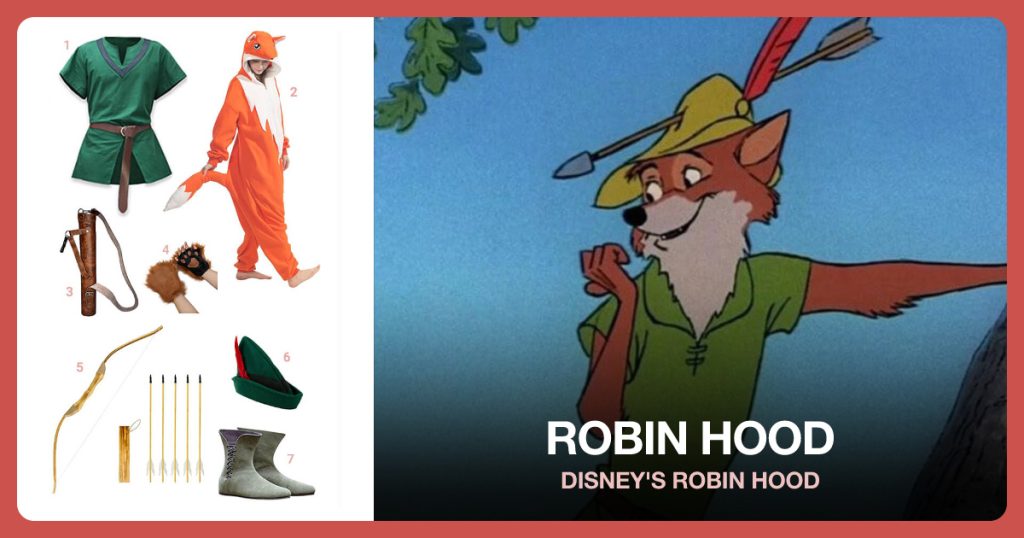 Green tunic + fox details
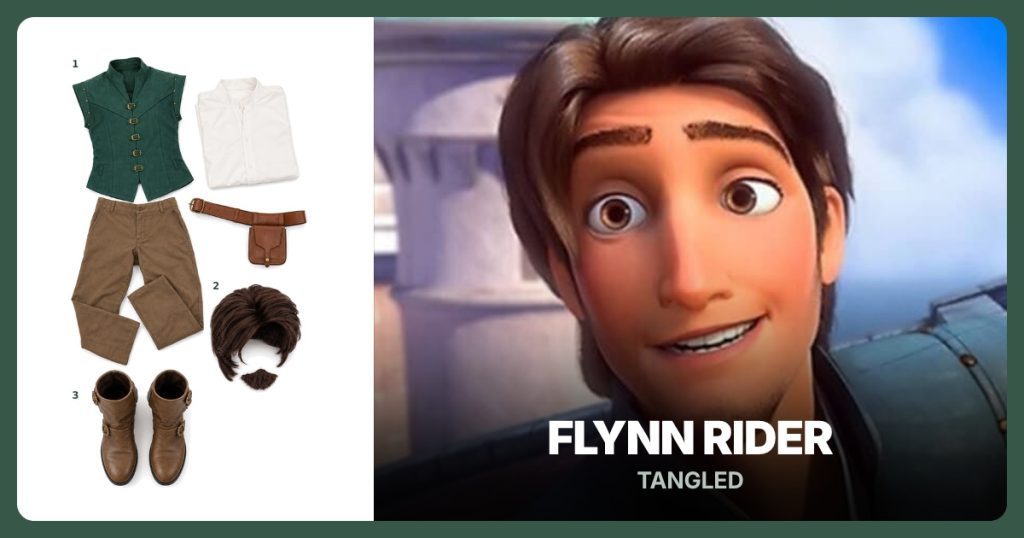 Green vest + cream henley
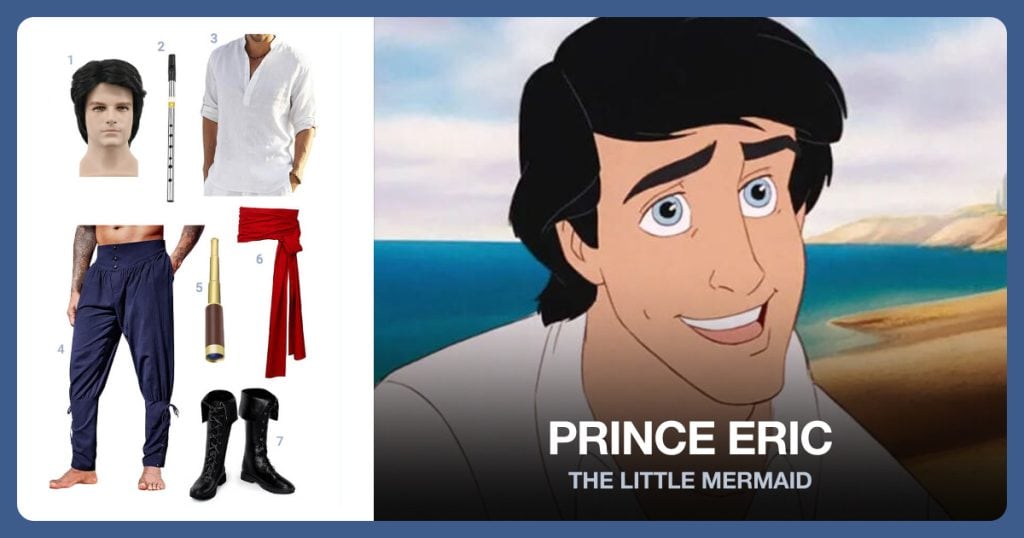 White shirt + red sash
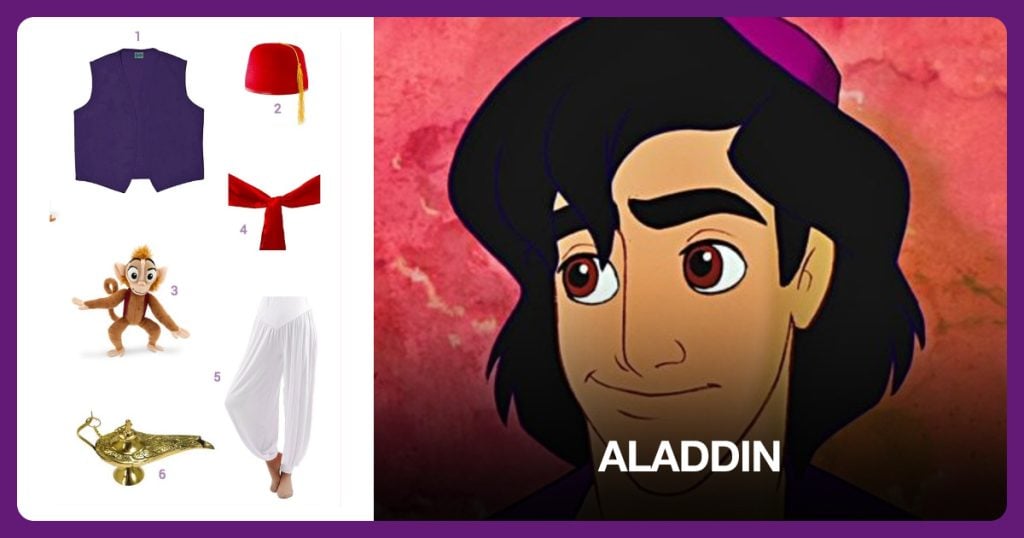 Purple vest + white harem trousers
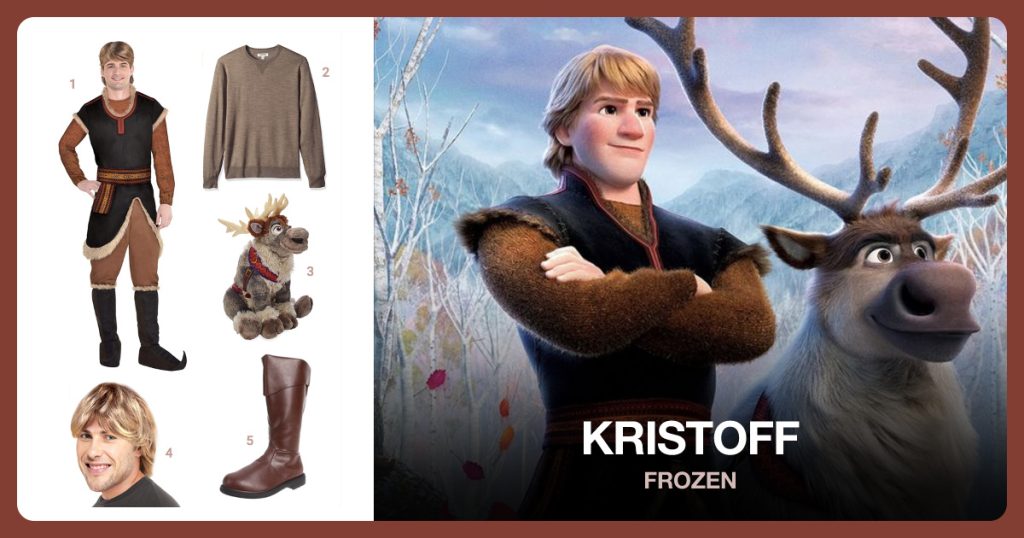 Dark tunic + brown sweater
Hook, Jafar and the Shrek characters offer bolder shapes, unusual headwear and more theatrical styling. Smee provides a simpler clothing-based alternative within the same section. Choose one defining feature to build around, then check how the complete outfit behaves when you sit, walk or remove a mask. Character identity comes from clothing and performance, not from matching someone’s height or body.
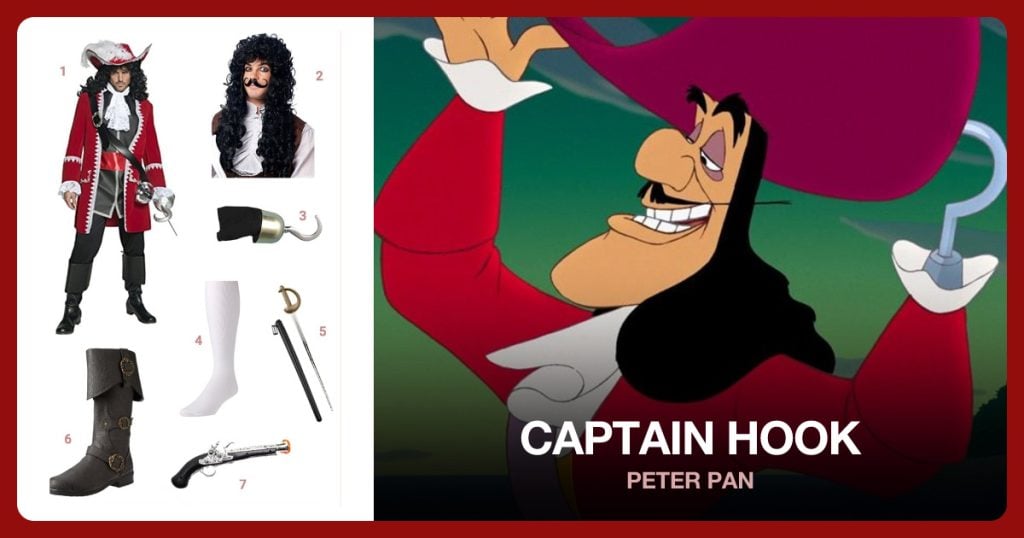 Red pirate coat + feathered hat
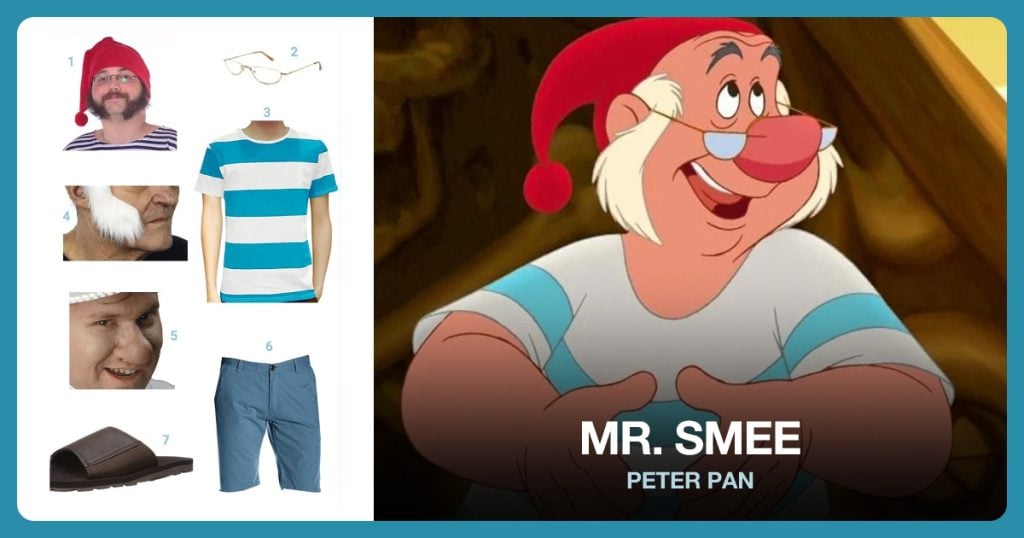 Striped tee + red stocking cap
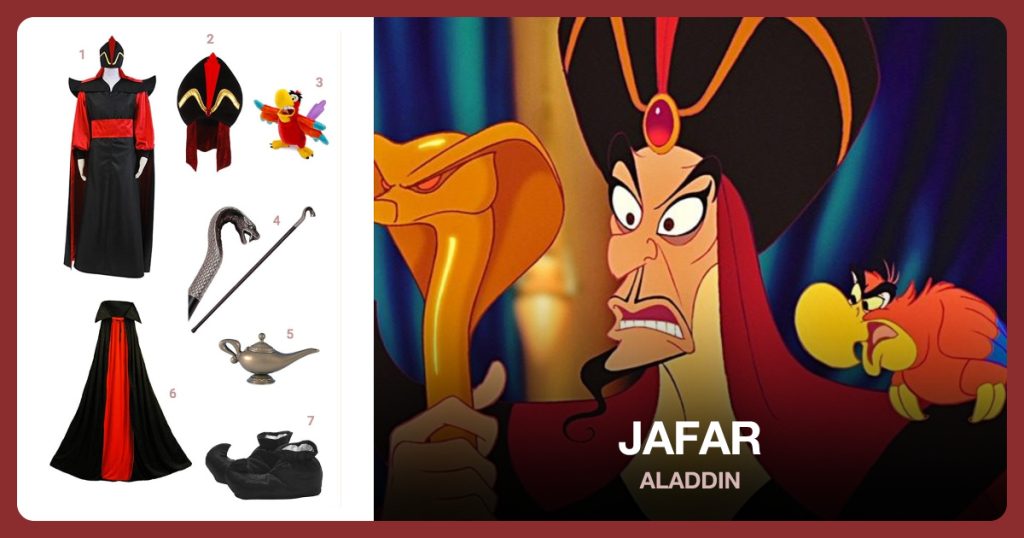 Black-and-red robe + tall hat
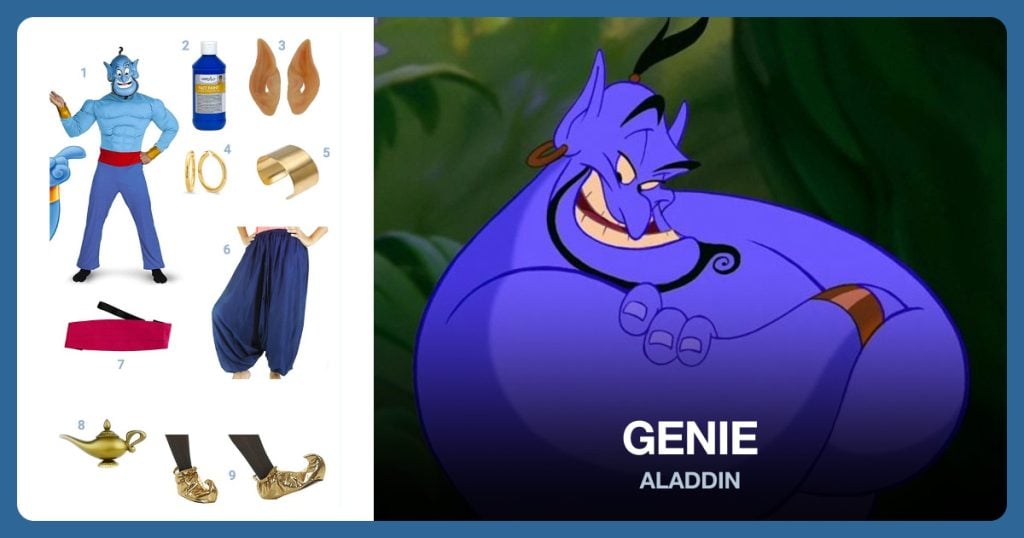 Blue costume + gold cuffs
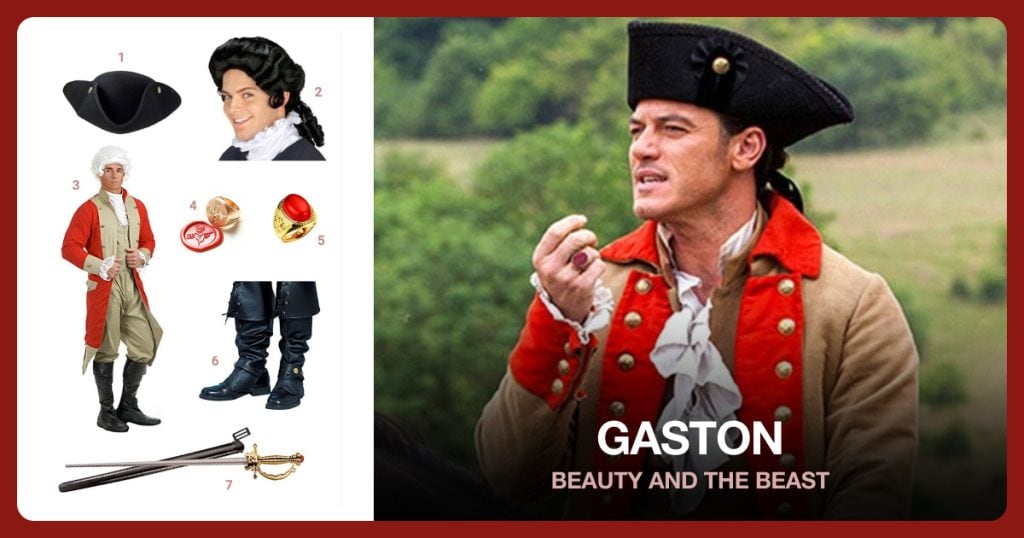 Red coat + black tricorne
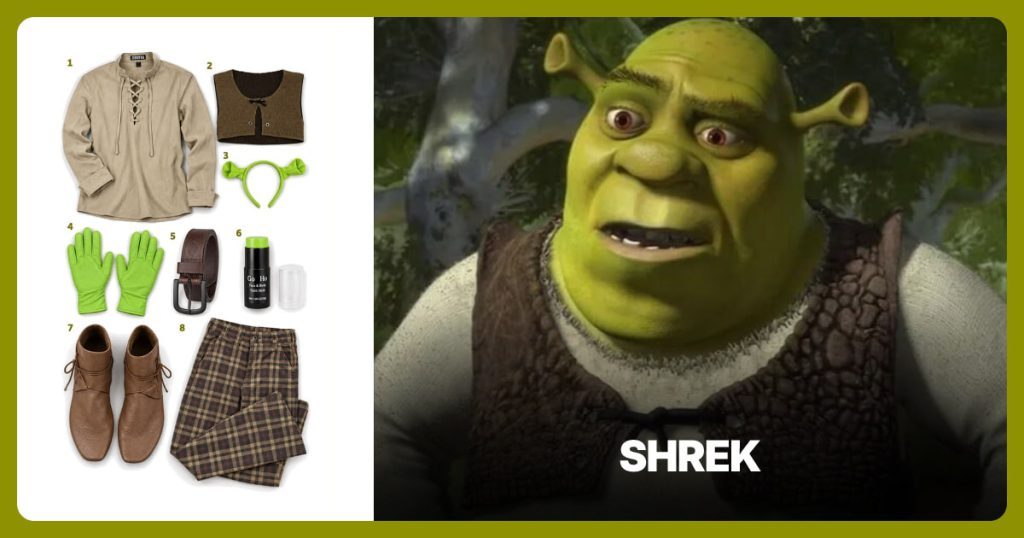 Cream top + cropped brown vest
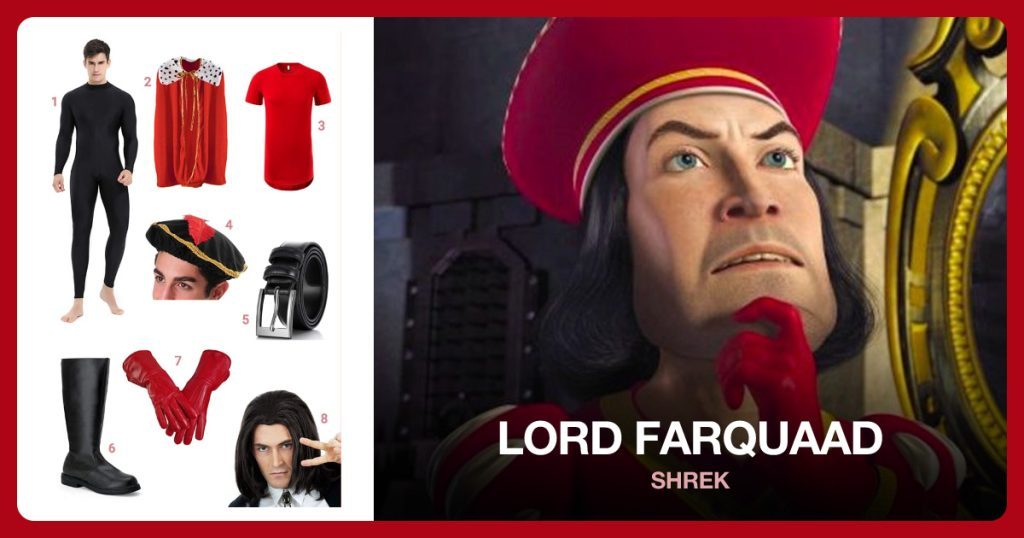 Red tunic + dark bob
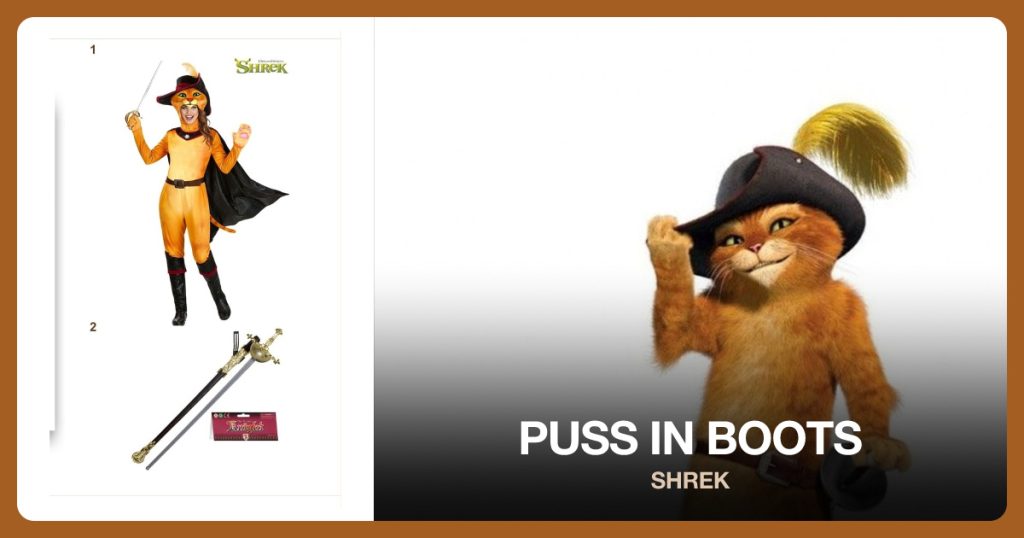 Orange cat costume + musketeer hat
Top hats, clocks and striped headwear make these book characters particularly useful when the costume needs to read quickly. The familiar screen versions supply concrete clothing references, but the underlying stories remain the organizing idea. A small clock or bow tie can be more useful than a large pile of props, especially at a book event where you may want to carry the book itself.
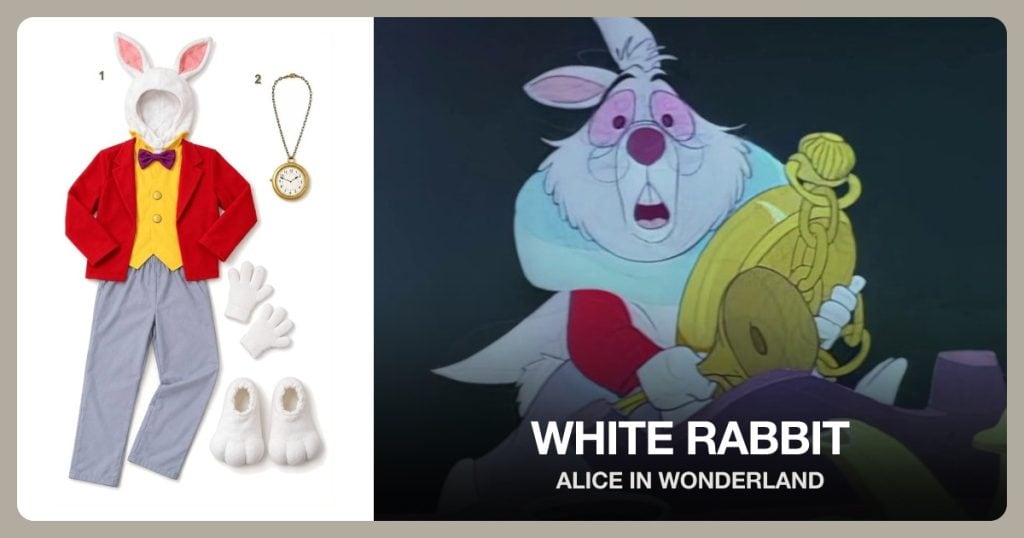 Red jacket + gold clock
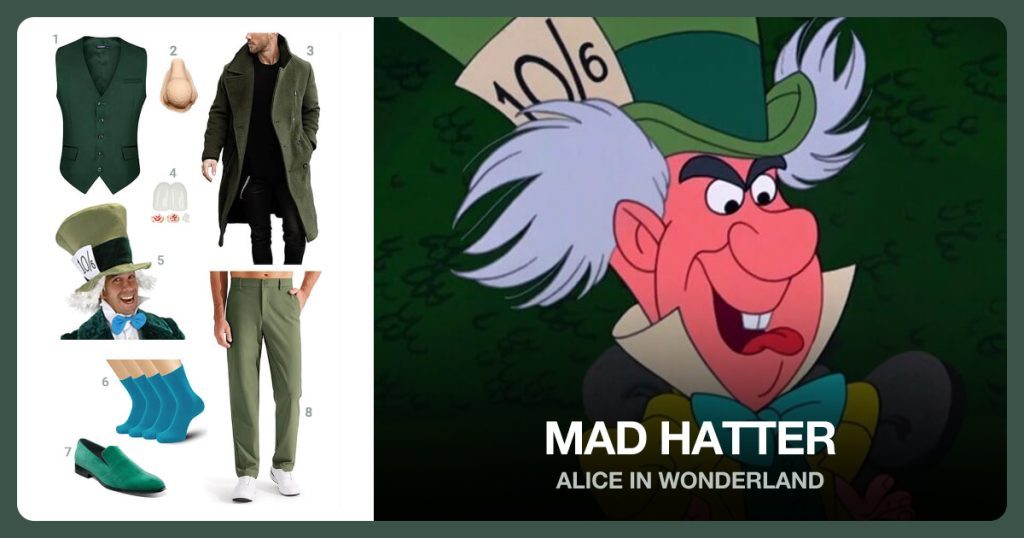 Green coat + oversized hat
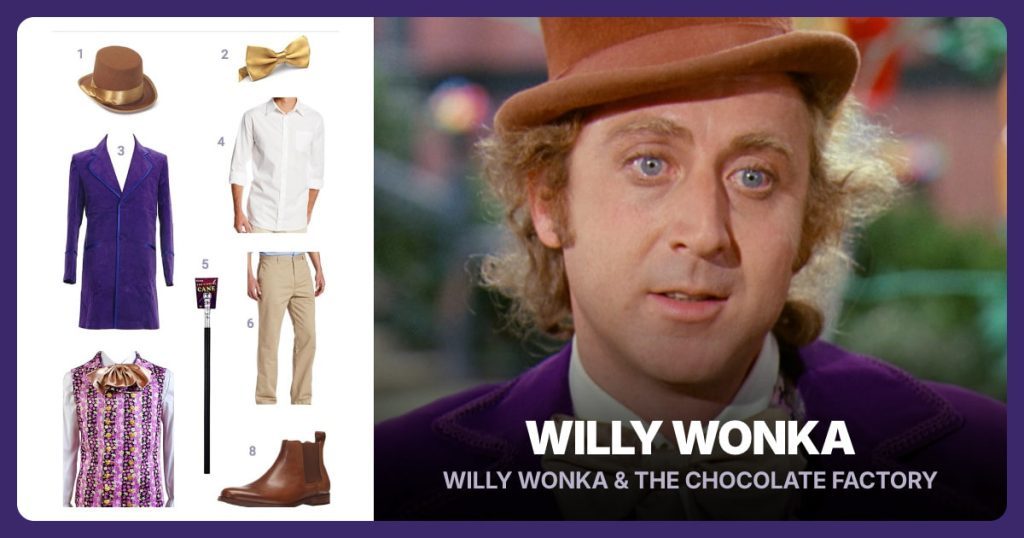 Purple coat + brown top hat
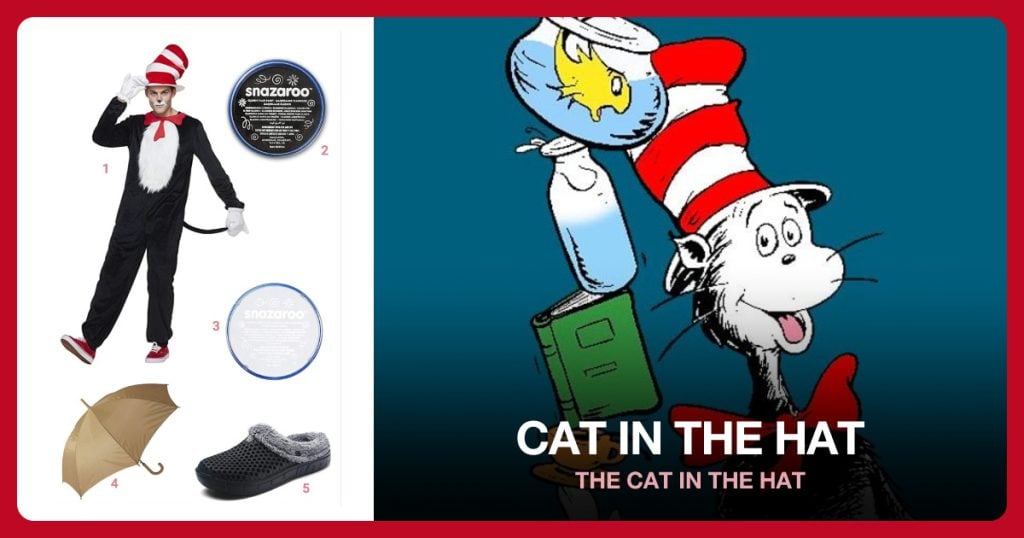 Striped tall hat + red bow tie
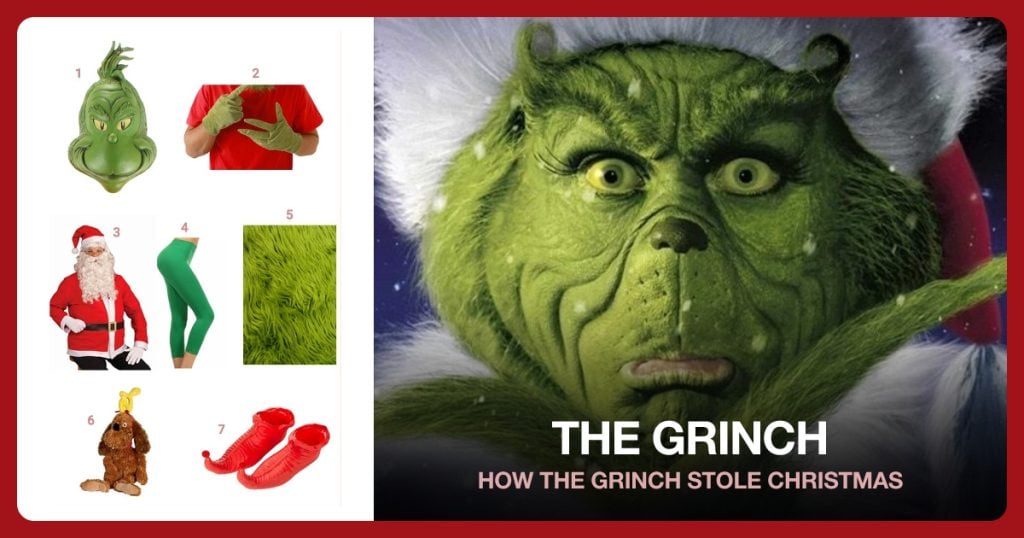 Green fur details + Santa coat
The Princess Bride, Tolkien’s stories and the legend of Merlin widen the collection beyond traditional fairy tales. These choices suit readers who prefer a traveler, swordsman or wizard over a prince. Each uses a particular screen interpretation, so the young BBC Merlin is intentionally different from the robed, gray-bearded Gandalf.
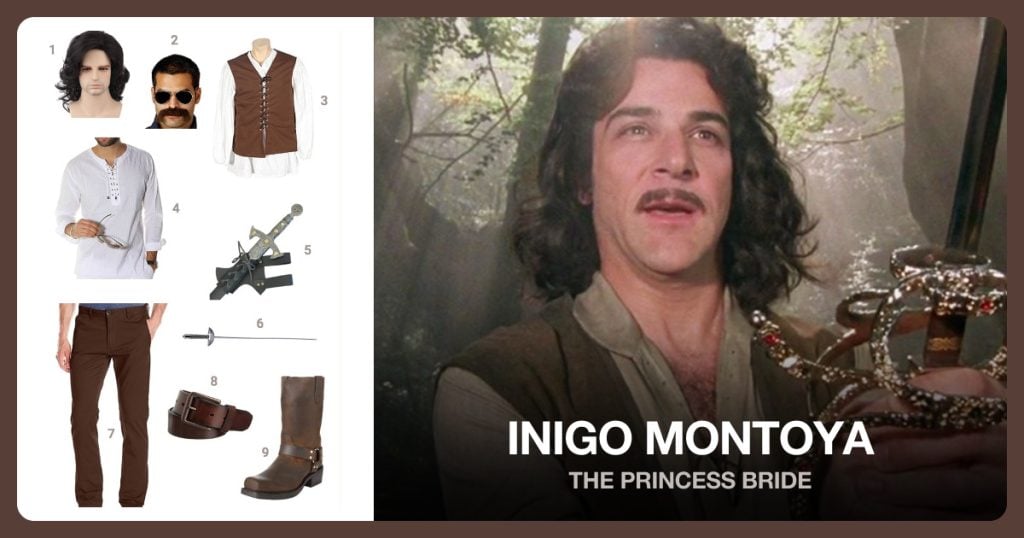 Cream lace-up shirt + brown vest
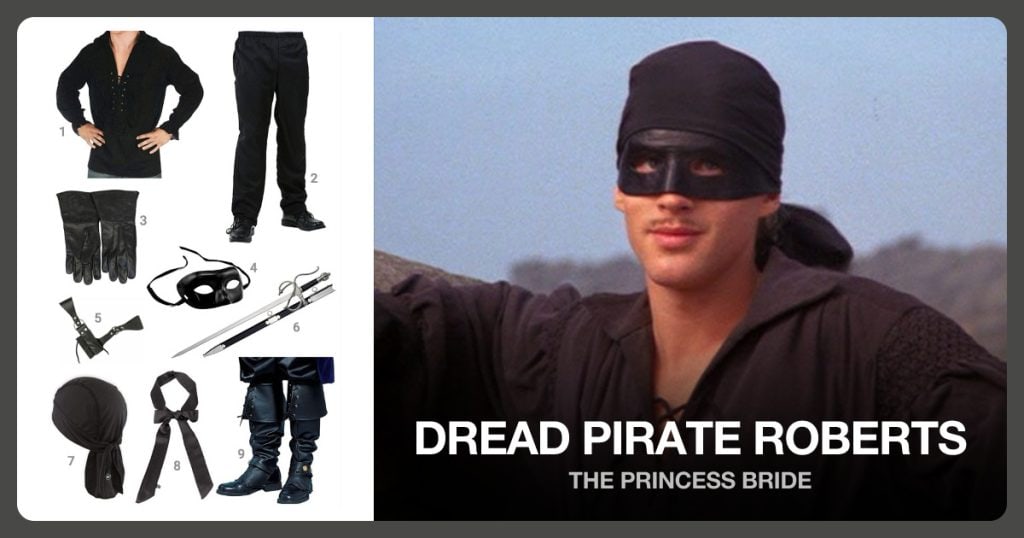 All-black layers + eye mask
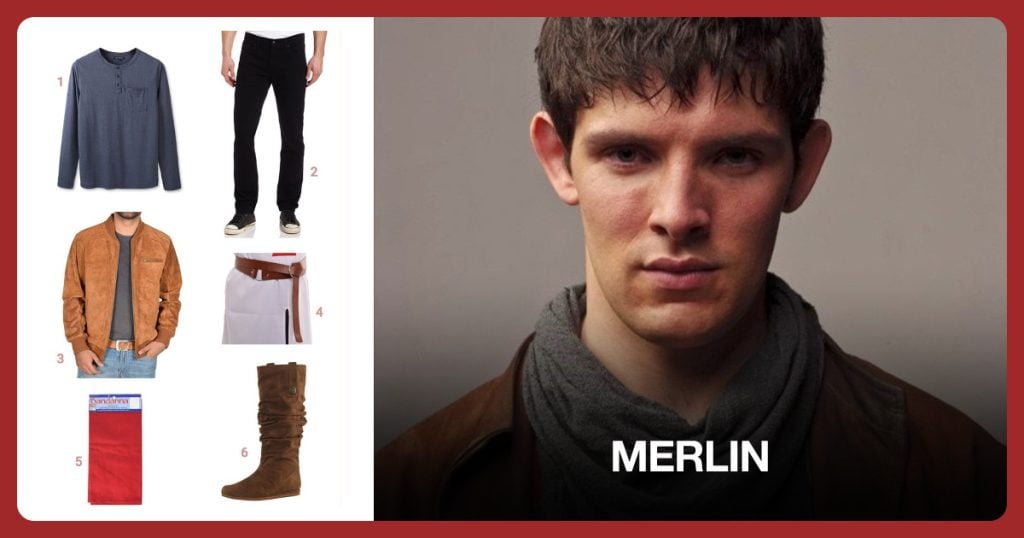 Blue shirt + brown jacket
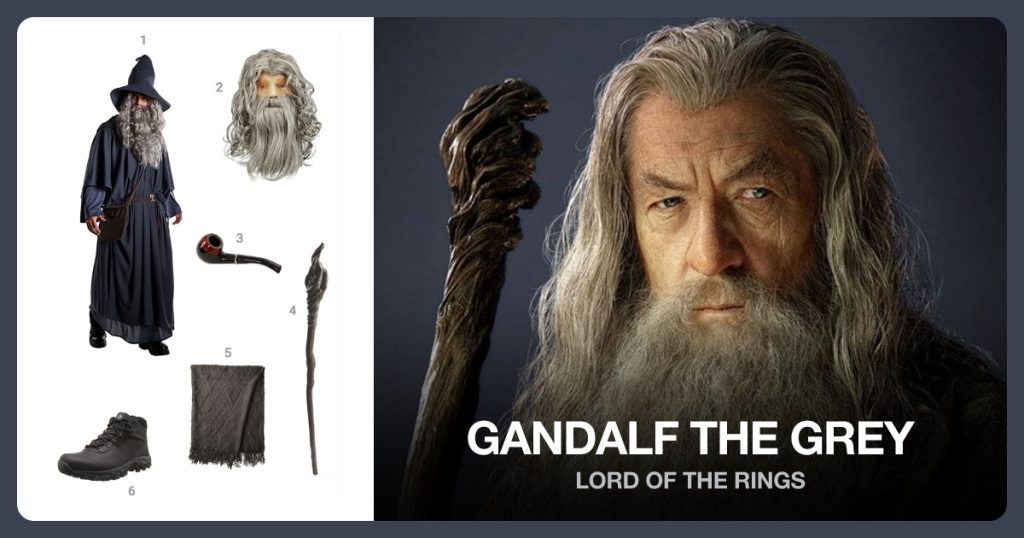 Gray robe + pointed hat
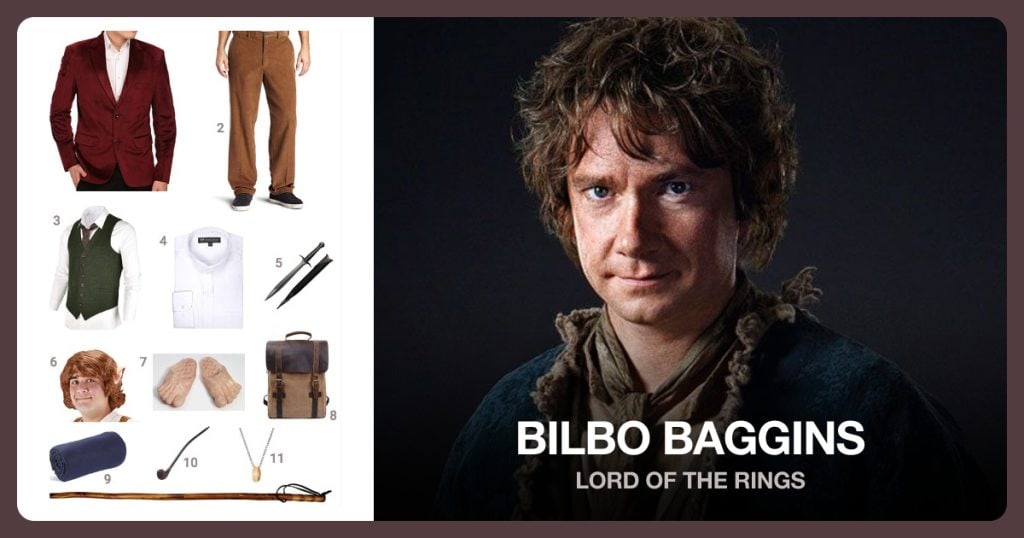 Burgundy jacket + green waistcoat
A tunic, cape or top hat can belong to many costumes. The right combination of color, headwear and one story-specific detail turns those pieces into a character someone can name.
Decide whether you want Disney’s animated character, a live-action film interpretation or a book-inspired adaptation. Eric, Gaston, Merlin and Wonka all have different screen looks. Use one version as your reference so the clothes and accessories belong together.
Peter Pan needs the green tunic and cap; Hook needs the ornate pirate coat and hat; Wonka needs the purple coat and top hat. Find those pieces before buying tiny props. A clear main garment is more useful than several accessories attached to an unrelated outfit.
Try the shirt under the vest and the robe over your planned clothes. A belt can adjust the visual shape but should not compensate for an outfit that is too small. Check shoulder movement, sleeve length and the ability to sit before judging the costume only in a mirror.
Long coats, robes, boot covers and animal tails can catch underfoot. Walk, turn and use stairs in the finished costume. Secure loose covers and shorten a trailing hem; you can preserve the character’s colors without copying a length that is awkward for your event.
Peter Pan, Hook and Smee give three people different outfits from one story. Aladdin, Genie and Jafar do the same, as do Shrek, Farquaad and Puss in Boots. Choose roles people actually want, rather than assigning them according to height, size or facial features.
A small clock, book or plush can be easy to manage, while staffs, swords and large wings need more space. Check the event’s rules and keep hands free when needed. Many of these costumes work without a weapon-shaped prop because the clothing and headwear already establish the character.
Prince Eric and Mr. Smee are useful clothing-first choices. Eric uses a white shirt, dark trousers and red sash; Smee uses a striped tee, blue shorts and red cap. Flynn can also work if you already have boots and a suitable vest. Each still benefits from its specific color combination.
No. The collection includes traditional tales, children’s books, folklore and literary fantasy, plus familiar screen adaptations. Peter Pan and Wonderland sit alongside Tolkien and The Princess Bride. The sections and costume labels make those differences clear rather than calling every story a traditional fairy tale.
Many have a book connection, but check the organizer’s theme and preferred interpretation. A Disney or other film costume may look different from the original illustrations. Bring the relevant book if requested, and choose manageable hats, hems and props for the space where you will be reading or teaching.
Peter Pan, Captain Hook and Mr. Smee form a clear Neverland trio. Aladdin, Genie and Jafar or Shrek, Farquaad and Puss in Boots are other same-story combinations. These are three-character selections, not claims that every group is a canonical trio of friends.
No. Use recognizable clothes, colors, hair or headwear. Smee’s cap and stripes, Shrek’s vest and ears, and Bilbo’s waistcoat and curls communicate the character without padding your body or changing how you walk. Pick a role you want to wear.
Yes, particularly with Eric, Flynn, Wonka, Inigo or Merlin. Shrek and Genie need more adaptation because their nonhuman coloring is a strong cue. For those, use clothing and small character accessories deliberately and describe the result as an inspired version rather than an exact transformation.
Wonka is the purple-coated 1971 film interpretation. Merlin is the young BBC-series version in a blue shirt and brown jacket. Gaston is the live-action red-coat and tricorne look, not the animated short-sleeve outfit. Their linked guides show the particular clothing used here.
A good shortlist starts with the event as much as the story. Eric or Smee can suit an informal gathering, while Hook or Gandalf gives you a more theatrical project. Once you choose, compare the hat, main garment and footwear together. If those pieces communicate the character, you can be selective about the smaller props and still arrive with a complete look.
The strongest storybook costumes combine a familiar character with clothes that work for the person wearing them. A green tunic, purple coat or red sash can carry a lot of meaning when the surrounding outfit is coherent. You do not need to copy an actor’s face or a cartoon’s proportions to make the idea successful.
Use the individual guide to study the exact version, then build the main layers before adding hair, headwear and props. Whether you choose a mischievous pirate, a friendly ogre or a quiet traveler from the Shire, make the costume comfortable enough to enjoy your own part in the story.
Outfit details were reviewed against the individual Costume Wall guides and their pictured kits. Suggested adaptations are described in the recommendations. Product sizes and availability must be checked separately.
Individual costume references: Peter Pan; Robin Hood — Disney; Flynn Rider; Prince Eric — Animated; Aladdin — Animated; Kristoff — Frozen 2; Captain Hook; Mr. Smee; Jafar; Genie — Animated; Gaston — Live Action; Shrek; Lord Farquaad; Puss in Boots; White Rabbit; Mad Hatter — Animated; Willy Wonka — 1971 Film; The Cat in the Hat; The Grinch; Inigo Montoya; Westley — Dread Pirate Roberts; Merlin — BBC Series; Gandalf the Grey; Bilbo Baggins.
Find women’s fairy-tale and storybook looks for a shared theme.

Choose a complete pairing for two people.

Explore more theatrical Disney villain costume ideas.
CW is reader-supported. When you buy through links on our site, we may earn an affiliate commission. Learn more about CW →