






Essential Samurai Items
Clothing Options
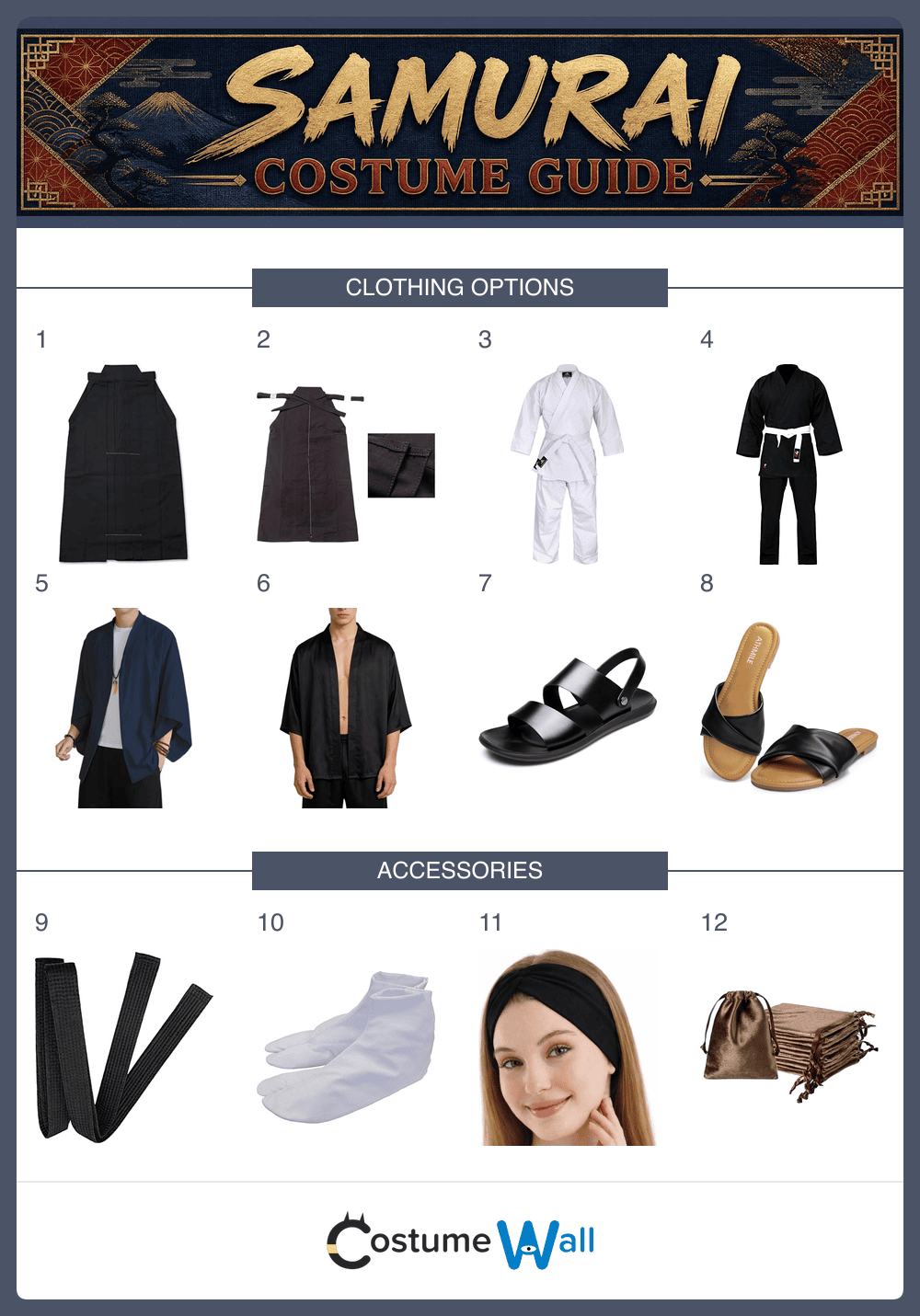
Choose one base outfit; these pieces are alternatives.
- Black Kendo HakamaSee on Amazon
- Navy Indigo Kendo HakamaSee on Amazon
- White Martial Arts UniformSee on Amazon
- Black Martial Arts UniformSee on Amazon
- Navy Linen Haori JacketSee on Amazon
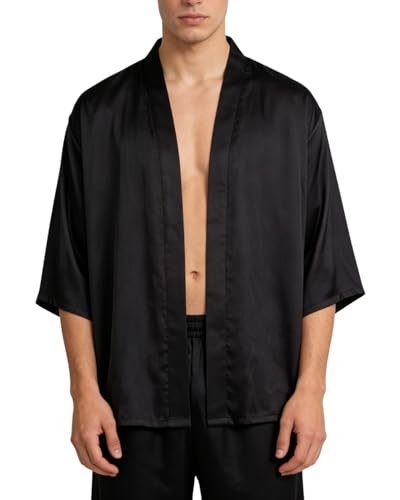
- Black Kimono CardiganSee on Amazon
- Black Men’s Flat SandalsSee on Amazon
- Black Women’s Flat SandalsSee on Amazon
Accessories
Choose the details that suit your version; you do not need every accessory.
- Black Martial Arts BeltSee on Amazon
- White Adult Tabi SocksSee on Amazon
- Black Cotton HeadbandSee on Amazon
- Brown Velvet Drawstring PouchesSee on Amazon
How to Dress Like a Samurai
This is a practical, modern martial-arts costume inspired by the broad silhouette associated with samurai, not a historical reconstruction. A keikogi-style wrap jacket stands in for a historical kosode, while hakama provides the pleated lower half that makes the outfit read clearly. A haori-style open jacket is an optional outer layer, not armor.
Start with one wrap-front top and one pair of hakama, then choose either black or navy as the main contrast color. White tabi socks and plain flat sandals keep the footwear simple. The listed shopping options are useful alternatives if you are missing a piece, but existing martial-arts clothing, loose black trousers or a simple dark sash can cover much of the same visual ground.
Keep the construction easy and wearable. All four looks use ordinary dressing and tying rather than sewing, armor-making or weapon props. The important visual rule is the wrap: place the left front panel over the right, then secure it with the obi. Check that the layers let you sit, walk and move comfortably before you leave.
Assembly timeAbout 15–25 minutes*
BudgetReuse or shop individual pieces
Works asSolo, duo or group
DIY levelEasy · no sewing required
*Estimated dressing and simple styling time once you have the pieces. Allow extra time for homemade details; cost depends on what you already own.
Samurai Character Costumes
Choose a robed animated swordsman or a heavily armored game character. Each guide follows its own fictional design.
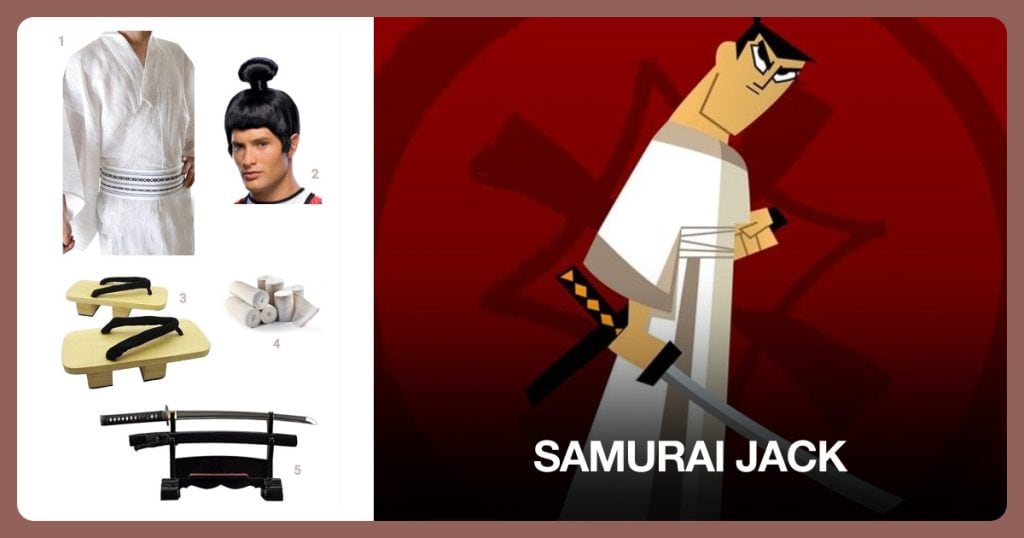
Samurai Jack
Jack’s white wrap robe, sandals and topknot create the animated samurai silhouette.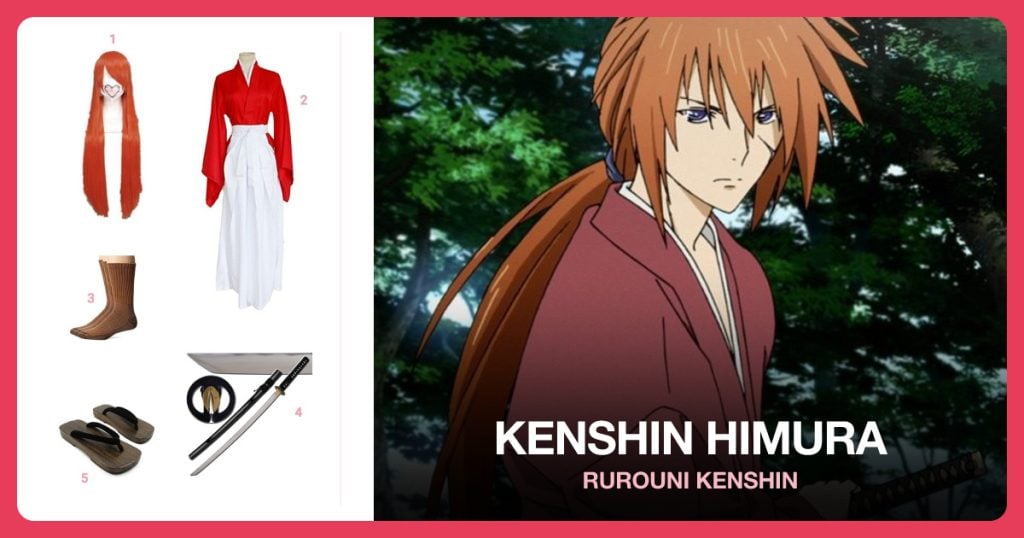
Kenshin Himura
Kenshin’s red wrap top, pale hakama and orange hair identify the wandering swordsman from Rurouni Kenshin.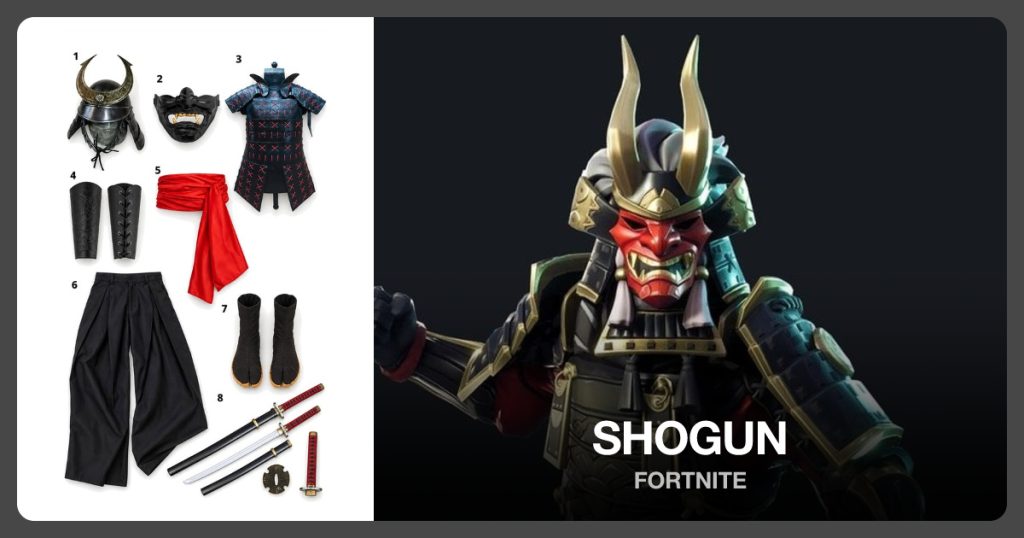
Shogun — Fortnite
Shogun’s horned kabuto helmet, mask and red-and-black layered armor provide the armored samurai direction.What Do You Need for a DIY Samurai Costume?
Choose a wrap-front base
Use a plain white or black martial-arts jacket, keikogi or gi-style top with a wrap front. A uniform set can supply the jacket even if you set aside its matching trousers. The top should close securely at the waist and have enough room across the shoulders to move naturally.
Add pleated hakama trousers
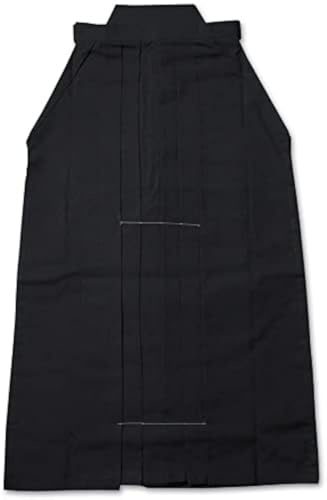
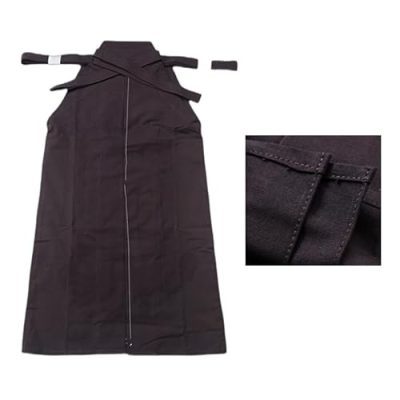
Choose black hakama for the white-and-black, black and layered looks, or navy hakama for the indigo version. Adult martial-arts hakama are the easiest ready-made option because their pleats and waist ties already create the intended shape. Select a length that clears the ground while walking.
Set out the practical accessories
Use a dark obi or soft martial-arts belt, white tabi socks and black flat sandals. Tabi socks work especially well with separated-toe footwear, but plain socks and simple dark sandals can still support the costume if that is what you own. Keep accessories understated rather than adding armor pieces.
Prepare the optional outer layer
For the two layered versions, use an open navy or black haori-style cardigan or light jacket. A relaxed open front gives the right extra vertical layer without hiding the wrap-top shape. Have a mirror nearby for checking the crossed neckline, trouser ties and hem length.
How to Make a Samurai Costume, Step by Step
Start with the clothes, fit the identifying details and check the finished outfit before you leave.
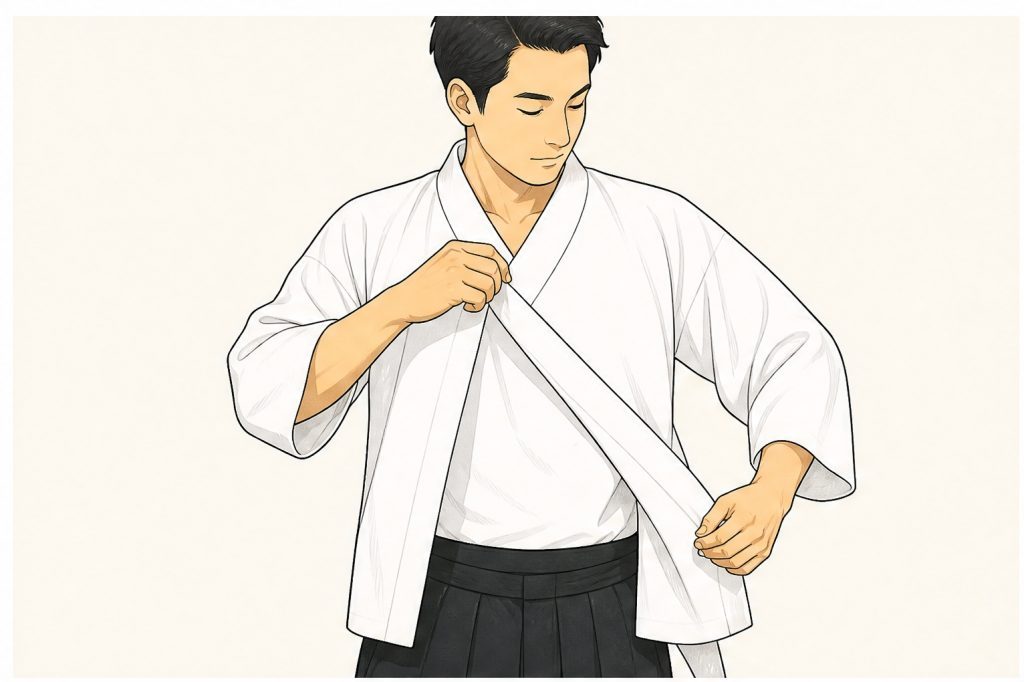
1. Put on wrap-front top with left panel over right
Put on the plain wrap-front top and bring the right panel across your body first. Lay the left panel over it, keeping the neckline neat and centered. Secure the garment with its ties or a dark obi at the waist; this left-over-right arrangement is the costume’s essential wrap direction.
Smooth the fabric across your chest before tightening the sash so the overlap does not bunch or pull open. Keep the obi firm enough to hold the top in place but comfortable enough for sitting. If your top has long belt ends, tie a flat knot or tidy bow at the side or back.
Check: The left panel visibly overlaps the right, the neckline sits flat, and you can lift both arms without the top opening.
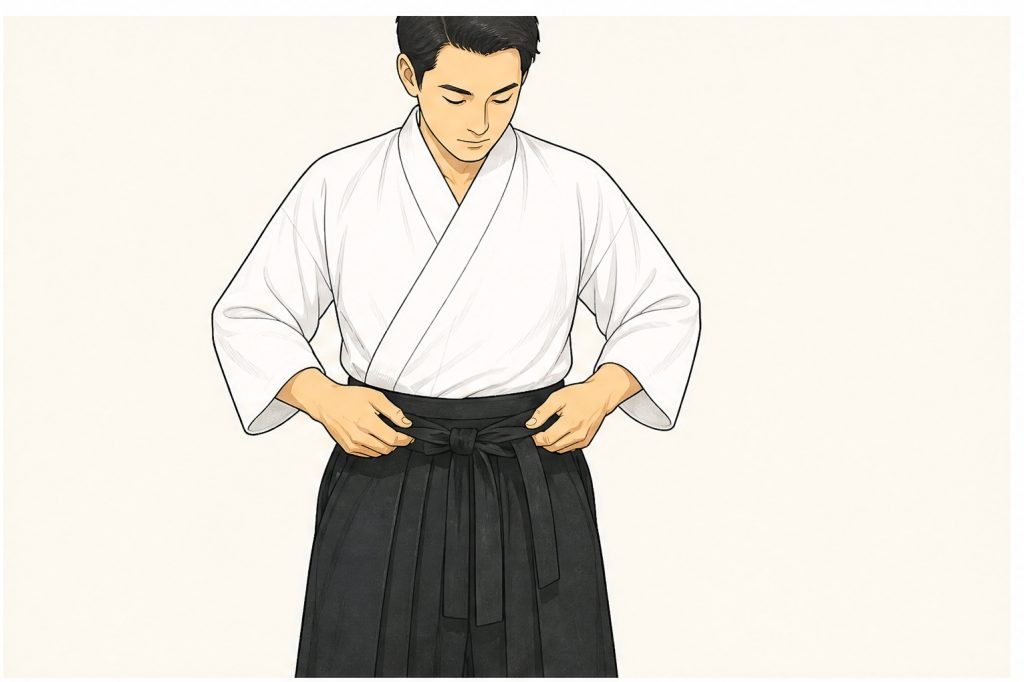
2. Tie hakama trousers at waist
Step into the hakama trousers and raise them to the intended waist position. Follow the garment’s own front and back tie arrangement, bringing the ties around your waist securely and laying the pleats flat. Let the hakama hang cleanly over the legs instead of pulling it tight like slim trousers.
If you are new to hakama, practice the tie once before the event while wearing the same base layer. The video “How to put on and tie a Hakama (Aikido) - 3 ways, very detailed (w/ subtitles)” by Seido - Budo, Kobudo & Japanese Artisanry is a useful optional reference for tying modern martial-arts hakama.
Check: The waistband feels secure, the pleats face forward neatly, and the hem stays above the floor when you walk.
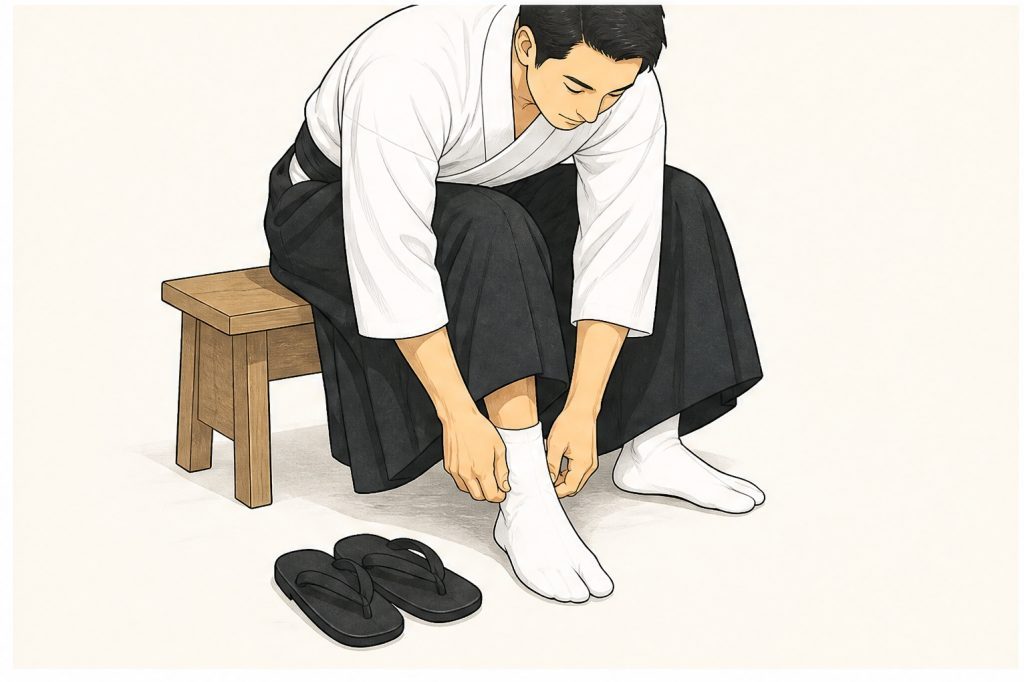
3. Put on tabi socks and flat sandals
Put on white tabi socks, fastening them comfortably if they use rear clasps, then step into simple black flat sandals. Keep the footwear plain and low-profile so the hakama remains the main lower-body shape. No weapons, armor or extra props are needed to make the costume recognizable.
Walk a short distance on the surface where you will wear the costume. If the sandals slide, choose a better-fitting pair or wear secure flat shoes you already own. The costume works best when you can walk normally rather than taking tiny steps to protect the hems.
Check: Your socks are smooth, your footwear stays on securely, and the hakama does not catch under your heels.
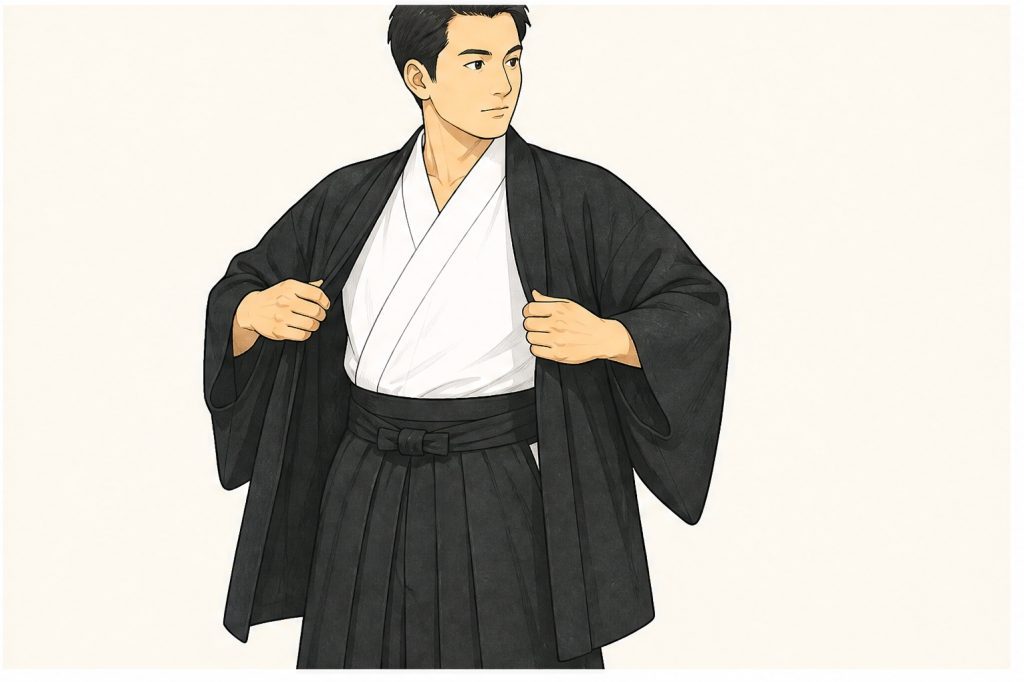
4. Add open haori jacket
For the indigo or layered version, place an open haori-style jacket over the wrapped top after the hakama is tied. Leave it open so the crossed neckline and obi remain visible. Skip this step for the simpler white-and-black or all-black looks; the outer jacket is an option, not a required layer.
Choose navy over the white top and navy hakama for a tonal indigo variation, or choose black over the white top and black hakama for stronger contrast. A lightweight cardigan may look less structured than a traditional haori, but it remains a useful everyday costume substitute when the color and open shape are right.
Check: The jacket hangs open without covering the obi, and its sleeves and hem do not interfere with your hands or walking.
Samurai Hair, Comfort & Finishing Touches
Keep the finish neat, low-key and practical. This costume is carried by the clean wrap, hakama pleats and restrained color palette, so there is no need for theatrical armor, elaborate face paint or a ceremonial routine. Aim for hair that stays comfortable and a composed everyday posture.
Choose neat, simple hair
Wear short hair as you normally do, or secure longer hair in a low ponytail, low bun or simple tied-back style. A solid black fabric headband can keep hair away from the face if needed. Do not invent a ritual hairstyle; the outfit reads through its clothing silhouette rather than elaborate hair construction.
Keep makeup understated
Everyday makeup, a bare face or a light natural finish all work. Avoid face paint, fake battle marks or exaggerated scars unless you are intentionally building a separate fictional character costume. Clean lines at the collar, a tidy sash and balanced black, white or indigo layers make a stronger visual impression.
Use the hakama tutorial as a fitting aid
Seido - Budo, Kobudo & Japanese Artisanry’s hakama video is helpful for understanding how martial-arts trouser ties sit and how the pleats should hang. Use the version of the tying method that suits your garment. It is a practical dressing reference for this costume, not a historical reenactment lesson.
Four Samurai Outfit Ideas
Choose one starting point and reuse the clothes you already have. Each card keeps its suggested shopping pieces together; photo styling and the linked alternatives may differ.
White and Black Samurai
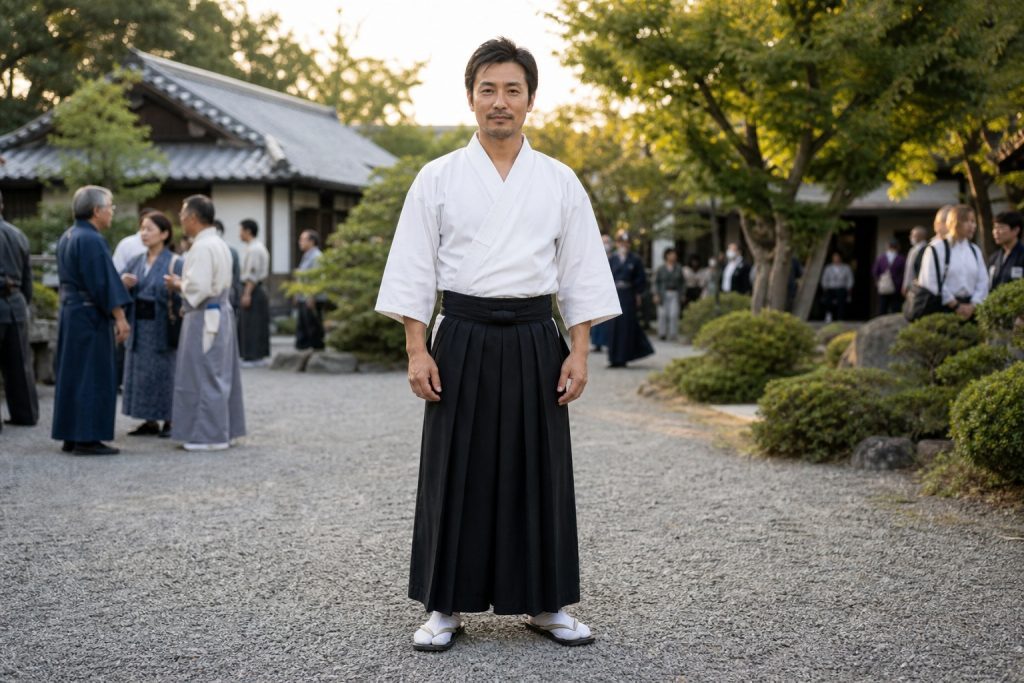
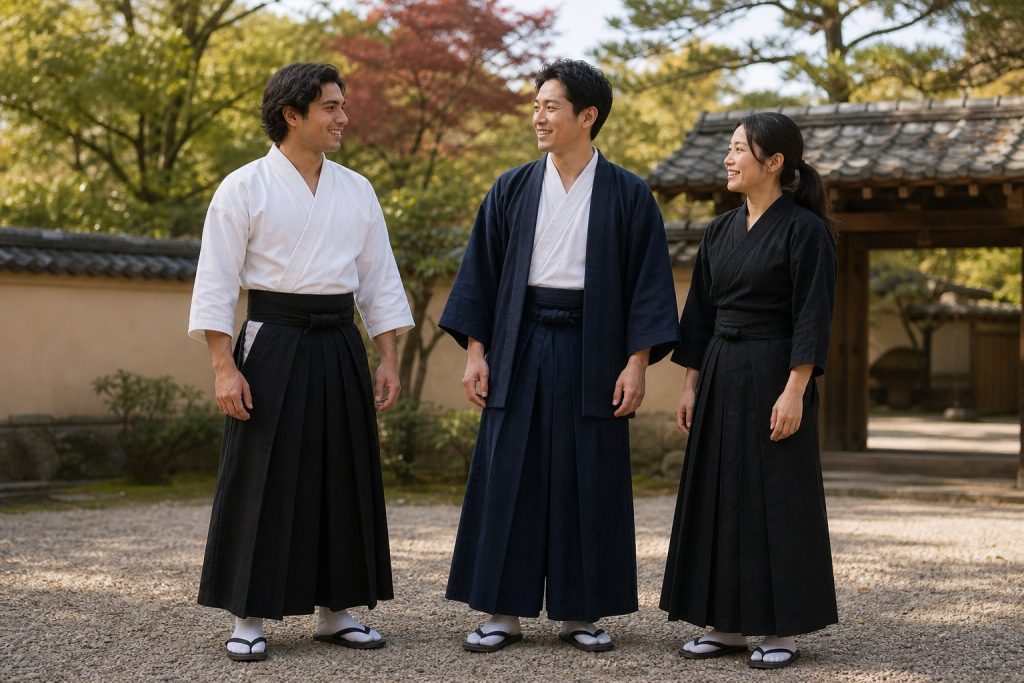
Wear a plain white wrap-front keikogi-style top crossed left over right with black pleated hakama trousers and a dark obi sash. Add white tabi socks and black flat sandals. This high-contrast adult man’s look is the clearest everyday martial-arts silhouette; keep it free of armor and weapons so the neat layers remain the focus.
Shop This Outfit
Amazon · Items sold separately
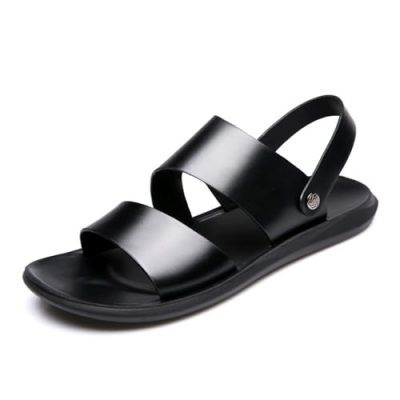 Black Men’s Flat Sandals
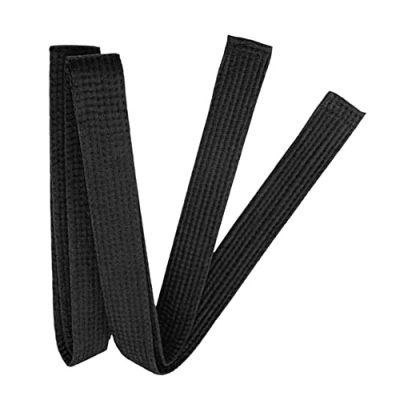 Black Martial Arts Belt
Indigo Samurai
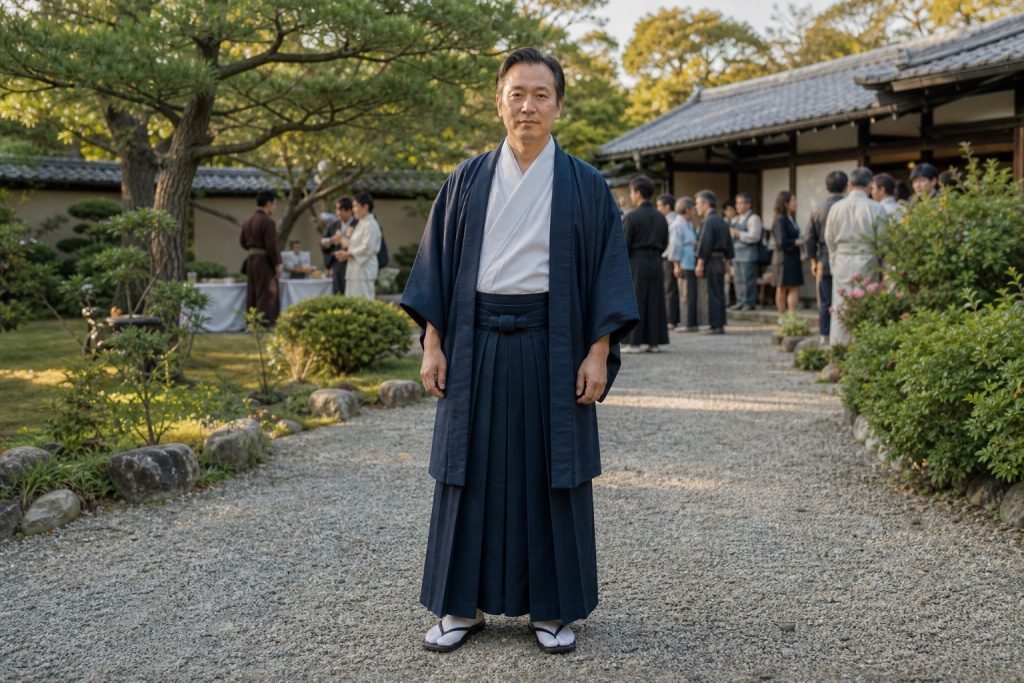
Pair a plain white wrap-front top, crossed left over right, with navy pleated hakama trousers and an open navy haori-style jacket. Finish with a dark obi, white tabi socks and black flat sandals. This adult man’s outfit uses calm tonal layering rather than armor, with the white crossed collar keeping the costume readable beneath the jacket.
Shop This Outfit
Amazon · Items sold separately
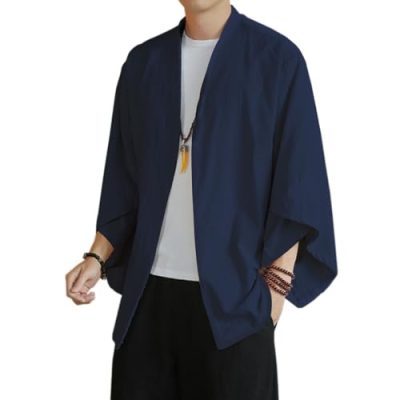 Navy Linen Haori Jacket
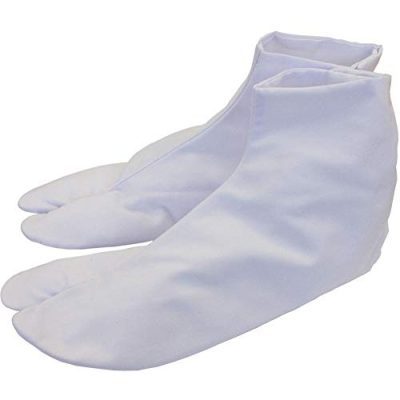 White Adult Tabi Socks
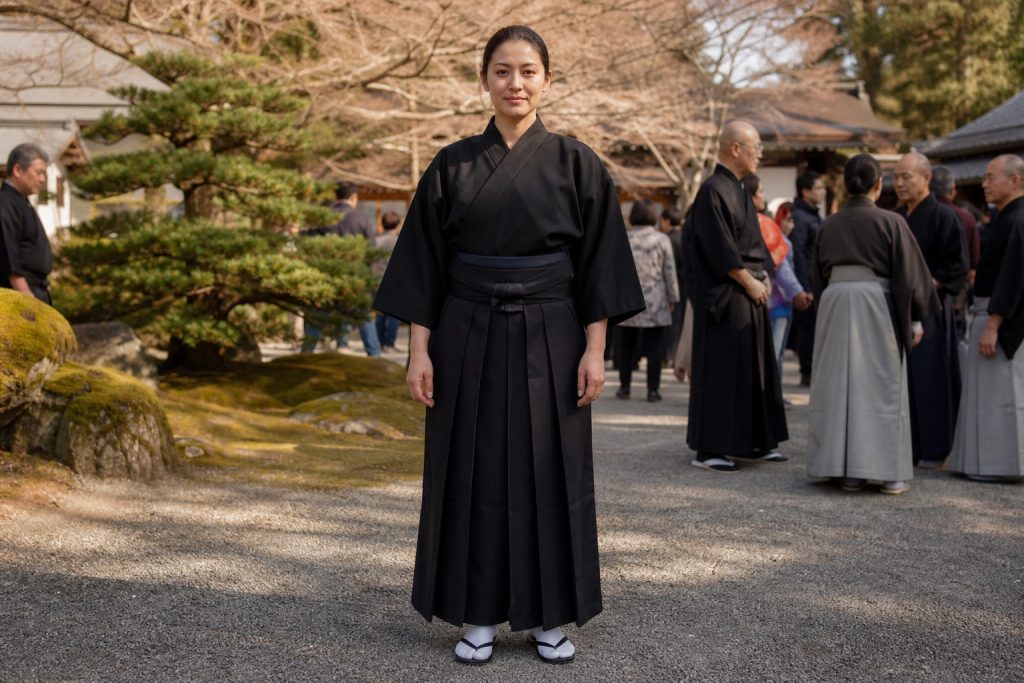
Black Samurai Look
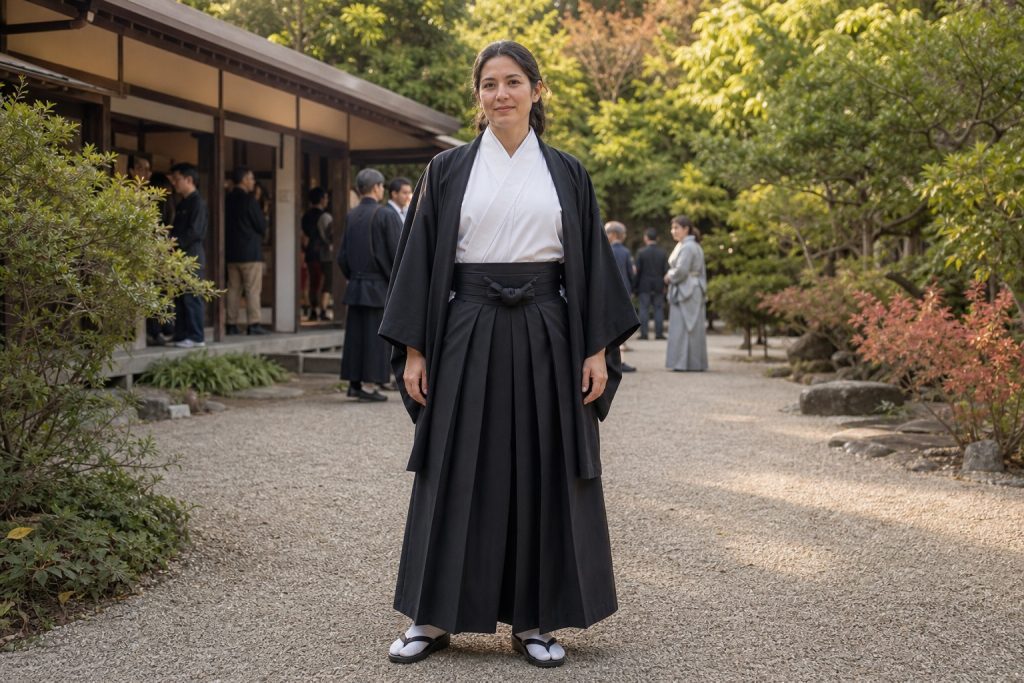
Build this adult woman’s version from a black wrap-front top crossed left over right, black pleated hakama trousers and a dark obi. White tabi socks create a useful small contrast above black flat sandals. The all-black clothing looks deliberate when the pleats and crossed collar stay visible, so avoid covering them with bulky accessories.
Shop This Outfit
Amazon · Items sold separately
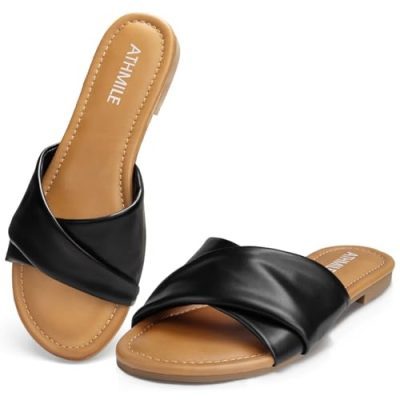 Black Women’s Flat Sandals
Layered Samurai Look
Start with a plain white wrap-front top crossed left over right, black pleated hakama trousers and a dark obi, then add an open black haori-style jacket. White tabi socks and black flat sandals finish this adult woman’s layered version. The white neckline and socks prevent the black layers from blending into one indistinct shape.
Shop This Outfit
Amazon · Items sold separately
 Black Kimono Cardigan
Ready-Made Samurai Options
These are starting pieces, not complete outfits. Check the selected size, color and package contents, then add only the details your chosen look needs.
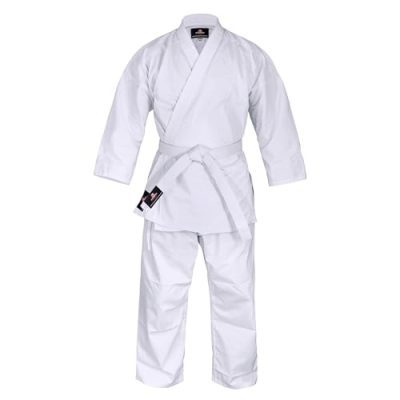
White Martial Arts Uniform
White wrap-front jacket comes in a martial-arts uniform set. Use its jacket as a modern costume substitute with separately listed hakama.
See on Amazon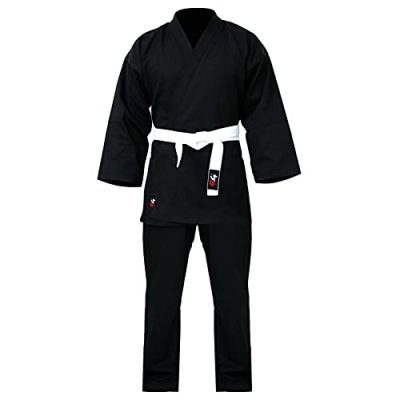
Black Martial Arts Uniform
Set includes a wrap-front jacket, trousers and belt; use its jacket with separately listed hakama.
See on AmazonQuick Fixes for Your Samurai Costume
The wrap keeps opening
Check that the right panel goes on first and the left panel lies over it before you tie the obi. Tighten the sash gradually while smoothing the chest fabric flat. If the top has internal ties, use them before adding the outer belt.
The hakama looks messy
Untwist the waist ties and straighten the front pleats before securing the back ties. Do not pull the legs tight or tuck the fabric into the belt. A quick mirror check from the front and side usually reveals whether the pleats need to be smoothed down.
The layers feel too warm
Choose the simple white-and-black or black version and leave off the haori-style outer jacket. Lightweight martial-arts fabric and a single dark sash are usually more comfortable indoors than multiple heavy layers. The costume remains recognizable without the extra jacket.
The outfit feels too generic
Improve the silhouette before adding extras: make the left-over-right wrap visible, use pleated hakama rather than ordinary trousers when possible, and add white tabi socks. Those three details communicate the intended modern martial-arts inspiration more clearly than armor, masks or oversized accessories.
How to Act Like a Samurai
Use a composed posture and simple poses that show the pleated hakama and layered clothing.
Stand with quiet confidence
Stand upright with your shoulders relaxed and your feet comfortably apart. Let the hakama pleats hang straight.
Turn to show the layers
Angle your body slightly so the crossed neckline and open jacket are visible. Keep your hands relaxed at your sides.
Take a measured step
For a walking photo, take a small natural step and look ahead. The loose fabric provides movement without an exaggerated pose.
Samurai-Inspired Pairs & Groups
Coordinate a group through color and silhouette rather than matching every garment. Everyone can use their own comfortable clothes and adapt the same wrap-top, hakama and dark-sash idea. The four outfit cards are starting points, not fixed gender rules, so people can choose the version that fits their wardrobe and comfort.
Black and white pair
Pair the White and Black Samurai look with the Black Samurai Look for a clear matched contrast. Repeat the white socks and dark sashes across both outfits, while one person wears a white top and the other wears black. The shared hakama silhouette connects the pair without identical clothing.
Indigo layered pair
Use the Indigo Samurai and Layered Samurai Look together when two people want outer layers. One navy haori-style jacket and one black haori-style jacket create a coordinated but distinct palette. Keep both jackets open so the white crossed top and obi remain visible.
Modern martial-arts group
Give each person one of the four color arrangements, then keep the same practical rules: left-over-right wrap, pleated lower half, dark waist sash and simple footwear. Repeat a shared sash color; anyone choosing an armored character can keep that character’s defining helmet and armor.

Samurai Costume Tips & FAQs
What makes this costume read as samurai-inspired?
The clearest combination is a left-over-right wrap-front top, pleated hakama trousers, a dark obi and simple socks with flat footwear. Those visible clothing shapes are more effective than adding armor or weapons. A haori-style outer layer gives an optional dressed-up variation.
Do I need authentic historical clothing?
No. This guide intentionally uses modern martial-arts garments and everyday haori-style layers as practical costume substitutes. A keikogi-style top is not presented as a historical kosode, and the finished outfit is a costume silhouette rather than a claim of historical accuracy.
Can I use clothes I already own?
Yes. Start with a wrap-front martial-arts jacket if you have one, then add loose dark trousers, a belt or sash, plain socks and flat shoes. Hakama makes the silhouette stronger, but a comfortable existing base can still support a simplified version for a casual event.
How should the wrap-front top close?
Place the right panel against your body first, then bring the left panel over it. Secure the overlap with the garment’s ties and a dark obi or belt. Check the neckline after tying so it stays centered and does not gap when you raise your arms.
Are tabi socks and sandals comfortable for a party?
They can be, provided both fit securely and you have tested them while walking. White tabi socks are a helpful visual detail, but comfort comes first. If sandals are slippery or unsuitable for the venue, wear stable simple dark flats or shoes that let you move confidently.
What should I avoid adding?
Skip armor, weapons, fake battle damage and unrelated fantasy pieces if you want the clean everyday martial-arts look described here. Avoid exaggerated bowing, invented rituals and theatrical sword poses as well. A neat crossed top, hakama and calm styling are enough to establish the costume.
About Samurai Costumes
A samurai-inspired costume is most effective when it uses a few readable garments well. The wrap-front top, hakama and obi create a strong vertical silhouette that works in black, white and indigo, while simple footwear keeps it suitable for an everyday costume event. It does not need armor or weapon props to communicate its direction. Modern martial-arts clothing is useful because it is designed for movement and already includes practical closures, waist ties and durable fabric. The result is easier to wear than a complicated period costume, and it can be adjusted for temperature by adding or removing the open haori-style layer. The approach also keeps the clothes reusable. A martial-arts jacket, hakama, belt, socks and plain sandals can be worn again for training, themed events or other costume ideas, while the no-sew styling makes last-minute preparation manageable.
Use respectful, specific language
Call the pieces by practical names that match what they are: keikogi-style wrap top, hakama trousers, obi sash and haori-style jacket. This makes clear that the guide is using accessible modern garments rather than claiming that every item is a historical original.
Prioritize fit over extra accessories
A well-tied waist, tidy collar and hem that clears the floor matter more than piling on decorative items. Try the full outfit while sitting, walking and reaching overhead. If one layer gets in the way, remove it rather than forcing the costume to look more elaborate.
Make the Samurai Costume Yours
Choose one of the four color combinations, cross the top left over right, tie the hakama securely and keep the final layers simple. Once the pleats hang cleanly, the footwear feels stable and the obi stays in place, you have a comfortable modern samurai-inspired costume ready for the event.