





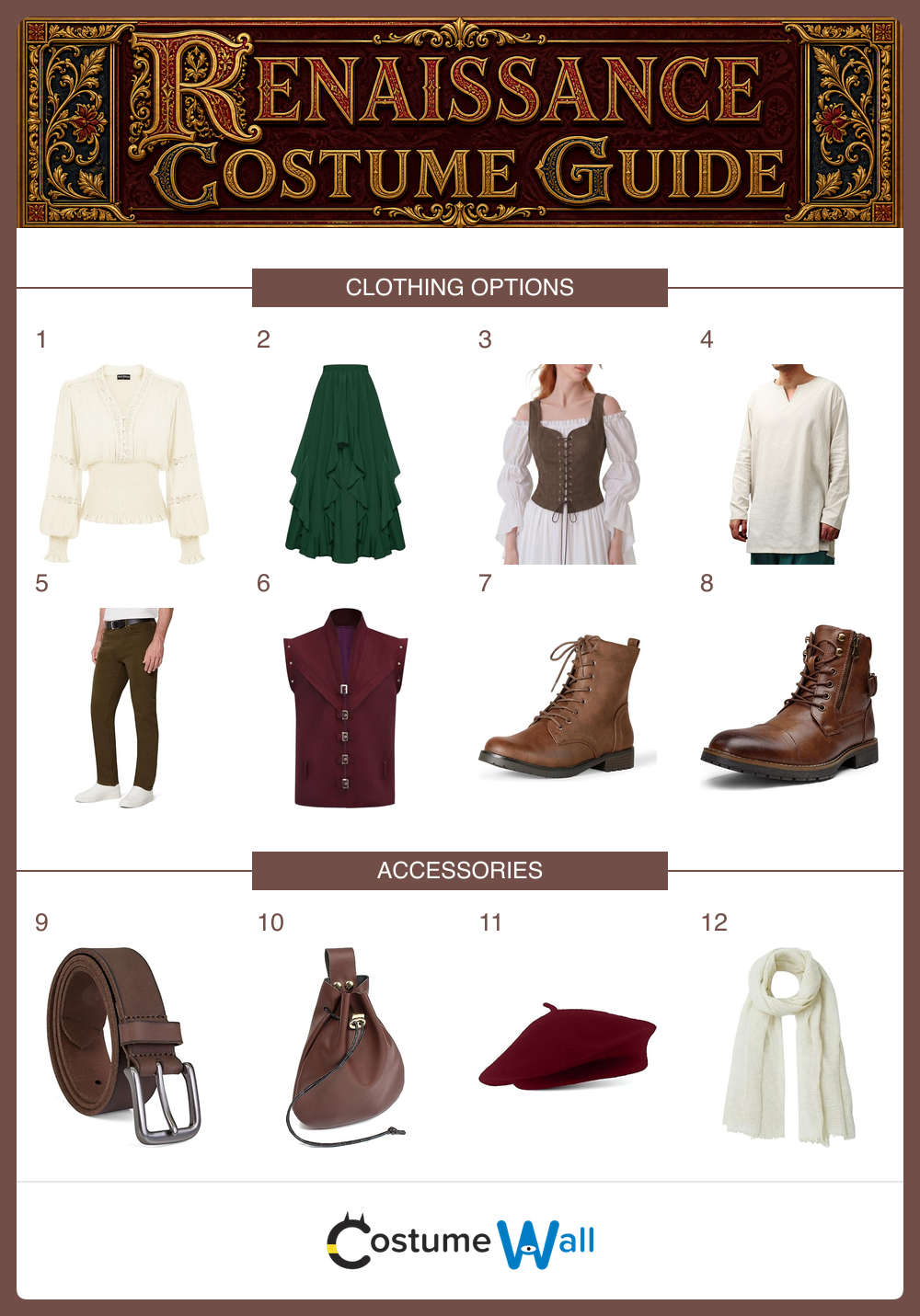
Essential Renaissance Items
Clothing Options
Choose one base outfit; these pieces are alternatives.
- Cream Long Sleeve Peasant BlouseSee on Amazon
- Forest Green Renaissance Maxi SkirtSee on Amazon
- Dark Brown Lace-Up VestSee on Amazon
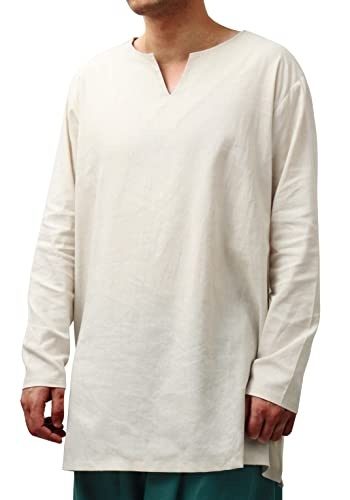
- Ivory Medieval Linen TunicSee on Amazon
- Dark Brown Five-Pocket PantsSee on Amazon
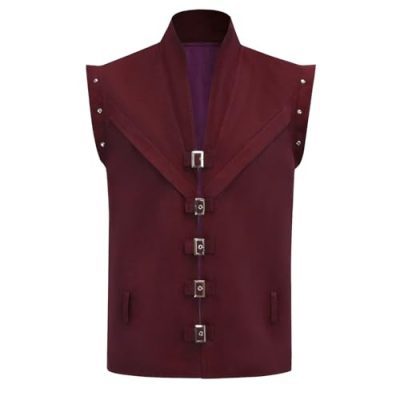
- Burgundy Renaissance Prince VestSee on Amazon
- Brown Lace-Up Combat BootsSee on Amazon
- Dark Brown Combat BootsSee on Amazon
Accessories
Choose the details that suit your version; you do not need every accessory.
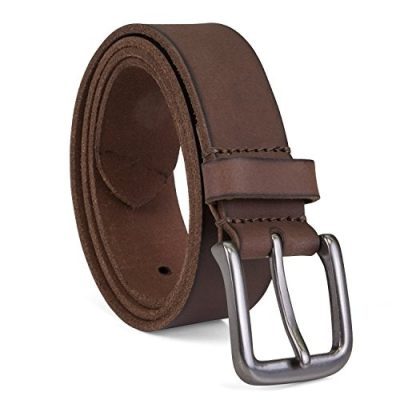
- Dark Brown Leather BeltSee on Amazon
- Brown Leather Belt PouchSee on Amazon
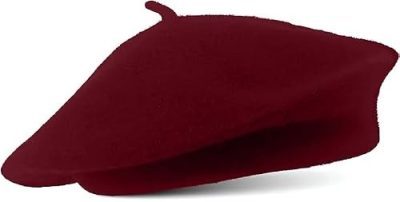
- Burgundy Wool French BeretSee on Amazon
- Cream Cotton Linen ScarfSee on Amazon
How to Dress Like a Renaissance
This is a practical Renaissance-faire guide, not a reconstruction of a particular period, region, class or profession. The strongest visual shorthand is a relaxed cream underlayer paired with green, brown or burgundy, then finished with a waist-defining belt, boots and one or two soft accessories. Loose layers also make the costume much easier to wear during a full day outdoors.
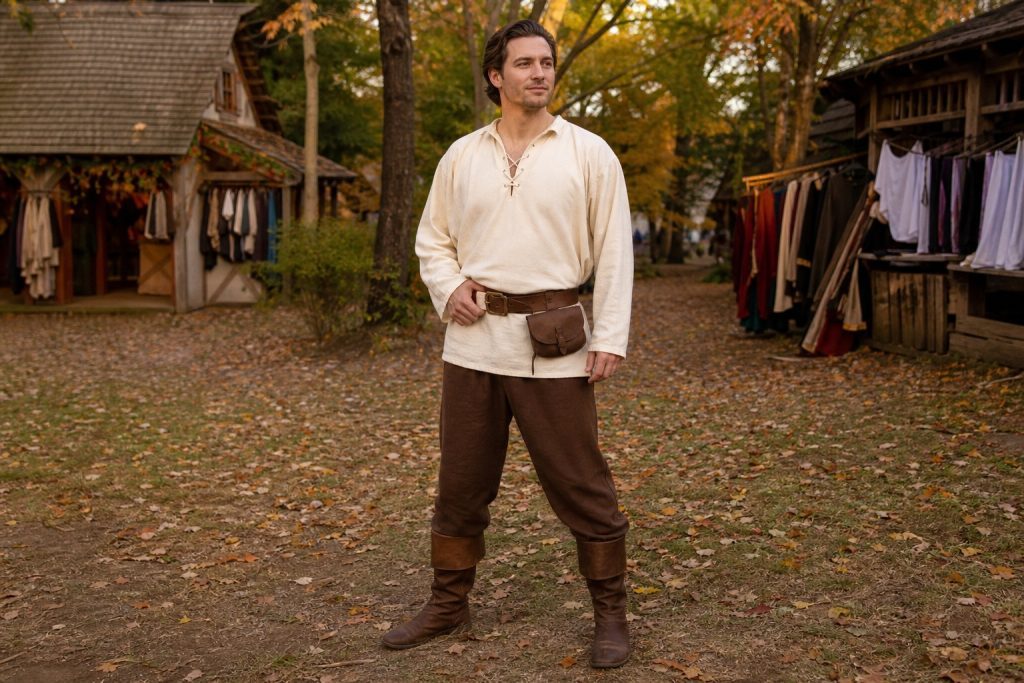
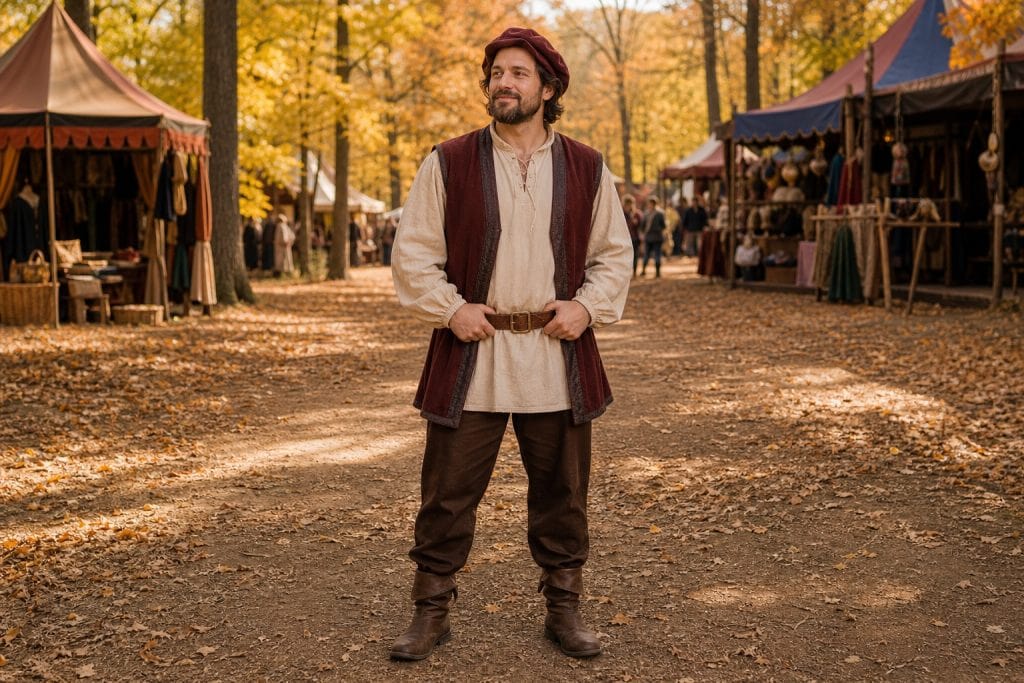
Start by choosing one complete outfit direction rather than piling every available piece together. A peasant blouse and full skirt creates an easy flowing silhouette; a long tunic over brown trousers feels simple and versatile; a burgundy waistcoat adds color without turning the outfit into formal dress. The cream tunic option may be labelled ivory, which reads naturally alongside cream and other warm neutrals.
Treat the suggested clothing as useful alternatives when your wardrobe has a gap, not as a required order. Choose your own correct fit, reuse compatible trousers, skirts, boots and belts, and prioritize comfortable movement. The steps are entirely no-sew: put on the base layers, adjust the vest if you are wearing one, add boots, then secure the belt and pouch.
Assembly timeAbout 10–15 minutes*
BudgetReuse or shop individual pieces
Works asSolo, duo or group
DIY levelEasy · no sewing required
*Estimated dressing and simple styling time once you have the pieces. Allow extra time for homemade details; cost depends on what you already own.
Renaissance-Era Costume Inspirations
Try the dress and veil of a Renaissance portrait, or the stylized 16th-century clothing of The Road to El Dorado. These guides follow their particular artwork and film designs.
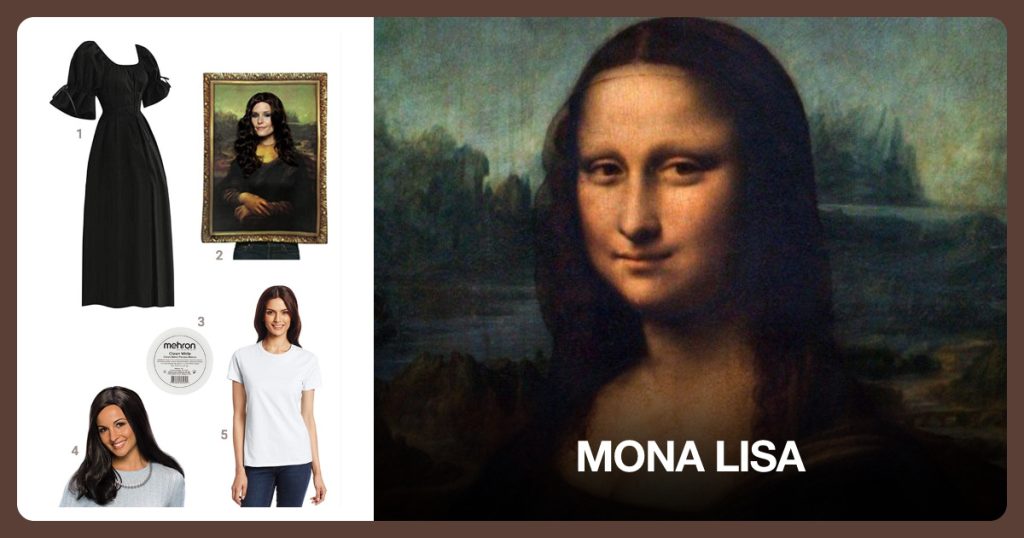
Mona Lisa
A dark period-style dress, black veil and long brown hair recreate Leonardo’s Renaissance portrait. The guide also offers a wearable painting-frame option.
Tulio
Tulio’s blue shirt, brown vest, cropped green trousers and ponytail follow the animated adventurer from 16th-century Spain.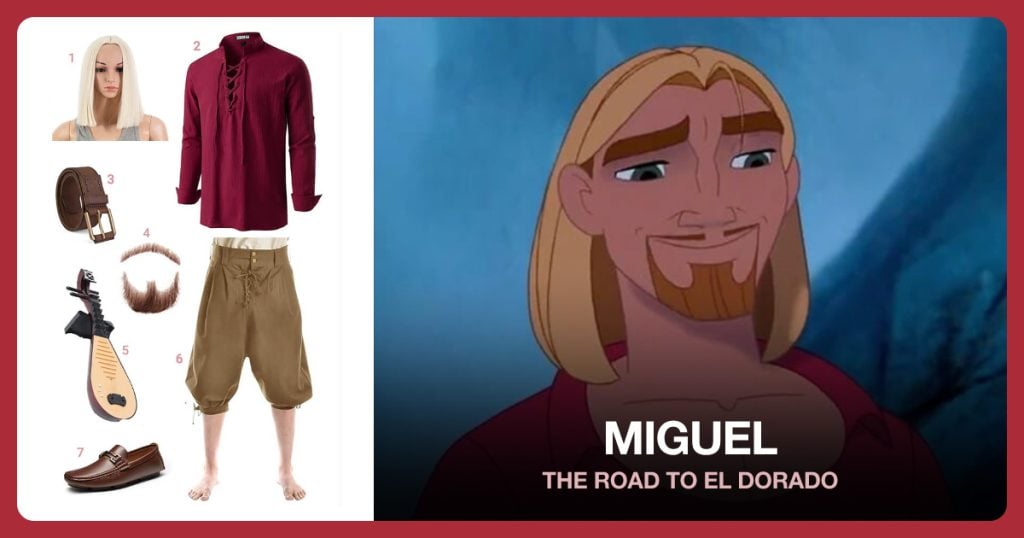
Miguel
A burgundy lace-up shirt, brown trousers, blonde hair and lute give Miguel his recognizable Road to El Dorado look.What Do You Need for a DIY Renaissance Costume?
Choose a breathable cream base
Set out a cream long-sleeved peasant blouse for a skirt look, or an ivory-to-cream long tunic for a trouser look. A loose cotton, linen or linen-look layer is especially practical in warm weather. If your existing shirt has a simple neckline and roomy sleeves, it can do the same visual job.
Add one lower layer
Use a forest-green maxi skirt for a flowing faire silhouette, or dark brown trousers for the tunic and waistcoat versions. Modern five-pocket trousers are acceptable in this broad costume approach when mostly covered by a longer tunic. Pick a length that lets you walk freely without catching the hem under your boots.
Choose one defining layer
A dark brown lace-up vest shapes the blouse-and-skirt outfit, while a burgundy waistcoat gives the tunic-and-trouser outfit a richer focal point. The relaxed skirt version intentionally uses no bodice. Lace any vest for comfort rather than pulling it tight; the aim is a layered faire look, not a restrictive fit.
Gather practical finishing pieces
Use brown boots, a dark brown belt and a small belt pouch where they suit the outfit. A burgundy soft beret or a cream cotton-linen scarf can be an optional finishing touch. Check that the belt can hold the pouch securely, and use your own comfortable footwear if it fits the palette.
How to Make a Renaissance Costume, Step by Step
Start with the clothes, fit the identifying details and check the finished outfit before you leave.
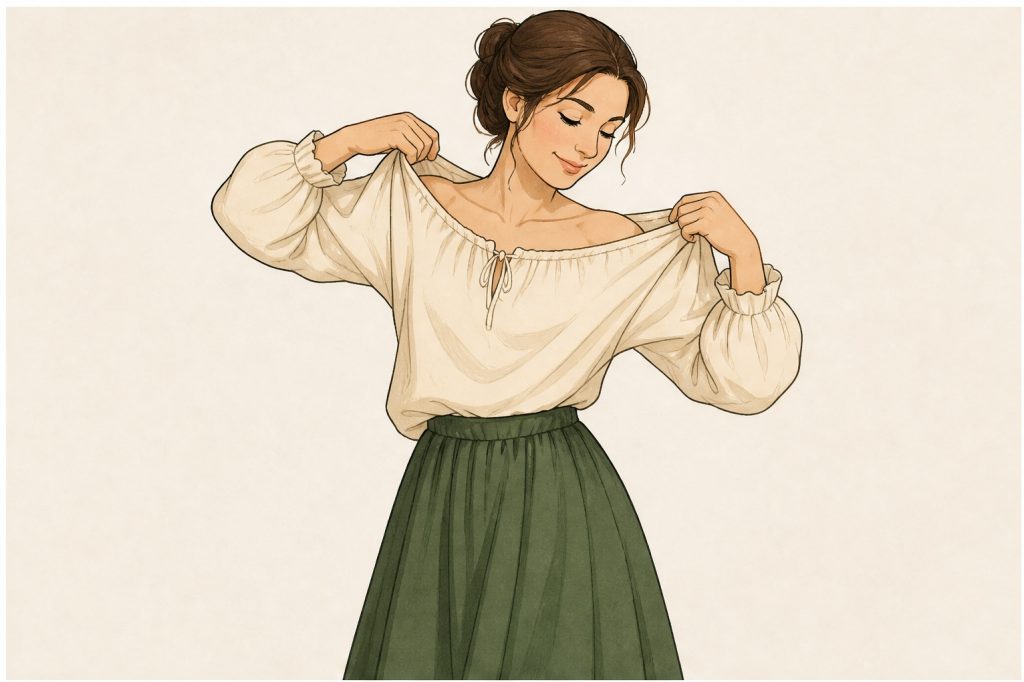
1. Put on cream blouse and green skirt
Begin with the cream blouse and green maxi skirt for the skirt-based faire look. Let the blouse sleeves stay loose at the wrists or lightly push them up if the fabric holds comfortably. Pull the skirt to a comfortable waist position and smooth the blouse hem so it does not bunch heavily underneath.
For a tunic-based variation, use the same layering principle: put the cream or ivory tunic over brown trousers and make sure the tunic hangs freely over the waistband. The listed ivory shade is close enough to cream to blend with this palette. Keep underlayers breathable and easy to remove if the weather changes.
Check: You should be able to sit, bend and take a long stride without the blouse, skirt or tunic pulling.
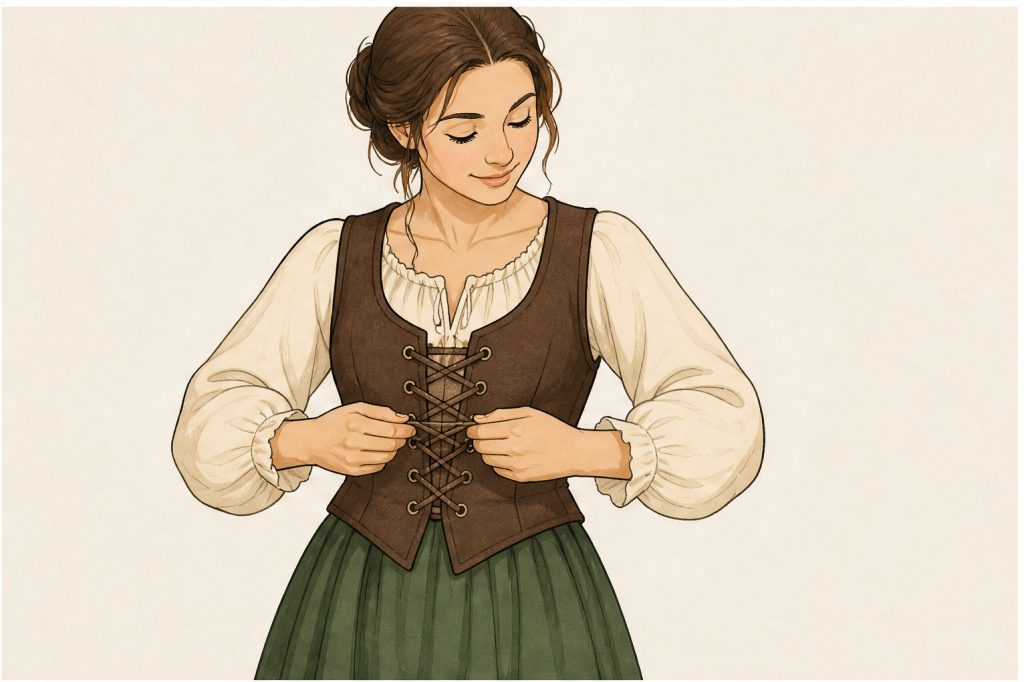
2. Lace brown vest comfortably over blouse
If you are making the Faire Skirt Look, place the brown lace-up vest over the cream blouse and loosen the lacing before fastening it. Center the front opening, then tighten only until the vest lies flat and feels secure. Skip this step completely for the Relaxed Skirt Look, which has no bodice.
A vest is a visible style layer rather than a test of how tightly you can lace it. Leave enough space to breathe, eat and raise your arms. If the blouse gathers at the waist, gently pull a little fabric upward before lacing so the vest does not trap an uncomfortable fold beneath it.
Check: The vest sits evenly over the blouse, and you can take a full breath and lift both arms comfortably.
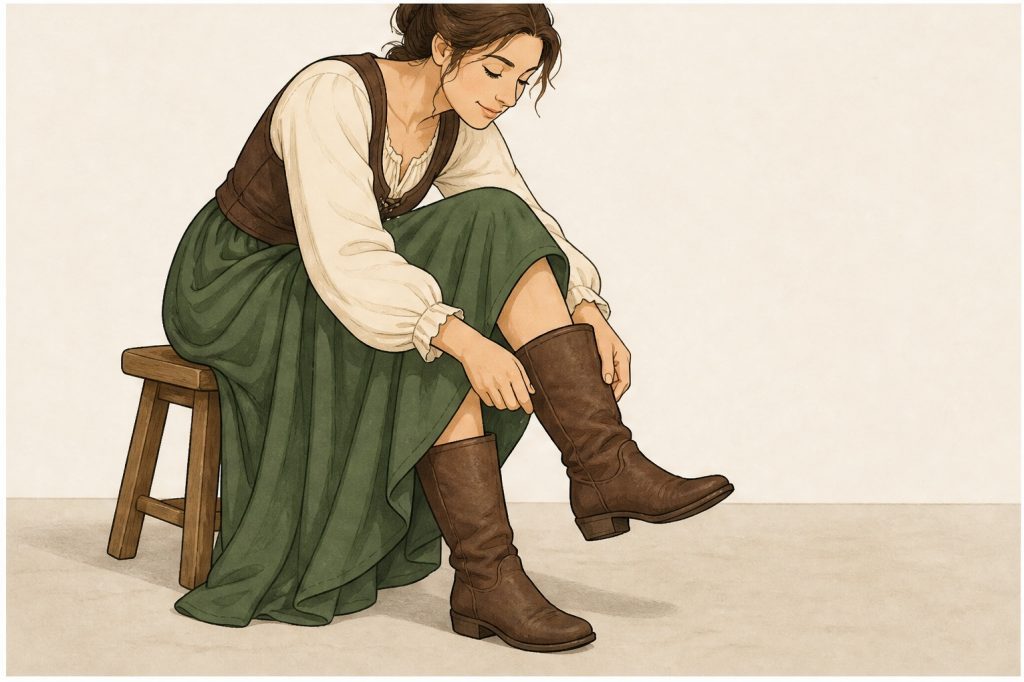
3. Put on brown boots
Put on your brown boots after the skirt, trousers and any vest are in place. Tuck trouser hems neatly into or behind taller boot tops only if that is comfortable; otherwise let them fall naturally. With a skirt, make sure the hem clears the boot soles when you walk rather than dragging at the back.
Combat-style ankle boots are a practical modern alternative for a faire because they provide a stable, earthy finish and are easier to walk in than decorative costume shoes. Break in unfamiliar boots before a long event, or choose a pair you already know is comfortable for standing and uneven paths.
Check: Walk several steps and check that no hem catches under a heel, boot tongue or sole.
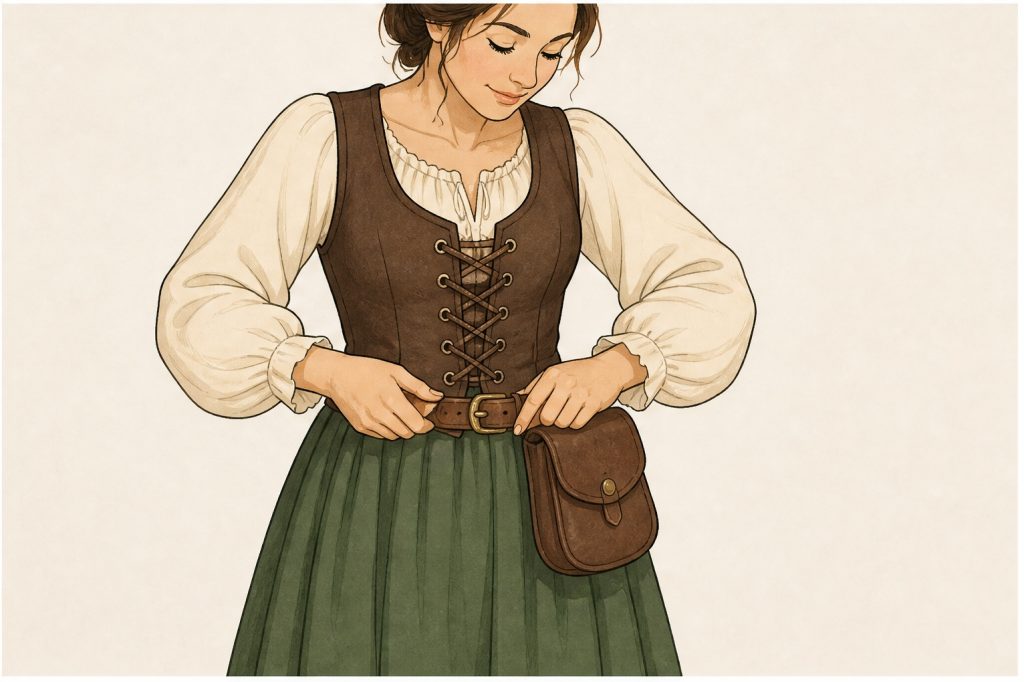
4. Fasten belt and pouch
Fasten a brown belt over the outside of the skirt, tunic or vest layer, wherever it feels most secure and visually balanced. Slide a small brown pouch onto the belt if you want a hands-free place for essentials. On the Relaxed Skirt Look, the belt provides definition without adding a bodice.
Keep the pouch light enough that it does not pull the belt downward or twist the skirt waistband. Place it slightly to one side instead of directly at the center front. If you use an ordinary buckle belt, it remains a practical no-sew option; a longer costume belt can be tied as an optional flourish.
Check: The belt stays level as you move, the pouch is accessible, and no hard buckle or pouch edge digs in when sitting.
Renaissance Faire Layering, Belts & Finishing Touches
The finish should support an easy, broad faire impression: soft texture, practical accessories and a little color contrast. Keep the layers loose enough for ordinary movement, then use one headwear or neck detail instead of adding every possible accessory.
Use the belt as the visual anchor
Place a brown belt over the outermost comfortable layer so it breaks up the cream-and-green or cream-and-brown shape. The included Museum Replicas video, “How To Tie A Medieval Belt,” shows a long-belt knot that works nicely with the tunic-and-pouch version. It is optional: use it with a long costume belt, or keep a regular buckle belt for the easiest no-sew outfit.
Choose one soft head or neck detail
A burgundy soft beret gives the waistcoat look a warm color echo, while a cream cotton-linen scarf can be loosely draped or lightly tied at the neck for the relaxed skirt look. The scarf is a cotton-linen blend, so think of it as a breathable lightweight wrap rather than a heavy cold-weather layer. Do not wear both unless you need the extra warmth.
Keep the silhouette loose and useful
Let the blouse or tunic remain the roomy underlayer, and avoid tightening every element at once. A fitted vest plus a loose skirt is enough contrast; a long tunic plus trousers needs only a belt and boots. If the outfit begins to feel bulky, remove one accessory rather than adding more.
Repeat colors across the outfit
Use cream for the soft base, green for the skirt, brown for leather-like details and burgundy as an optional accent. This limited palette makes everyday pieces read together quickly at a faire. A small pouch, belt, boot color or beret can repeat brown or burgundy without requiring matching fabrics.
Four Renaissance Outfit Ideas
Choose one starting point and reuse the clothes you already have. Each card keeps its suggested shopping pieces together; photo styling and the linked alternatives may differ.
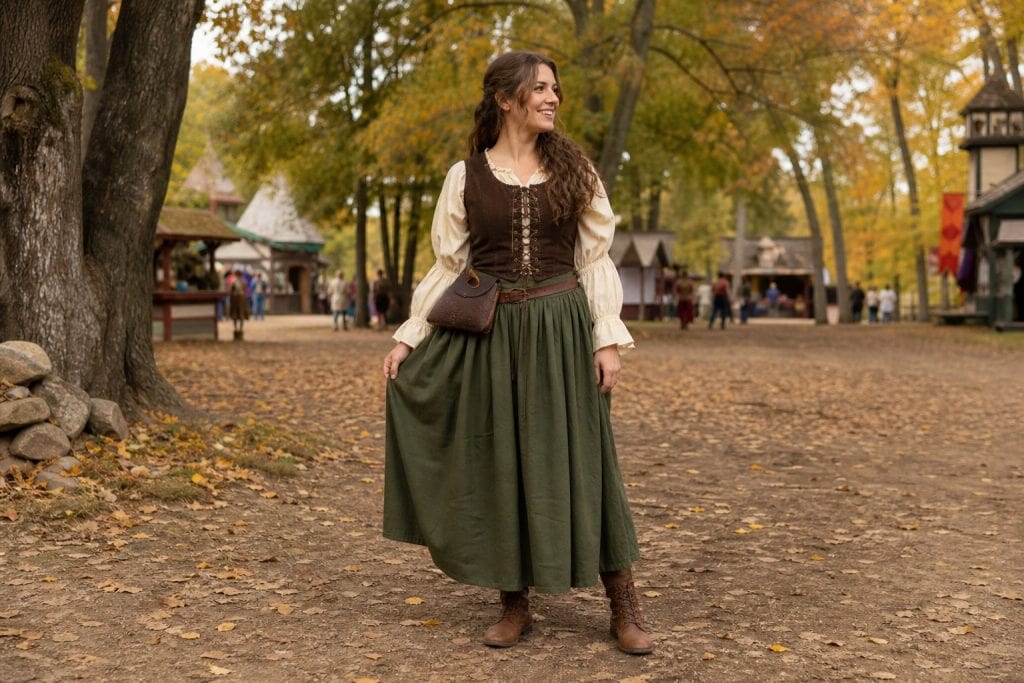
Faire Skirt Look
Wear a cream long-sleeved peasant blouse with a brown lace-up vest, green maxi skirt, brown boots and a brown belt pouch. Keep the blouse and skirt loose, then lace the vest comfortably rather than tightly. The belt pouch makes the outfit practical for a faire while the green skirt supplies the clearest flowing costume shape.
Shop This Outfit
Amazon · Items sold separately
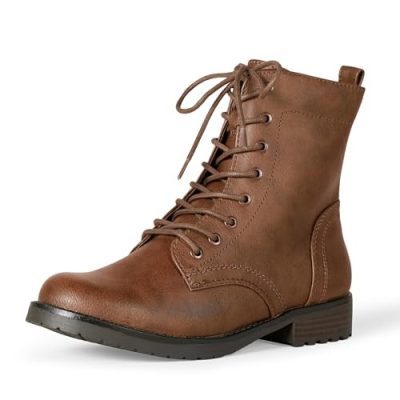 Brown Lace-Up Combat Boots
Tunic Faire Look
Layer a cream tunic over brown trousers with brown boots, a brown belt and a small brown pouch. The long tunic softens the modern trouser shape and keeps the look simple enough for repeat wear. An ivory tunic works well beside cream accessories, and the belt provides a clear waistline without needing extra costume layers.
Shop This Outfit
Amazon · Items sold separately
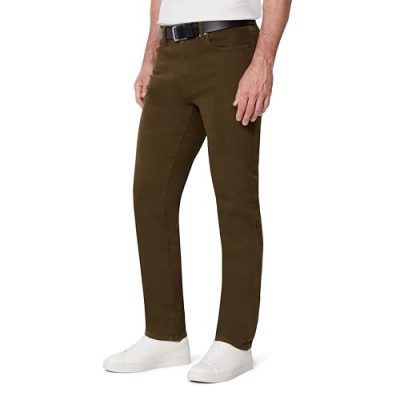 Dark Brown Five-Pocket Pants
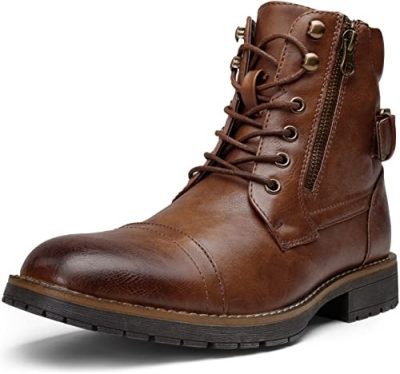 Dark Brown Combat Boots
 Dark Brown Leather Belt
Burgundy Waistcoat Look
Start with a cream tunic, brown trousers and brown boots, then add a burgundy vest, brown belt and burgundy soft beret. The burgundy pieces create a coordinated accent while the tunic remains the loose practical base. Keep the waistcoat comfortably fitted and let the beret sit softly rather than trying to make the outfit formal.
Shop This Outfit
Amazon · Items sold separately
 Burgundy Renaissance Prince Vest
 Burgundy Wool French Beret
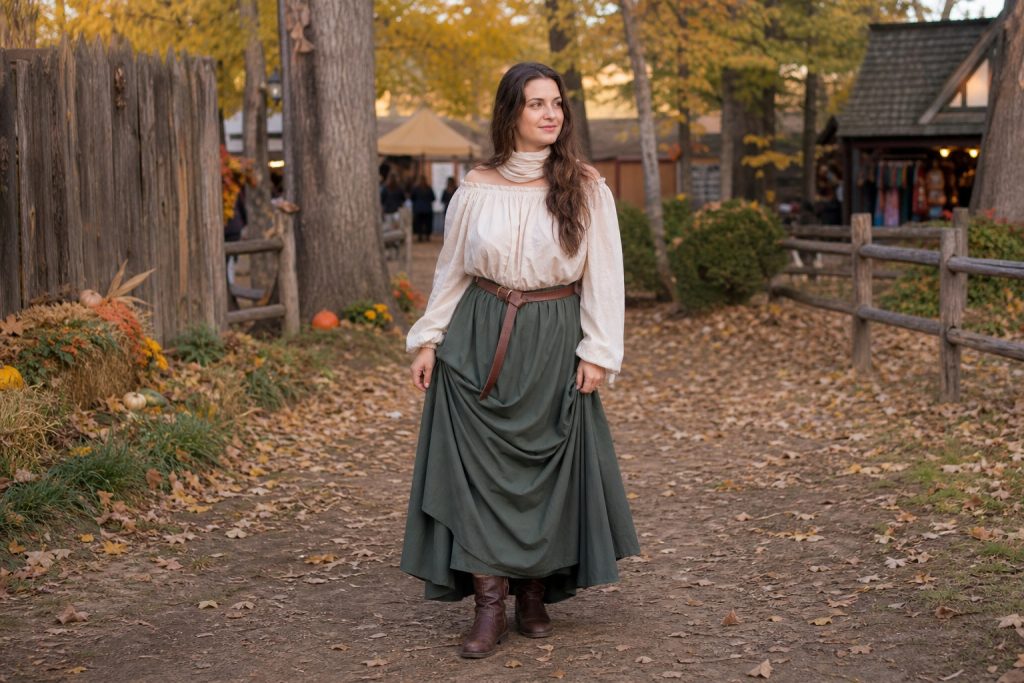
Relaxed Skirt Look
Pair a cream peasant blouse with a green maxi skirt, brown boots, a cream cotton neck scarf and a brown belt, with no bodice. This is the lightest skirt option and leaves the blouse visible as the main upper layer. Drape the scarf loosely, then use the belt to give the flowing layers a clear, practical shape.
Shop This Outfit
Amazon · Items sold separately
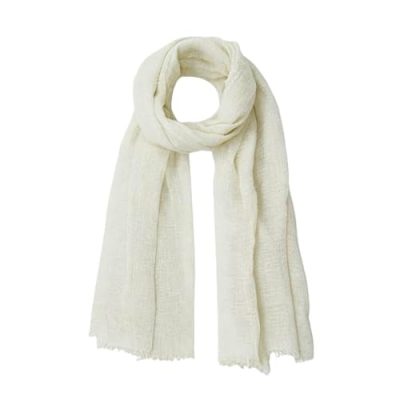 Cream Cotton Linen Scarf
Ready-Made Renaissance Options
These are starting pieces, not complete outfits. Check the selected size, color and package contents, then add only the details your chosen look needs.
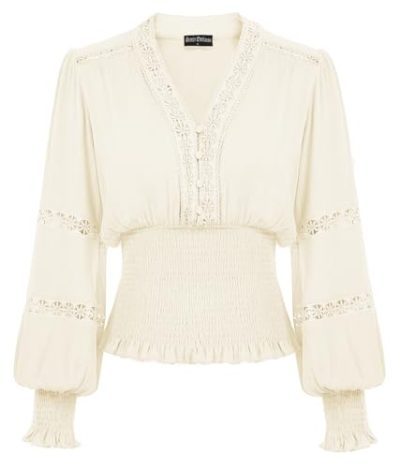
Cream Long Sleeve Peasant Blouse
Choose cream long sleeve peasant blouse for your preferred outfit.
See on Amazon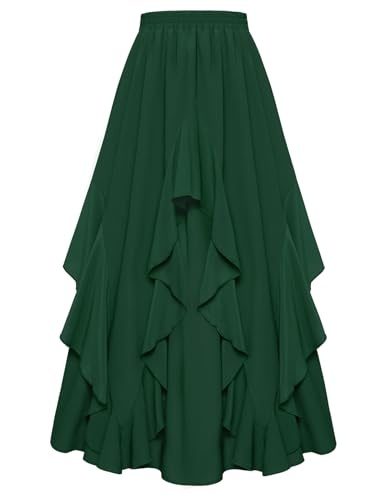
Forest Green Renaissance Maxi Skirt
Choose forest green renaissance maxi skirt for your preferred outfit.
See on Amazon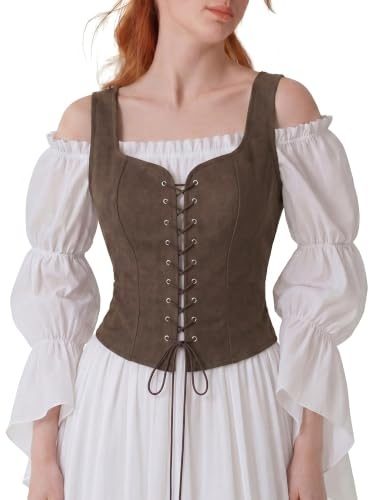
Quick Fixes for Your Renaissance Costume
The outfit feels too much like everyday clothes
Add one clear faire signal at the waist: a brown belt, a small pouch or a loose vest. Then make sure the cream layer remains visible. A long tunic over trousers or a full green skirt usually changes the silhouette more effectively than adding several small accessories.
The vest is uncomfortable
Loosen the laces, smooth the blouse beneath it and retie from the middle outward. The vest should lie flat without compressing your ribs or limiting your shoulders. If it still feels restrictive, use the Relaxed Skirt Look instead; it is designed to work without a bodice.
The skirt is too long for walking
Raise the waistband slightly if that is comfortable, then test the hem with the boots on. Avoid walking on the skirt hem or pinning it into a shape that prevents a full stride. A belt at the natural waist can help organize the layers without altering the skirt permanently.
The pouch keeps moving
Slide the pouch beside one hip and tighten the belt one notch if that remains comfortable. Keep only light essentials inside, since a heavy pouch twists both the belt and the outer layer. If you do not need storage, leave the pouch off; the belt alone still completes the look.
How to Pose in a Renaissance Costume
Use small, relaxed gestures that fit a market-day or traveling-faire mood. You do not need an accent, a backstory or an exaggerated performance for the costume to read clearly.
Carry yourself comfortably
Stand with relaxed shoulders, let the skirt or tunic move naturally and keep one hand near the belt or pouch only when it feels natural.
Use a simple greeting
A warm “good day” or a friendly nod suits the look without turning the costume into a scripted historical role.
Show the layers in photos
For a group picture, angle slightly so the vest, belt or pouch is visible, then let the skirt or tunic fall naturally instead of posing stiffly.
Renaissance Faire Pairs & Groups
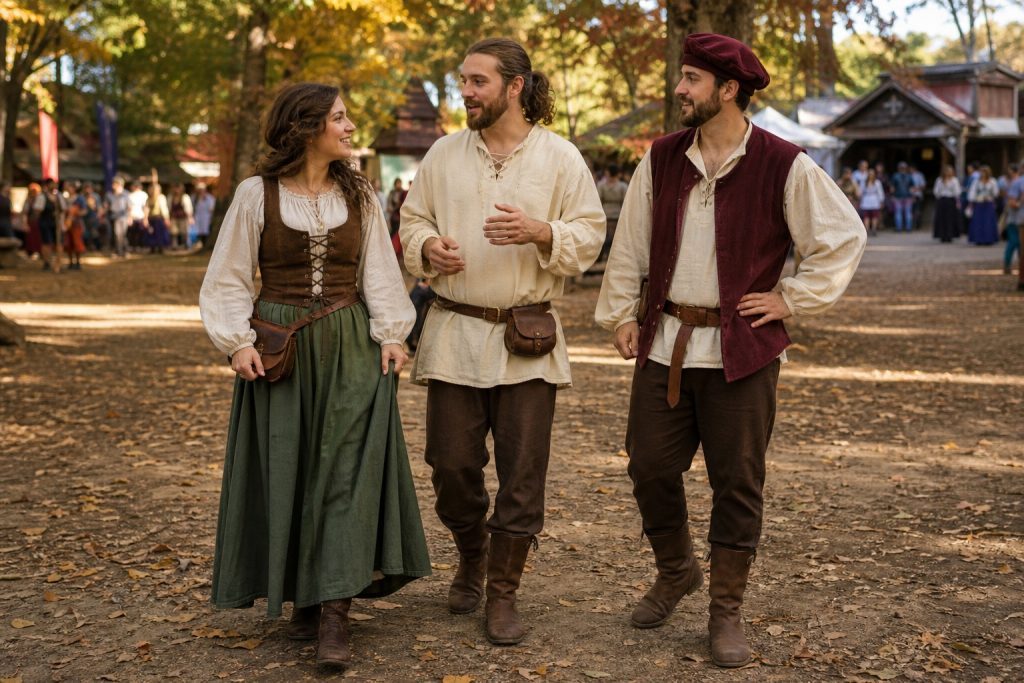
Coordinate a group through a shared earth-tone palette and mixed layers, not matching uniforms. Everyone can use the same cream, green, brown and burgundy family while choosing the silhouette that is most comfortable for them.
Skirt and tunic pair
Pair the Faire Skirt Look with the Tunic Faire Look for an easy visual contrast: one person brings green movement through the skirt, while the other uses a long cream tunic over brown trousers. Repeat brown boots and belts across both outfits so they look intentionally connected without becoming identical.
Burgundy accent group
Let one or two people wear burgundy accents such as a waistcoat or soft beret, while others stay in cream, green and brown. This gives the group a little color structure without suggesting an invented house, insignia or formal allegiance. Keep accessories personal and practical.
Fantasy-adjacent partners
Use Robin Hood, Buttercup or Aragorn only as partner or aesthetic directions beside these generic faire outfits. A green hooded tunic, red peasant-dress direction or brown ranger cloak can sit alongside the group, while the core looks remain broad modern Renaissance-faire clothing rather than exact character costumes.
Fantasy and Folklore Partners for a Faire
For a fantasy-friendly faire group, add Robin Hood, Buttercup or Aragorn. These are separate story settings rather than Renaissance historical figures.
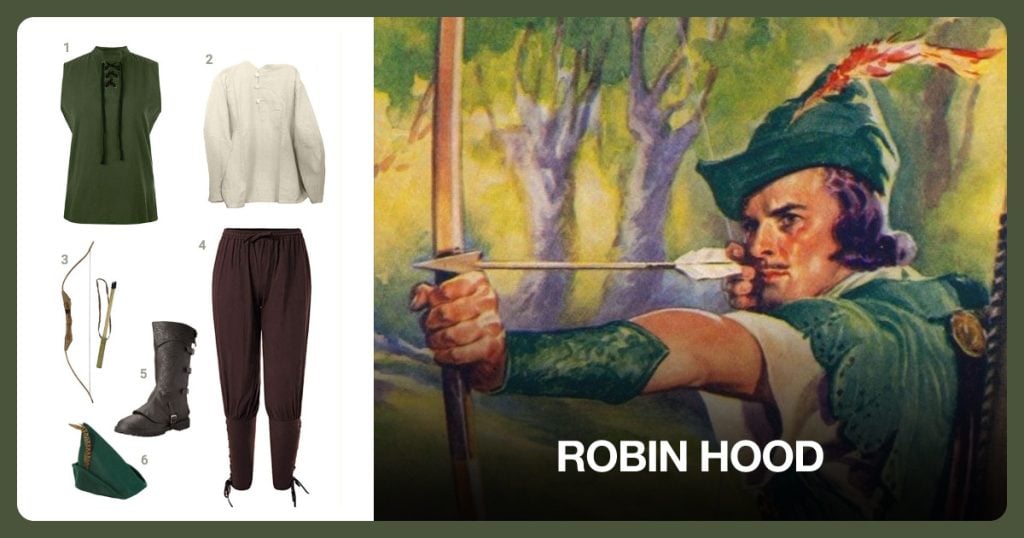
Robin Hood
Robin Hood’s hooded green tunic and boots provide a recognizable literary direction for a faire group. His folklore look is not a precise Renaissance reconstruction.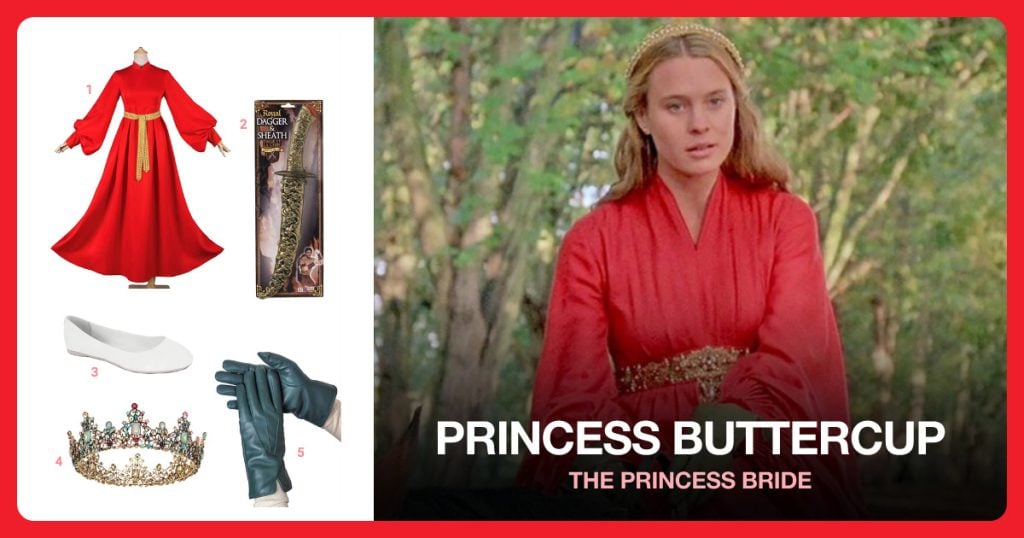
Princess Buttercup
Buttercup’s red peasant dress creates an easy storybook partner from The Princess Bride.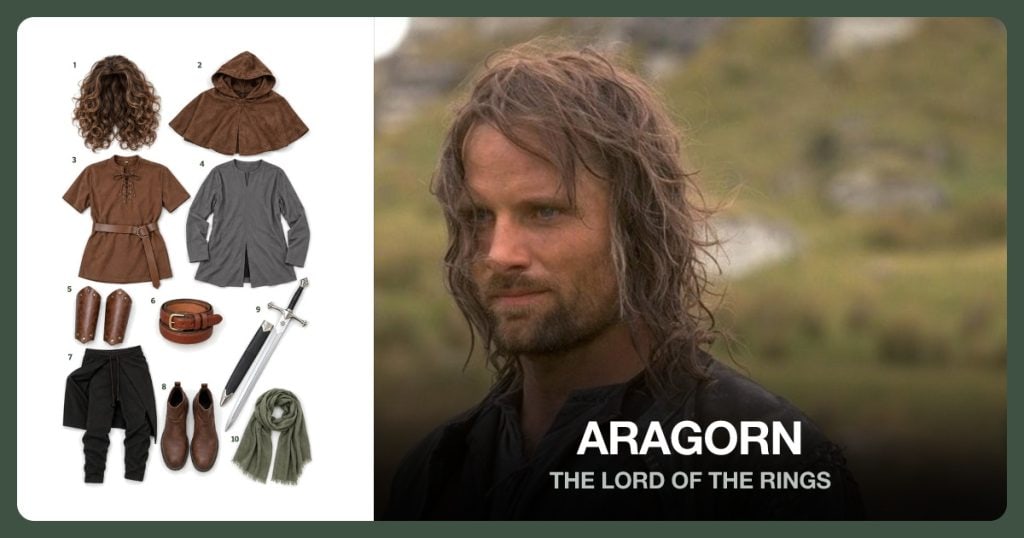
Aragorn
Aragorn’s layered ranger clothes and brown cloak offer a fantasy alternative for a Renaissance-faire group. His Middle-earth outfit is fictional.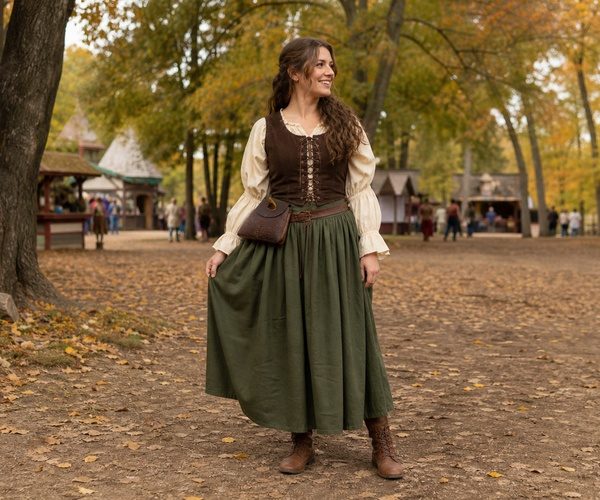
Renaissance Costume Tips & FAQs
What makes a Renaissance-faire costume recognizable?
A loose cream blouse or tunic, earthy lower layer, brown belt and boots create the clearest everyday faire shorthand. A green skirt, lace-up vest, pouch, scarf or soft beret adds personality, but you only need a few visible elements. The overall layered silhouette matters more than exact historical details.
Do these outfits aim for historical accuracy?
No. They are broad modern Renaissance-faire looks built for comfort, easy layering and reusable wardrobe basics. They do not represent a precise period, social class, occupation or regional dress tradition. If you want a specific historical interpretation, research that clothing separately before choosing materials and construction.
How can I stay comfortable at an outdoor faire?
Choose breathable underlayers, leave the vest loose enough to breathe and wear boots you can walk in for several hours. Test the skirt or tunic length with your footwear before leaving. A small belt pouch can reduce the need to carry a bag, but keep it light so it does not pull at your waist.
What if I already own similar clothes?
Use them. A plain cream blouse, oversized neutral shirt, long skirt, brown trousers, boots or leather-like belt can all become part of the costume. The suggested pieces are alternatives for missing basics, not a requirement to replace useful clothing. Concentrate on the color palette and visible layering first.
Is a vest necessary for the skirt outfit?
No. The Faire Skirt Look uses a brown lace-up vest for extra shape, while the Relaxed Skirt Look deliberately skips the bodice. If you prefer more airflow, easier movement or a less fitted silhouette, choose the scarf-and-belt version. Both read clearly as relaxed faire outfits.
Which accessories should I prioritize?
Start with a brown belt and comfortable boots, because they ground almost every variation. Add a pouch if you need hands-free storage, then choose either a burgundy beret or a cream scarf as a soft finishing piece. One or two accessories are usually clearer and more comfortable than a heavily loaded costume.
About Renaissance Costumes
Renaissance faires commonly invite a broad mix of historical, folklore and fantasy-inspired dress, so practical modern pieces can be more useful than elaborate costume construction. This guide focuses on the visual language many attendees recognize: cream underlayers, earthy colors, belts, boots and soft, movable layers. The looks are intentionally flexible across adult wardrobes. Skirts, tunics, trousers, vests and scarves are tools for shaping the outfit rather than rules about who can wear a particular silhouette. Choose the pieces that fit comfortably, suit the event weather and can be reused after the faire.
Build from reusable basics
A cream blouse or tunic, brown trousers, green skirt, boots and belt can all work beyond one event. Keep the costume change temporary by layering rather than permanently altering clothing. A belt pouch, scarf or vest can be added for the day and stored afterward.
Let comfort guide the final version
The most practical faire outfit is one you can walk, sit, eat and browse in without constant adjustment. Check lacing, hem length and pouch weight at home. When in doubt, simplify to a cream base, one colored lower layer, boots and a belt.
Make the Renaissance Costume Yours
Choose one silhouette, keep the base layer loose and add only the accessories you will actually use. A cream top, green skirt or brown trousers, sturdy boots and a belt already establish the Renaissance-faire direction. Once you can walk comfortably and the outer layers sit flat, your costume is ready for a relaxed day at the faire.