










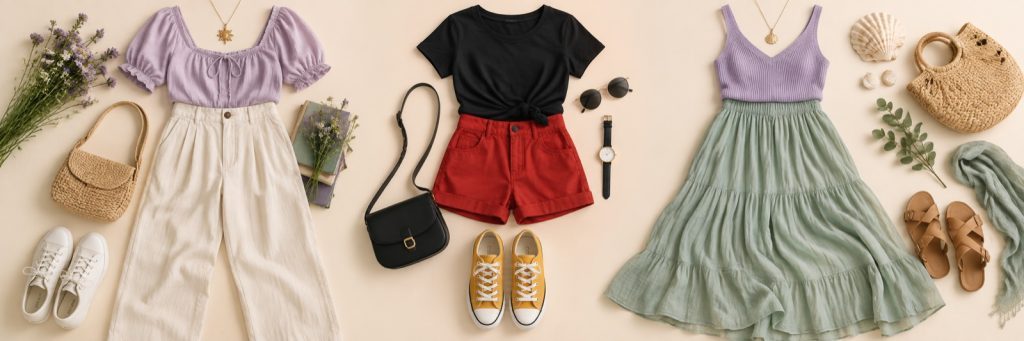
A lavender blouse can suggest Rapunzel. Black, red, and a small yellow accent can bring Mickey Mouse to mind. Disneybounding starts with that moment of recognition: everyday clothes that carry a little of a character’s story.
The name grew out of Leslie Kay’s DisneyBound blog in 2011, but the idea became much bigger than a collection of outfits. It gave fans a shared way to talk about character-inspired fashion, find one another, and keep dressing creatively beyond a costume party. Here’s how it developed—and how to try it with Costume Wall’s Disneybounding outfits.
It started with a trip—and Rapunzel
The name originally meant being bound for Disney, rather than a category of clothing.
A travel blog found a different purpose
In a 2021 interview with Laughing Place, Kay recalled starting a travel blog before visiting Walt Disney World with a friend. She was excited about returning as an adult, and DisneyBound was a name for that anticipation.
She then posted a Rapunzel outfit assembled on Polyvore, the fashion-collage platform. Requests for other characters followed. Readers attached the blog’s name to the outfits, and the vocabulary expanded to Disneybounding and Disneybounders.
A shared name for a familiar impulse
Kay also acknowledged that dressing in colors that remind you of Minnie Mouse wasn’t an entirely new invention. Her contribution was helping that instinct become a named, connected community. It is more accurate to credit her with popularizing Disneybounding than to claim no one had ever worn character-inspired clothes before 2011.
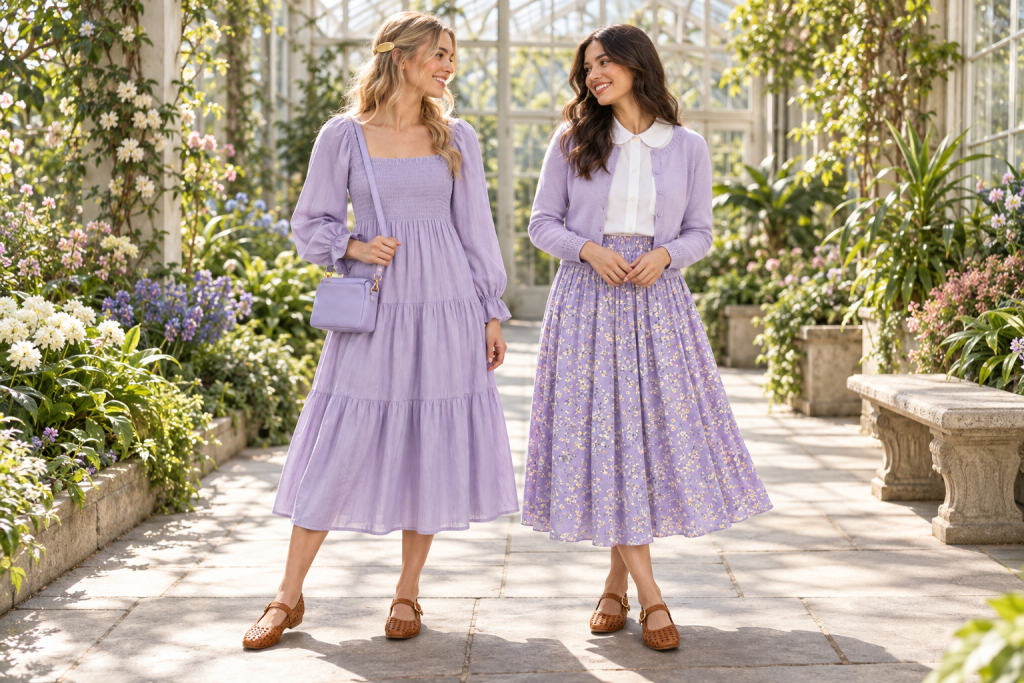
Rapunzel remains a useful starting point. Lavender, soft pink, a gold sun detail, or a small floral accessory can do the storytelling without recreating a gown or carrying a frying pan. Our Rapunzel outfit guide explores that translation through three wearable looks.
Four moments in Disneybounding’s history
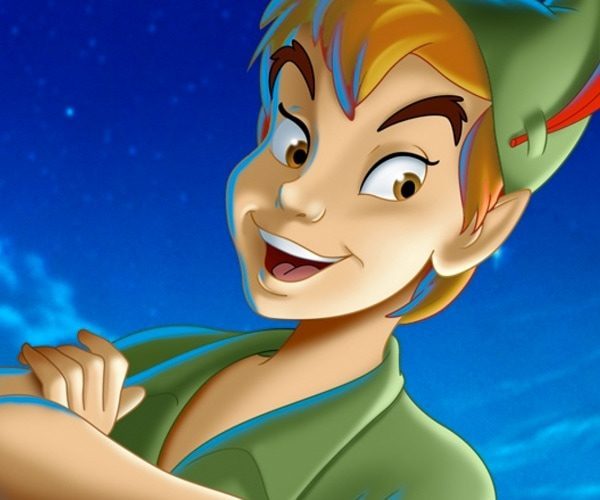
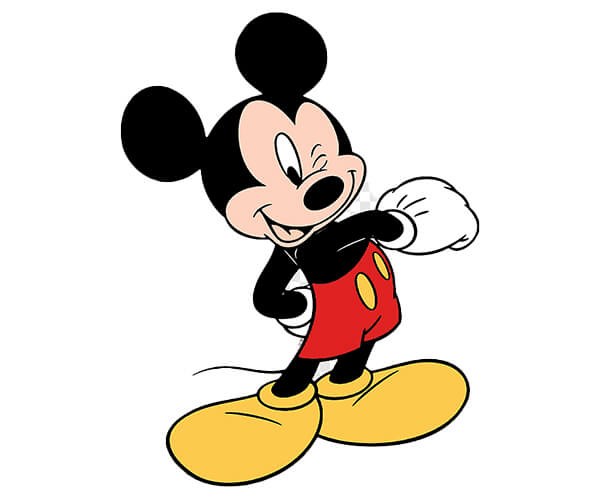
Follow the movement from a personal blog to shared outings, a book, and outfits worn at home. Character portraits illustrate the styling references; they are not historical event photos.

The blog gives the idea a name
Disney News’ January 2020 interview explicitly dates Kay’s blog launch to 2011. Her 2021 interview also marked the movement’s tenth anniversary.
Fans bring it to Main Street
Disney News documented 50 Disneybounders joining a Magic Kingdom parade celebrating Peter Pan’s 65th anniversary. Kay gathered fans wearing interpretations of the film’s characters. The event is a concrete example of a community formed online participating together at a park.
The book arrives
Disney Editions released Kay’s DisneyBound: Dress Disney and Make It Fashion on April 14, 2020. Its premise connects outfit building with individual expression and community, extending the blog’s approach into a published guide.

Bounding belongs at home, too
In a May 2020 D23 interview, Kay discussed outfits made from closet colors and accessories, including comfortable looks at home. In 2021, she described the community’s annual March challenge. A park trip was one place to wear a bound, rather than its only purpose.
How is Disneybounding different from a costume?
The useful distinction is what you ask the clothing to do.
As an Amazon Associate, Costume Wall earns from qualifying purchases. About Amazon Associates · Affiliate disclosure.
Lavender Daylight
Rapunzel Costume
A Disneybound builds an everyday outfit
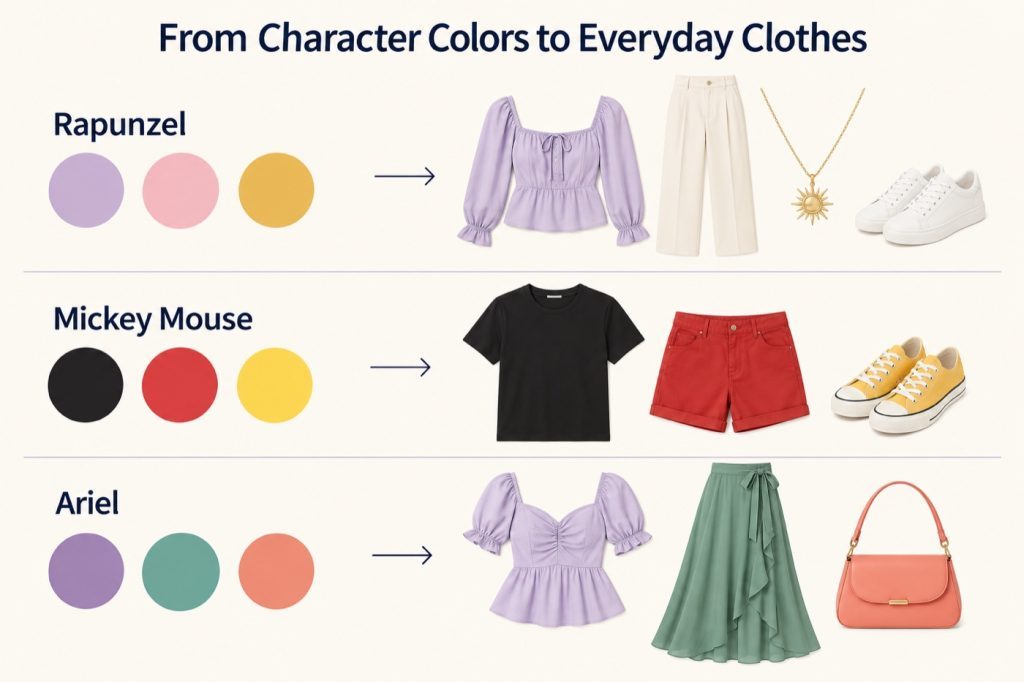
You choose clothes you would wear as clothes, then connect them through a character’s colors, patterns, or small details. Mickey might become a black sweatshirt, red trousers, and yellow sneakers. Ariel might become a lavender top, green skirt, and shell necklace.
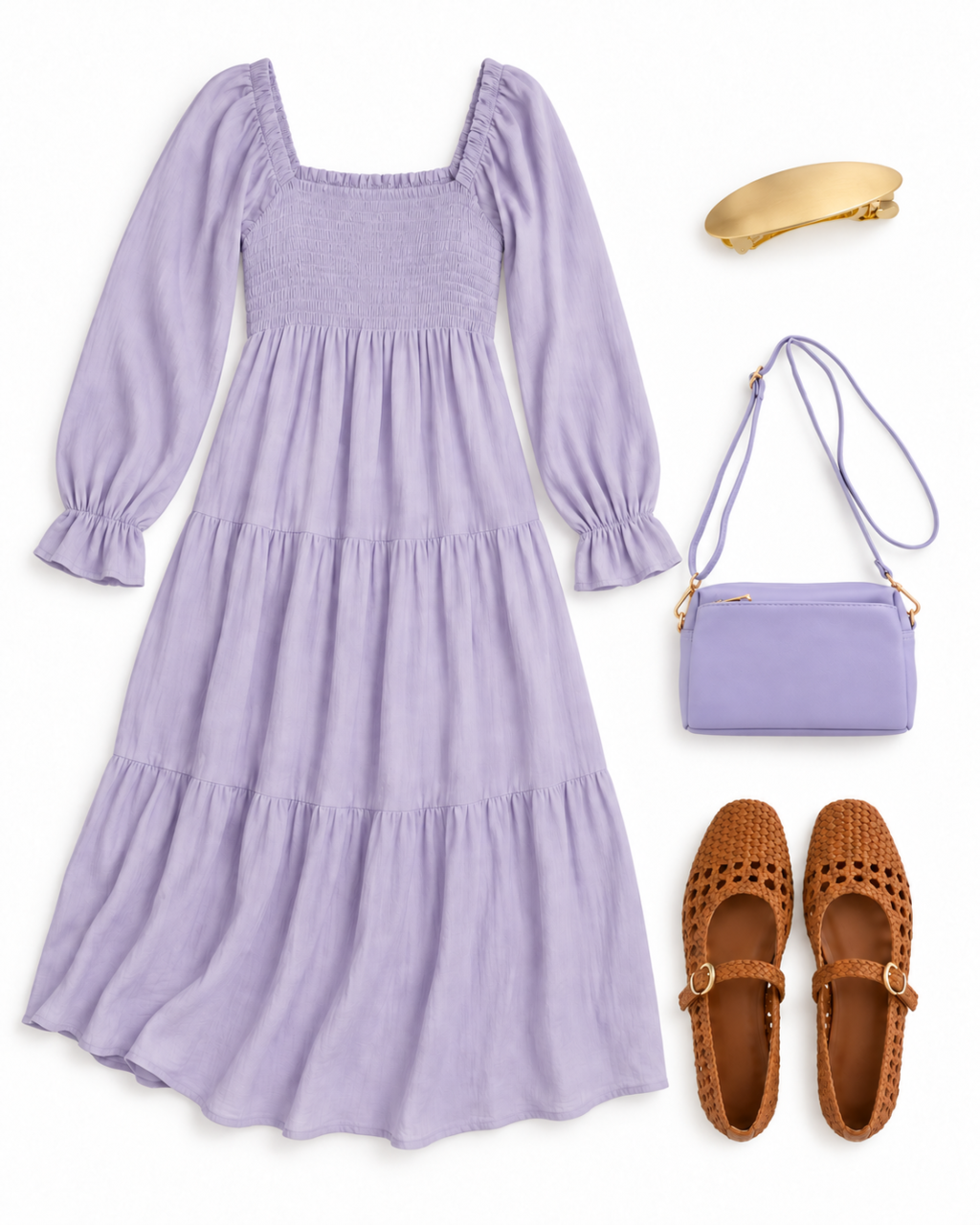
In the Rapunzel flatlay above, the lavender dress carries the main color, while the gold barrette adds a small highlight. The bag and flats belong to an ordinary wardrobe. You can change the dress to a blouse and trousers, or skip the hair accessory, while keeping the color connection that makes the outfit recognizable.
A costume recreates a character look
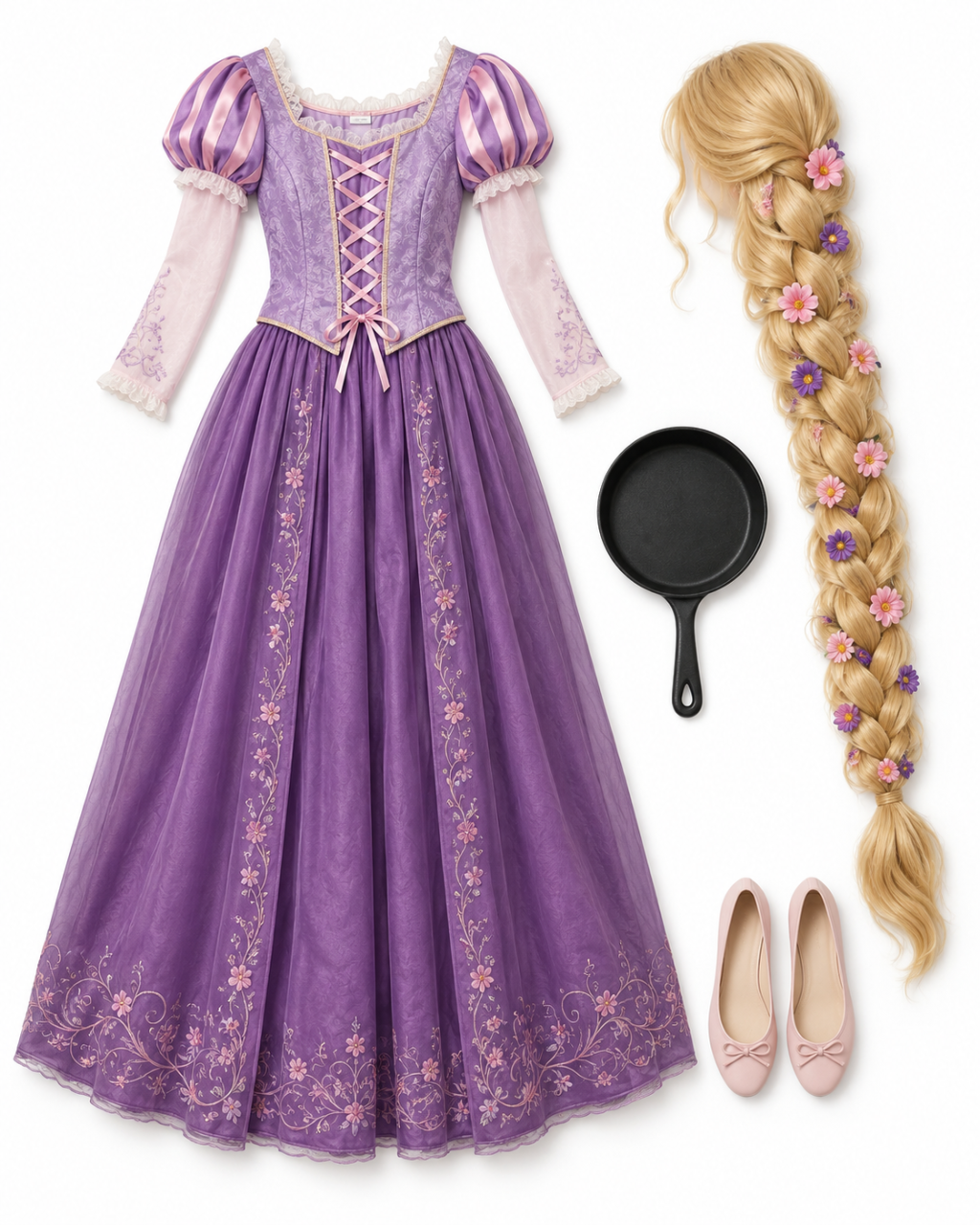
A costume often aims for the actual outfit: Rapunzel’s gown, Jack Skellington’s suit and bat bow tie, or a character’s signature prop. Cosplay may add detailed construction, wigs, makeup, and performance, although costumes and cosplay vary widely in complexity.
A bound can be elaborate and a costume can be simple. Price and effort don’t settle the distinction. Ask whether the finished result feels like your everyday wardrobe interpreting a character or like clothing made to portray that character directly.
How an outfit idea becomes a community
The important shift was from seeing a character-inspired collage to making your own interpretation and sharing it with other fans.
Many interpretations of one character
In Disney News’ 2020 conversation with Kay, she emphasized the different community members included in her book. She described inspiration coming from clothing, a character’s personality, and seasonal fashion. That helps explain why bounding keeps changing: it is a way of making choices, rather than one finished costume pattern everyone repeats.
Our guides use several outfits for the same reason. A casual version and a dressed-up version can share the same character colors while solving different wardrobe needs. Seeing those alternatives gives you a starting point without making a single outfit the correct answer.
The detail becomes a conversation
A small accessory can reward someone who recognizes the reference. A sun pendant makes more sense beside lavender clothes; patchwork becomes more legible beside Sally’s pastel colors. The fun can come from noticing the connection rather than announcing the character.
Try a group photo with everyone choosing a different character from one story. Compare how each person used color and one detail, then ask what they chose and why. That gives a themed outing a creative activity without requiring identical outfits, elaborate props, or a contest.
Break the character down into three useful clues
Our styling approach starts with color, adds a recognizable detail, and gives the outfit a purpose. These examples are Costume Wall interpretations, not rules set by Disney or the DisneyBound community.
1.Decide which version you mean
Ariel’s purple-and-green mermaid palette creates a different outfit from her blue dress and hair bow. Belle’s village clothes suggest blue and white, while the ballroom scene suggests yellow and gold. Mixing every version can weaken the reference, even when each piece relates to the character.
Choose one source image or scene before looking for clothes. Write down two dominant colors and one detail that matters to you. That small brief makes it easier to decide whether a new piece helps or simply adds another reference.
2.Give the colors different jobs
Three colors do not have to occupy equal amounts of the outfit. A large area of green and a lavender blouse can establish Ariel, while a coral bag adds contrast. Mickey’s yellow can stay in shoes rather than becoming a third large garment. Jack Skellington works through contrast and stripes, so a monochrome outfit can still have a clear structure.
If the literal shade feels difficult to wear, try a softer or deeper version: wine red instead of bright red, sage instead of vivid green, or muted lilac instead of saturated purple. Keep the relationship between the colors clear and see whether you still recognize the idea.
3.Translate the detail instead of reproducing the prop
Rapunzel’s sun can become a pendant or a small bag detail. Ariel’s shells can become jewelry. Sally’s patchwork can become a color-block shirt or patterned bag. One focused clue often works better than a collection of accessories competing for attention.
Then choose the clothes for your actual day. A trouser outfit may suit a long walk better than the dress you first imagined; a cardigan can carry a color without replacing your favorite tee. The character is a starting point for styling, and the outfit still has to work as clothing.
See the idea in our Disneybounding outfits
Use these guides to compare complete looks, then borrow the pieces or details that fit your wardrobe. The flatlays show the individual pieces; the worn looks show how those colors work together. Both are Costume Wall’s contemporary outfit interpretations.
Black & Burgundy
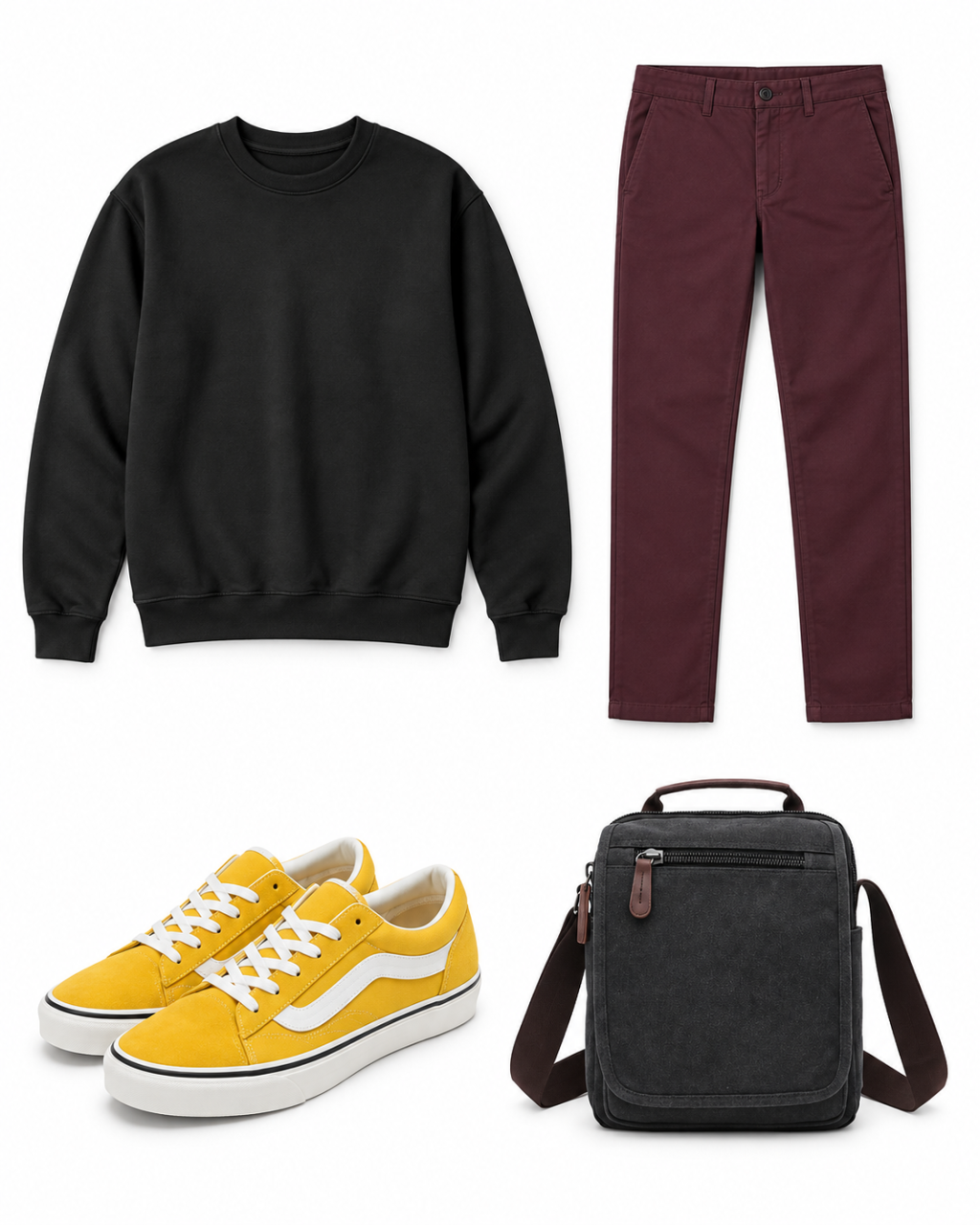
Mickey Mouse
Black and red carry the reference, with yellow kept to a smaller accent. Our guide offers relaxed separates, a skirt outfit, and a more tailored interpretation.
What to borrow: Keep black and red in the clothes, then choose where yellow belongs. A wine-red skirt or trousers makes the palette quieter while preserving the connection. You don’t need round ears to make the color combination useful.
Lavender Lagoon
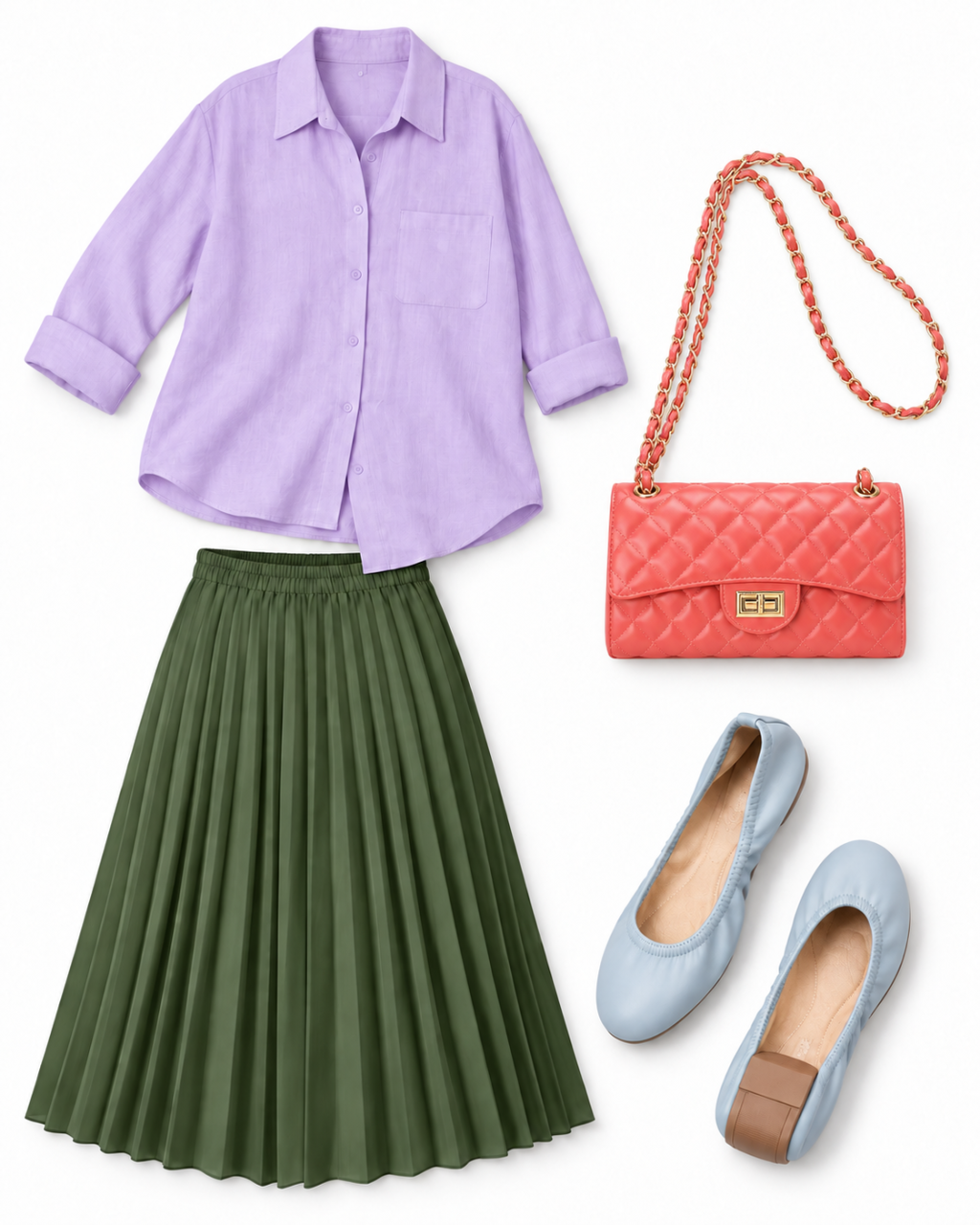
 Ariel
Purple and green recall Ariel’s animated mermaid look. Our guide translates those colors into skirts and trousers, with coral accessories adding a warm contrast.
What to borrow: Keep purple and green together; decide whether the green belongs in a skirt, trousers, or knit. A shell necklace is optional. If you prefer Ariel’s human outfits, choose that scene deliberately rather than treating every Ariel look as the same palette.
Take it into Halloween season
The Nightmare Before Christmas offers two different ways to make an everyday outfit feel seasonal.
Moonlit Matinée
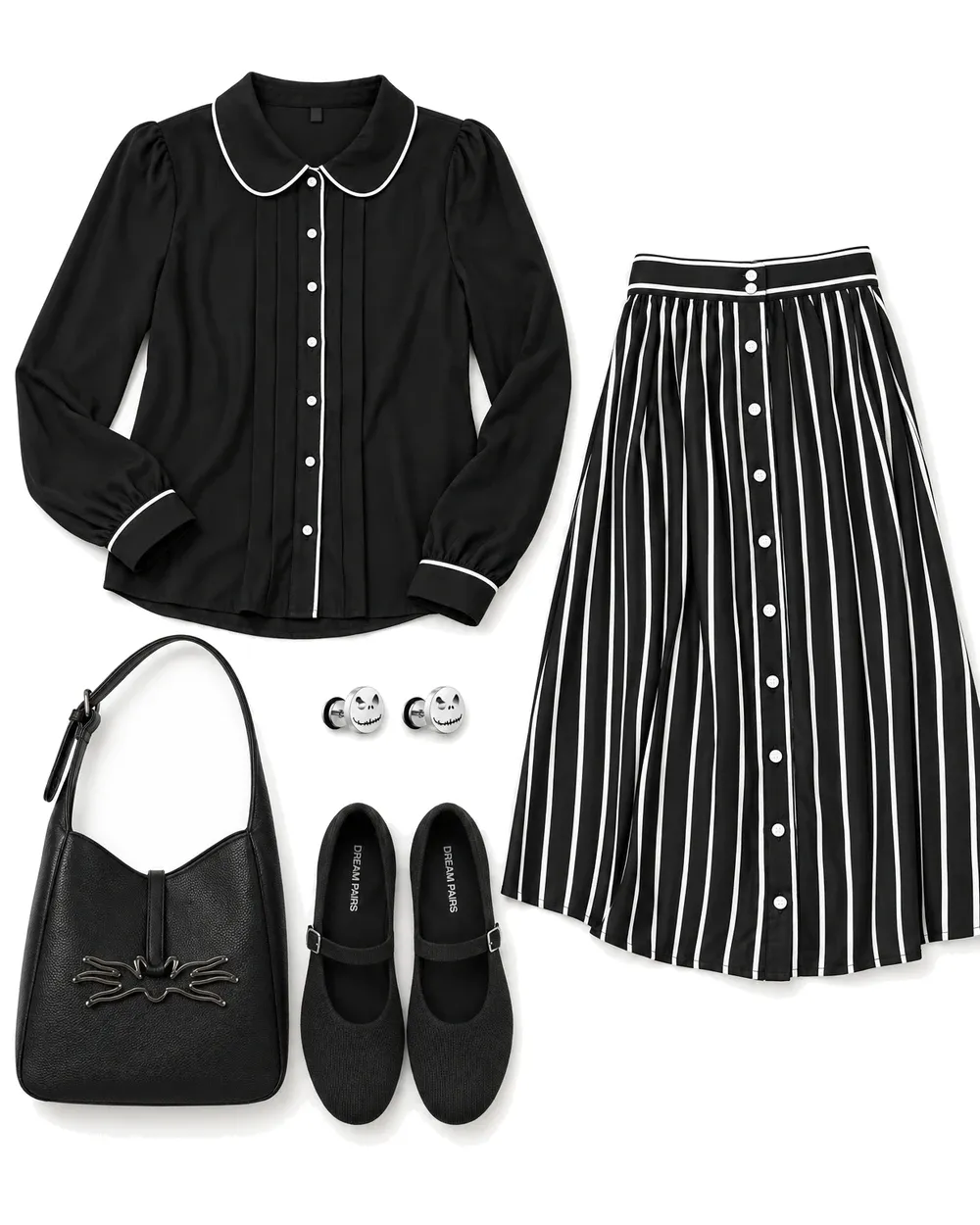
Jack Skellington
Start with black and white, then use stripes or contrasting trim. Our looks suggest Jack through everyday separates rather than a full character suit.
What to borrow: Use one striped piece against plain black or white. Contrast piping gives another route if large stripes feel too strong. Keep the hair and makeup ordinary when the aim is everyday fashion, and let the clothing do the reference.
Patchwork Weekend
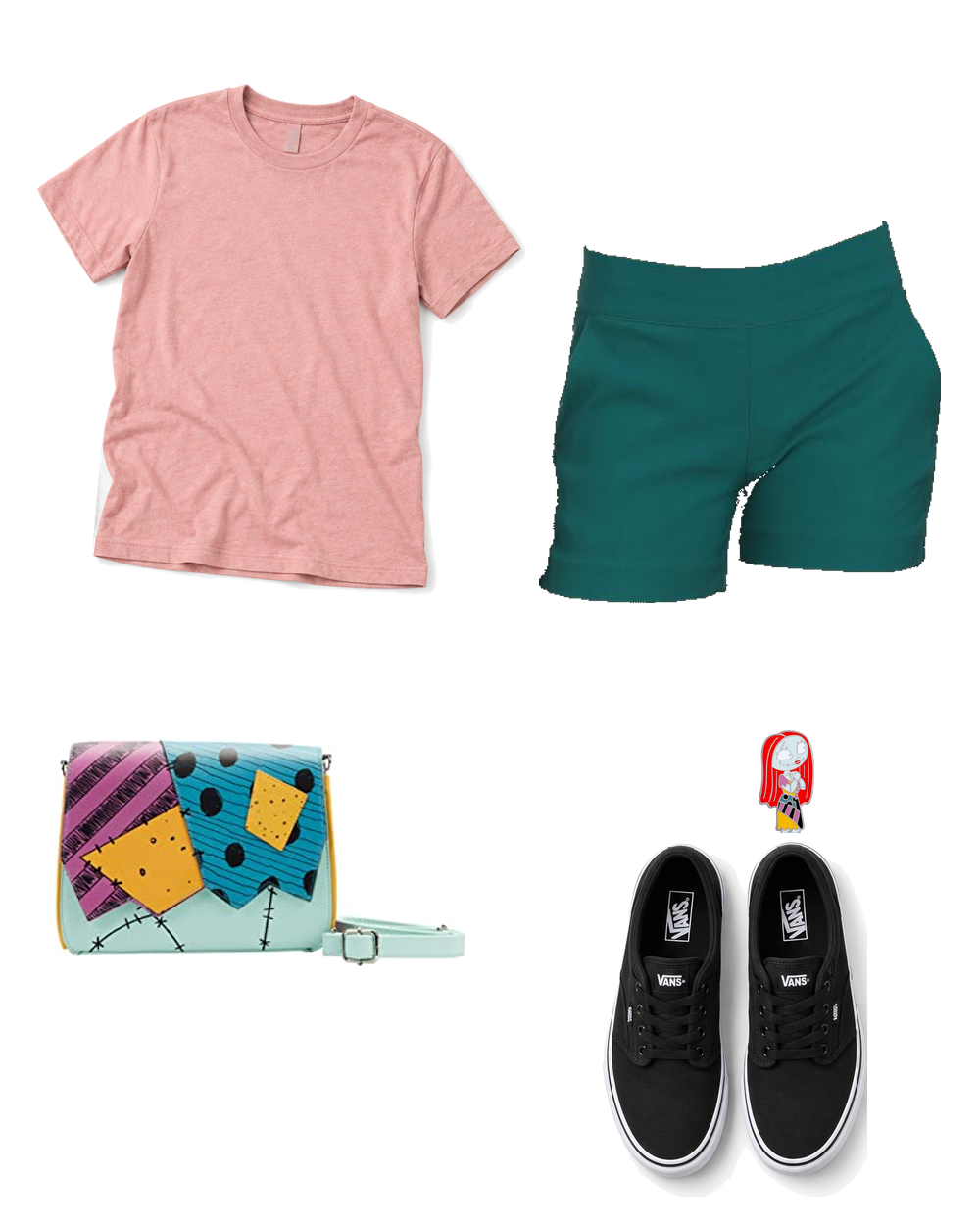
Sally
Use pink, yellow, teal, and a little black. Our guide brings Sally’s patchwork feel into a cardigan outfit, a color-block overshirt, and a casual tee-and-shorts combination.
What to borrow: Spread the pastel colors across separate pieces rather than buying a patchwork costume dress. A single patchwork bag can tie plain garments together. Compare Sally with Jack to see how a duo can coordinate by story instead of matching every color.
What makes a bound feel clear?
Look at the outfit as a whole before adding another accessory. If the main color combination is missing, a tiny pin may be doing too much work. If every piece is loud, remove one reference and see whether the remaining clothes read more clearly.
- One competing color: Swap the largest unrelated garment first, rather than replacing everything.
- Too many accessories: Keep the one you would point to when explaining the character.
- A look that only works in a pose: Try sitting and walking before deciding it is finished.
Make it work at several budgets
Lay out a familiar outfit and compare its colors with the character. Decide what is missing before shopping.
Choose new garments you can wear afterward. Our guides show complete looks, but you can borrow one idea without buying everything pictured.
Build a bound from what you own
Start with a character you like and one outfit you already enjoy wearing. Add only the details that help connect the two.
Why park dress rules matter—but don’t explain the whole history
Bounding suits park days because it starts with everyday fashion. That doesn’t make every themed outfit automatically permitted.
Check the resort and the event
As checked in October 2026, Walt Disney World’s property rules prohibit costumes in its theme parks, water parks, and ESPN Wide World of Sports Complex for guests ages 14 or older. The rules also address masks, clothing that drags on the ground, and objects that resemble weapons. Special events have additional costume policies.
Disneyland has its own resort rules, and other Disney destinations can differ. Read the rules for your actual resort and ticketed event. A Halloween party policy should not be treated as permission for an ordinary daytime visit.
Keep the outfit’s purpose clear
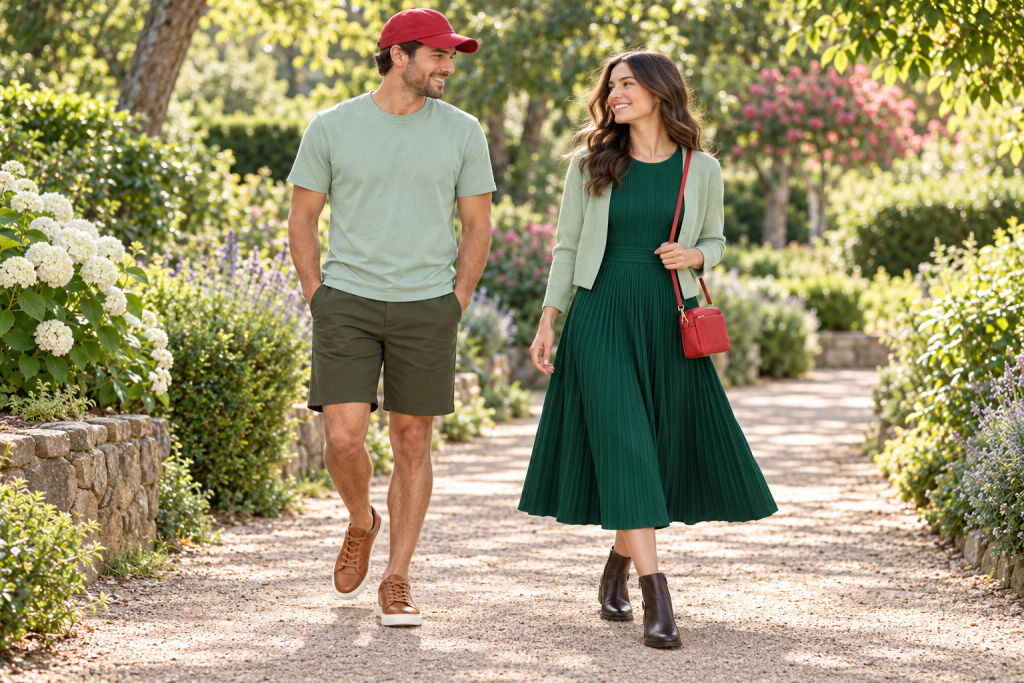
Our Peter Pan outfit guide shows the everyday approach. Wear the green shirt or dress because you like the reference; leave a costume weapon out of the plan. A familiar color, a small red accessory, and comfortable brown footwear can communicate the idea without a theatrical prop.
Park restrictions help explain why bounding appeals to adult visitors. Kay’s account of its beginnings, however, describes a travel blog and outfit collage—not a movement launched solely to get around a costume ban. That distinction leaves room for the creativity, fashion, and friendships that kept it growing.
Disneybounding questions
Who started Disneybounding?
Leslie Kay popularized the name and community through her DisneyBound blog, beginning in 2011. Character-inspired everyday dressing existed before the blog; her own account recognizes that history.
Do I have to buy Disney-branded clothes?
No. Ordinary clothes can carry the reference through color, pattern, and a small accessory. Start with your wardrobe, then use a complete outfit guide when you want ideas for a missing piece.
Can I Disneybound outside a theme park?
Yes. You can put together a character-inspired outfit for lunch, a themed gathering, a photo, or an ordinary day. Choose the formality and footwear for the setting.
Is character-inspired fashion always Disneybounding?
Disneybounding refers to Disney-inspired looks. The same styling method can work for other fictional characters, which Costume Wall groups under broader character-inspired outfits. Our directory lets you browse both categories.
Is Disneybounding the same as Dapper Day?
No. Dapper Day celebrates dressing well and personal style; a character reference is optional. Disneybounding begins with a Disney reference. One outfit can do both, but you can attend a Dapper Day outing without choosing a character.
Can men Disneybound as princesses?
Yes. Choose the character’s colors or a meaningful detail, then use garments you enjoy wearing. Lavender shirts, cream trousers, and a sun accessory can suggest Rapunzel without a dress. The reference doesn’t require copying the character’s gender or body.
Do the colors have to match exactly?
No. Muted or deeper shades can preserve the relationship between the colors while fitting your wardrobe. Try wine red with black for Mickey, or sage with lavender for Ariel. Check the whole outfit before deciding a shade is too different.
Can I reuse the same clothes for several characters?
Yes. A blue shirt might support a Donald Duck outfit with white and yellow, or a Cinderella-inspired look with pale neutrals. Change the surrounding colors and one clear accessory. Photograph both combinations so you can see which details carry each reference.
Does a Halloween party ticket change the costume rules?
A special event can have its own costume policy. Read that event’s official rules and check when they apply; don’t assume the permission extends to an ordinary park visit earlier that day. The outfit still needs to meet the applicable restrictions.
Do I need a wig or a character prop?
No. A bound can work through clothes and accessories alone. Use a small sun, shell, bow, stripe, or patchwork detail when it helps. Save costume-specific wigs and large props for a setting where you want—and are allowed—to wear a costume.
Sources and further reading
The history above draws on Kay’s own interviews and contemporary Disney coverage. The outfit analysis is Costume Wall’s editorial interpretation.
The origins and community
- Laughing Place’s 2021 interview with Leslie Kay — the blog’s beginnings, the name, and the community.
- Disney News’ January 2020 Q&A — the 2011 blog launch and creative approach.
- Disney Editions’ DisneyBound book page — the publication date and the Rapunzel premise.
- Disney News’ June 2018 Peter Pan parade report — a documented fan gathering.
- D23’s May 2020 interview — closet-first and at-home bounding.
Related events and current rules
- DAPPER DAY’s About Us page — the organization’s distinct origins and purpose.
- Walt Disney World property rules — attire and prohibited items.
- Disneyland Resort rules — check your destination’s requirements.
Park policies were checked October 1, 2026. Recheck the official policy before a visit, particularly for special events.
Keep the character, make the outfit yours
Disneybounding grew because an outfit could be recognizable and personal at the same time. The story began with a blog and a Rapunzel collage, then continued through shared looks, gatherings, a book, and everyday experiments.
For your first bound, pick one character and one clear clothing cue. Try Rapunzel’s lavender, Mickey’s black and red, Ariel’s purple and green, or Jack’s monochrome stripes. Use our outfit guides to see the pieces together, then choose the version you actually want to wear.