







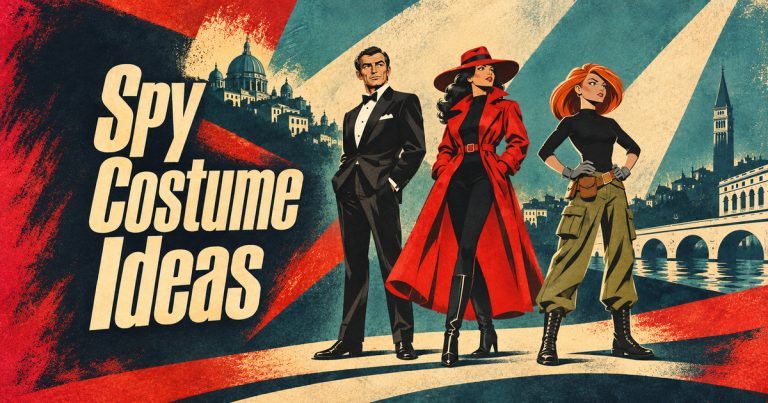



A television costume might begin with a zigzag shirt, a red coat, or a whole chair. These 20 ideas come from Costume Wall’s own Halloween costume gallery, where readers share finished costumes and the stories behind them. There are individual looks, coordinated casts, cartoon pairs, and ambitious builds.
Each entry credits its contributor and links to the original account. We point out a visible detail you can borrow, then include a relevant costume guide where we have one. For more community submissions, browse the gallery’s TV Shows category.
1. Kevin Malone and the chili spill
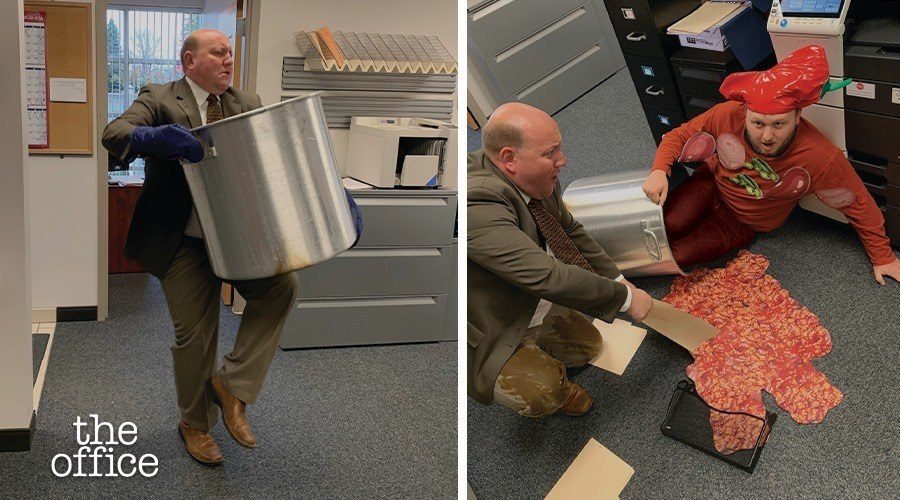
Mike Steinborn’s entry turns a familiar office outfit into a whole scene. The large stockpot identifies the idea in one panel; the staged spill completes it in the next. The ordinary shirt, tie, and trousers give the prop a recognizable setting instead of competing with it.
Borrow the contrast between plain work clothes and one conspicuous story detail. A lightweight pretend spill or an empty prop pot can suggest the moment without bringing an actual meal to the party. Plan where that prop will go when you need both hands.
Entry submitted by Mike Steinborn. View the original entry.
 Make this costume
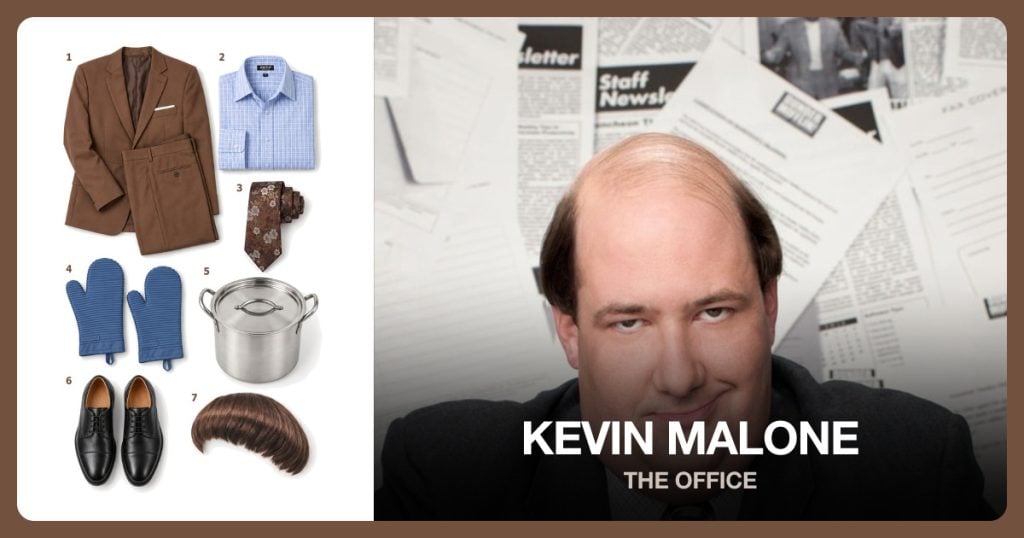
Kevin Malone
See the outfit, supplies and step-by-step guide.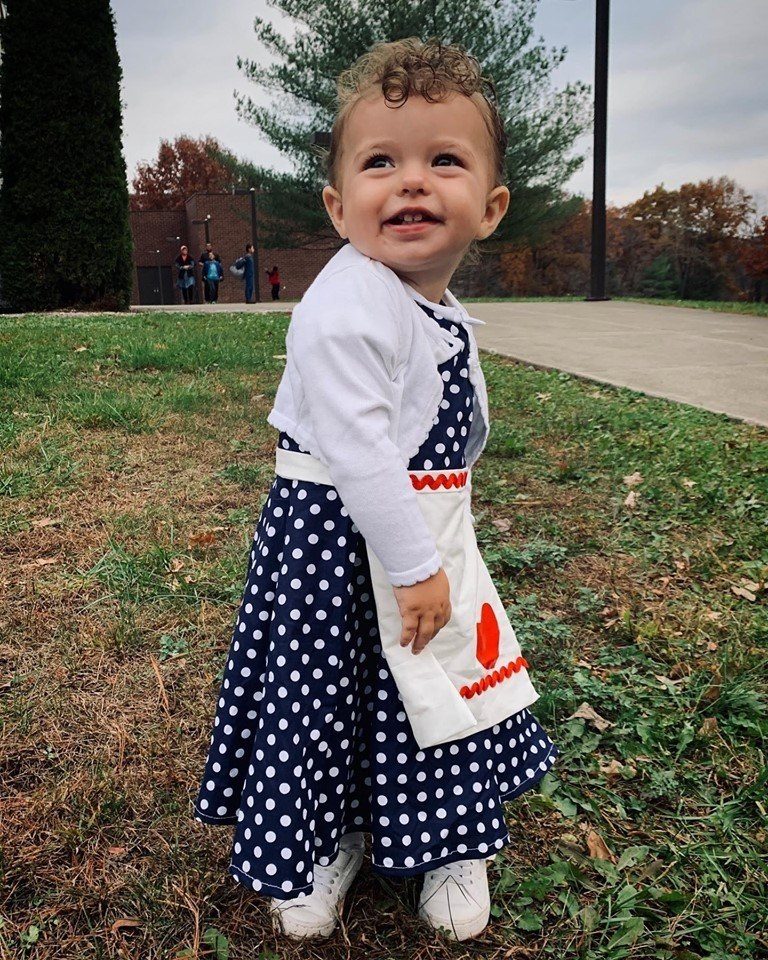
2. Lucy Ricardo
Jeffrey Sebasovich submitted this picture of his daughter as Lucy. The dark polka-dot dress, white apron, and light cardigan create a complete little outfit, with the apron’s red trim supplying another clear accent. You do not need a complicated backdrop to see the coordinated shapes.
Borrow the apron-and-dress combination rather than buying unrelated retro accessories. Keep the dots visible at the bodice and skirt, then use the white layer to frame them. A familiar hairstyle or expression can finish the reference after the clothing is settled.
Entry submitted by Jeffrey Sebasovich. View the original entry.
 Make this costume
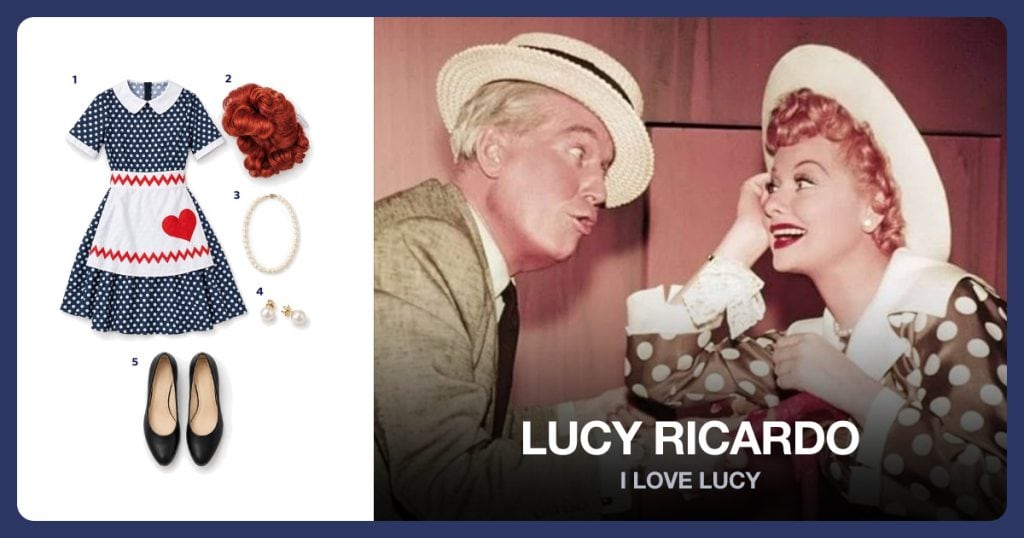
Lucy Ricardo
See the outfit, supplies and step-by-step guide.
3. Gilly from Saturday Night Live
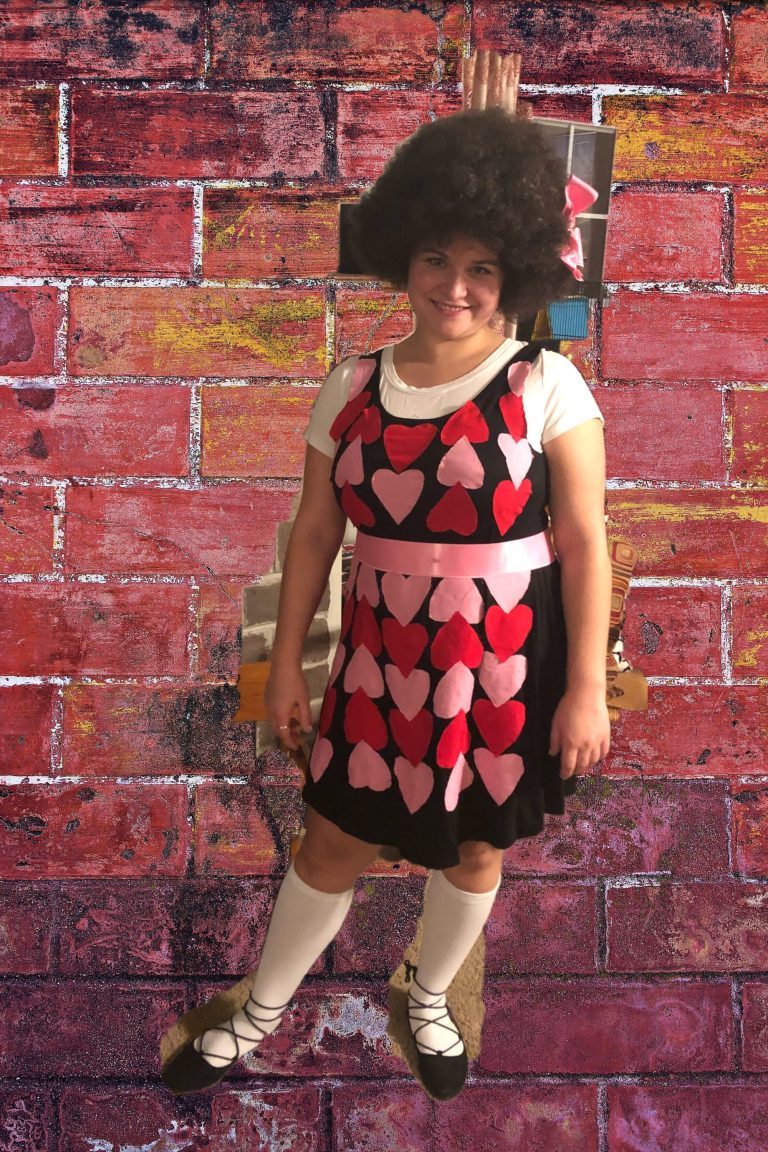
Rachel’s Gilly costume uses large pink hearts to turn a black dress into a very specific outfit. The pink ribbon and white collar repeat the light accents near the face, while the big dark hairstyle changes the silhouette. Those details do more than a generic schoolgirl accessory would.
Her account explains that she cut cloth hearts and attached them with fabric glue. Borrow the idea of changing one basic garment with a repeated motif. Lay out the shapes before attaching them so the pattern remains readable when the dress is worn.
Entry submitted by Rachel. View the original entry.
4. Bob Ross and a happy little tree
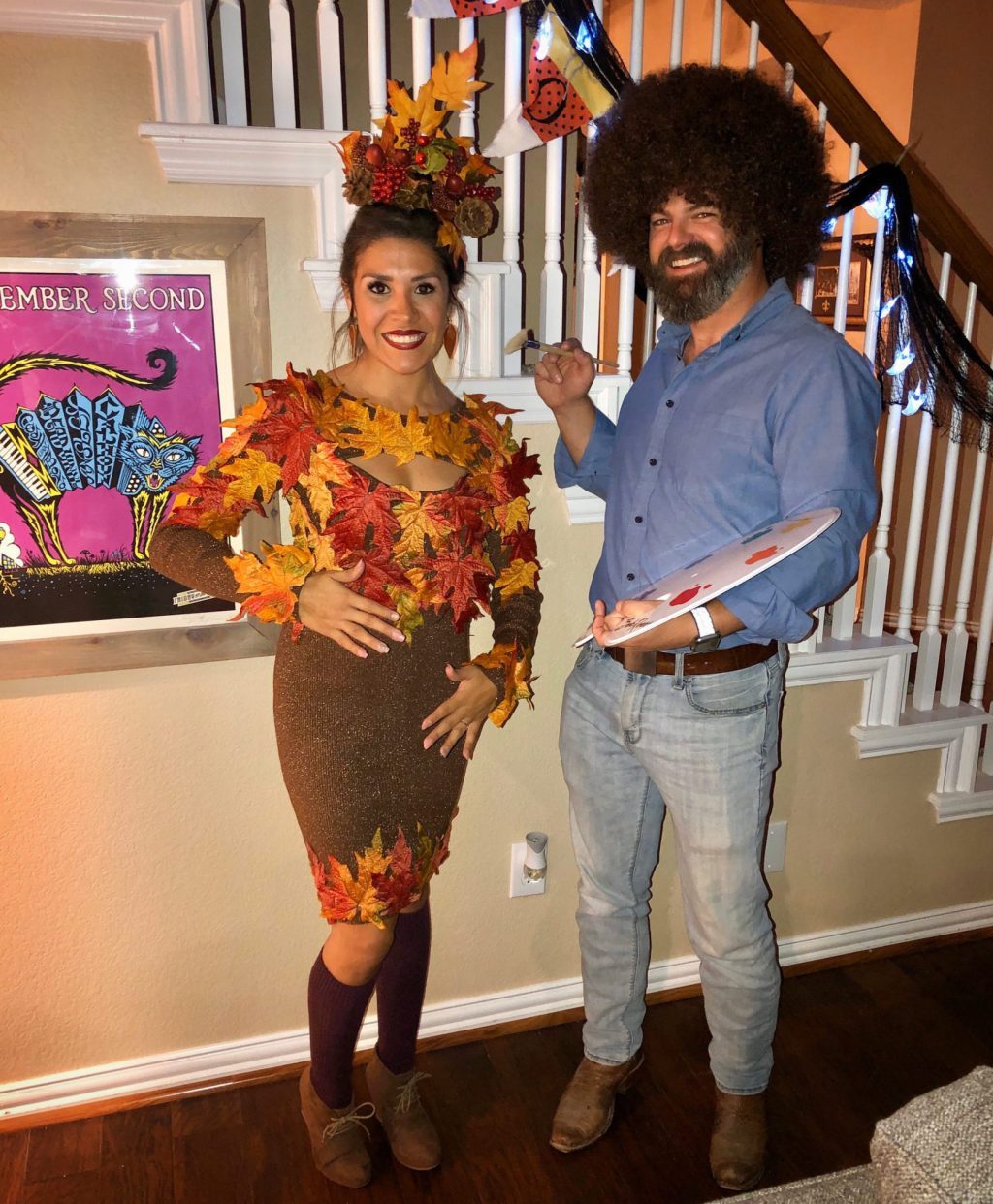
Cynthia Campos’s entry pairs a painter’s blue shirt, jeans, palette, and rounded hair with a tree costume covered in autumn leaves. The pair has different jobs: one person establishes the television reference, while the other brings the painting into the room.
In her account, Cynthia describes transforming a resale-shop brown dress with leaves from a garland and making a leafy headpiece. Borrow that clear division of roles. A strong paired idea does not require both people to wear equally complicated outfits.
Entry submitted by Cynthia Campos. View the original entry.
 Make this costume
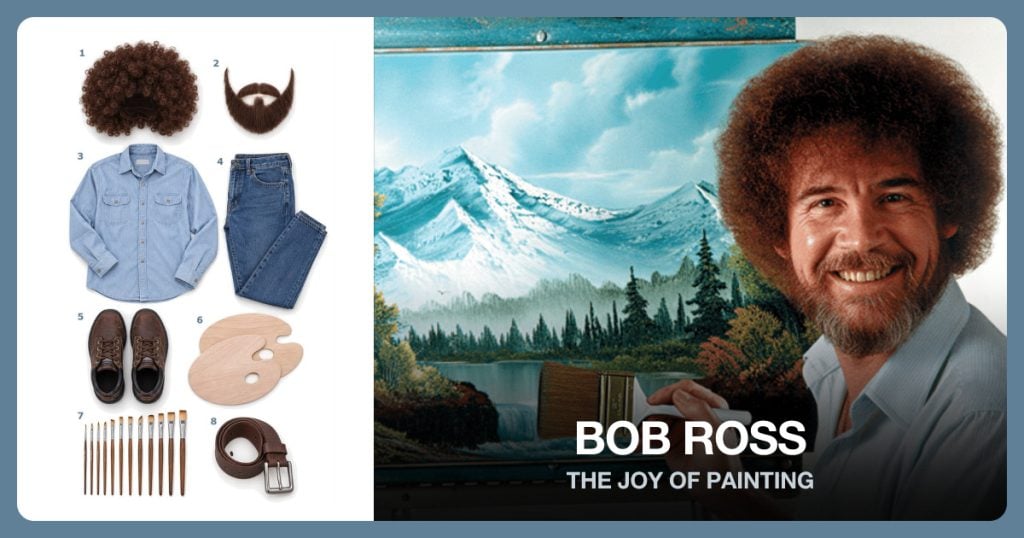
Bob Ross
See the outfit, supplies and step-by-step guide.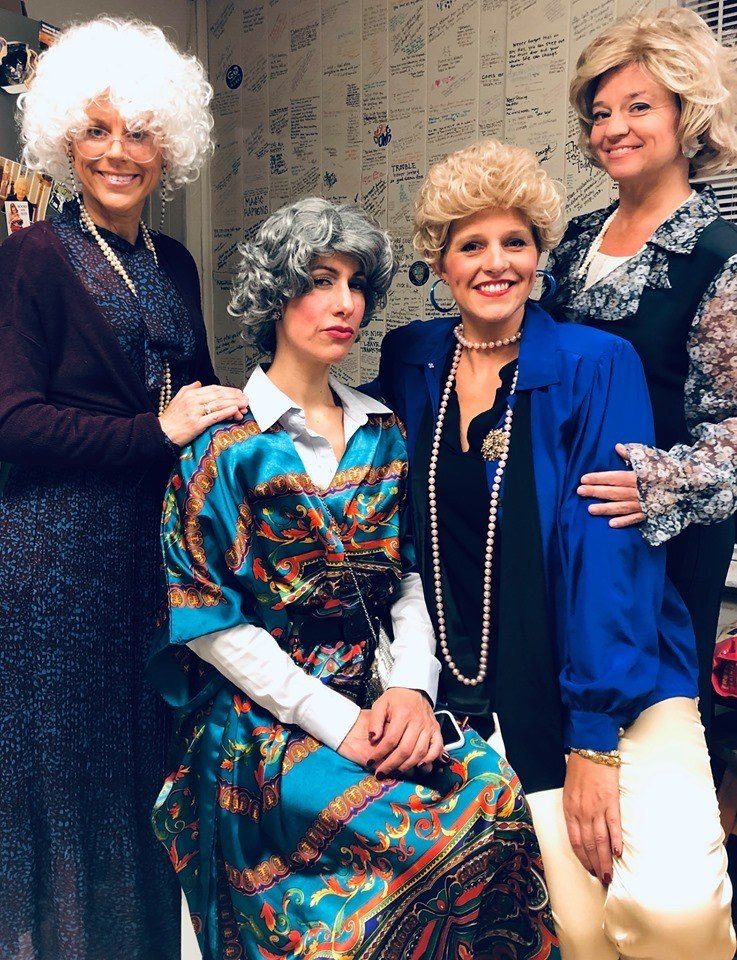
5. The Golden Girls
Amy kelly’s group brings four distinct looks together through styled wigs, jewelry, and dressy clothing. The colors and prints vary, but the shared portrait arrangement makes the group feel coordinated. Matching every garment would remove much of the personality that makes this idea work.
Borrow the difference between the roles. Assign each person a hairstyle, a main clothing shape, and one accessory before everyone shops separately. Then take a group photo early enough to notice whether two outfits have become too similar.
Entry submitted by Amy kelly. View the original entry.
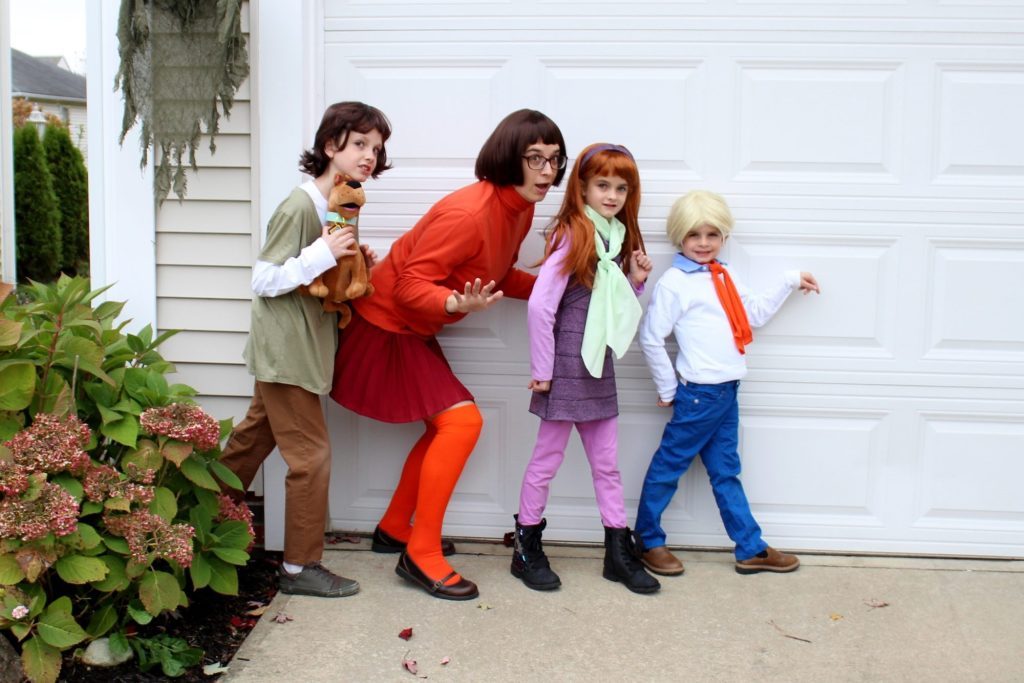
6. Mystery Inc.
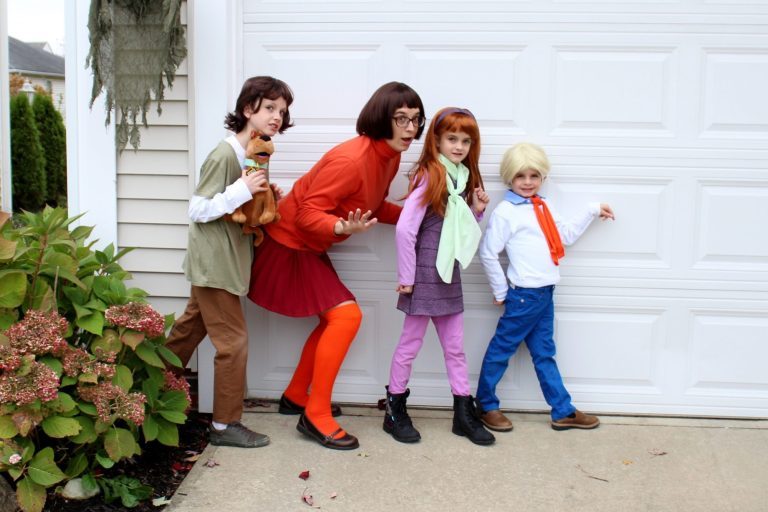
Emily Rebro’s four-person Mystery Inc. group makes color do the organizing: Shaggy’s green shirt, Velma’s orange outfit, Daphne’s purple dress, and Fred’s white shirt with an orange neck accent. The whole group reads because each person has a different, simple color assignment.
Emily credits thrift-store finds, clothing already owned, and wigs. Borrow that order of operations: check the closet first, fill the biggest color gap, then choose the hair or accessory that distinguishes your role. You can coordinate without purchasing four matching costume sets.
Entry submitted by Emily Rebro. View the original entry.
 Make this costume
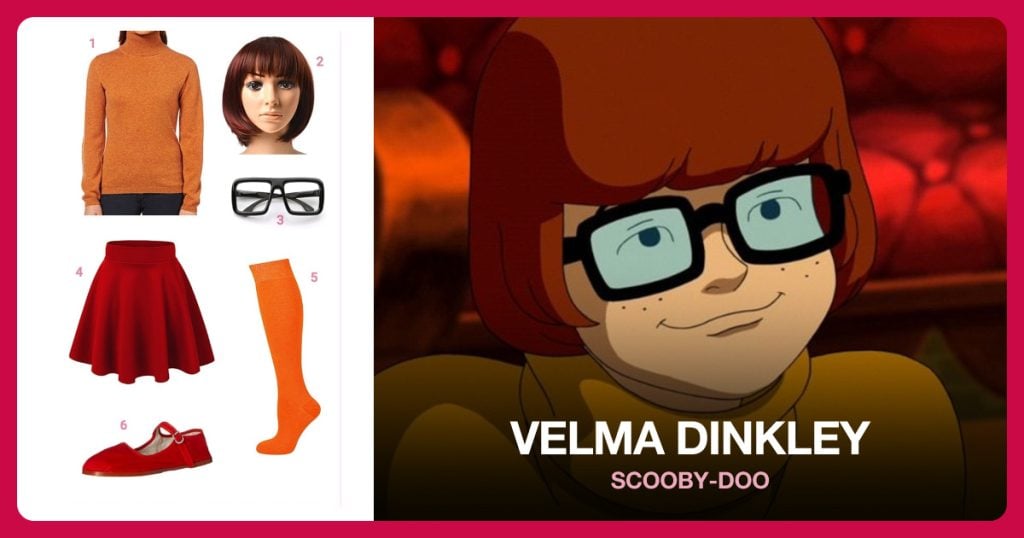
Velma Dinkley
See the outfit, supplies and step-by-step guide.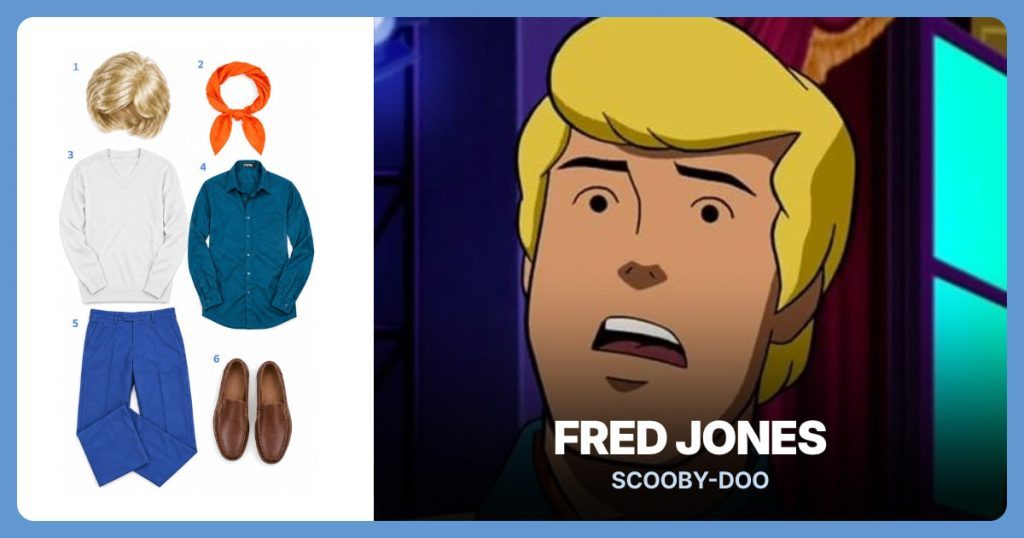 Make this costume
Fred Jones
See the outfit, supplies and step-by-step guide.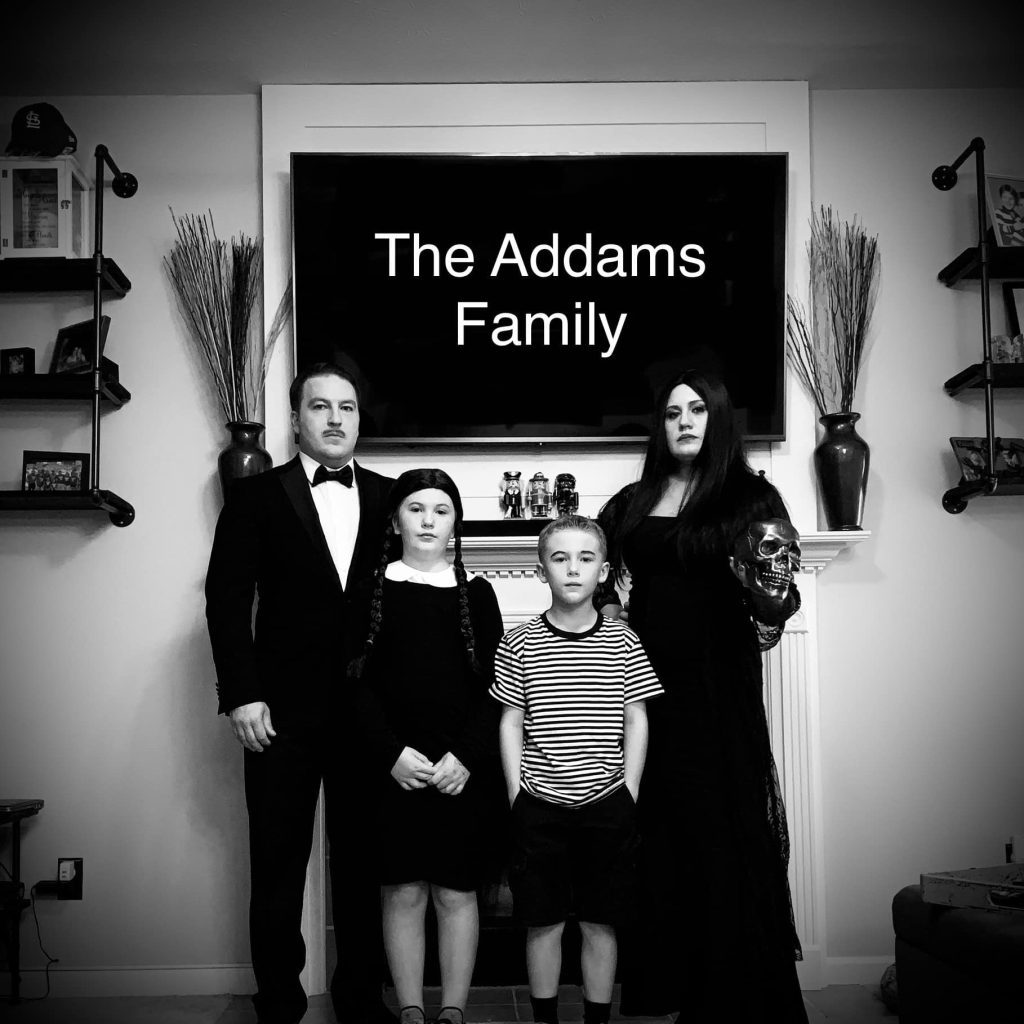
7. The Addams Family
Jennifer Roam’s black-and-white portrait gathers Gomez, Morticia, Wednesday, and Pugsley around a stark family setup. Dark clothing connects the group, while the long dress, suit, contrasting collar, and striped shirt give the four figures different outlines.
Borrow the contrast rather than making every outfit identical. Keep Pugsley’s stripes and Wednesday’s collar readable against the darker clothes, and let the longer silhouettes frame them. A simple group arrangement can make familiar garments feel more deliberate.
Entry submitted by Jennifer Roam. View the original entry.
 Make this costume
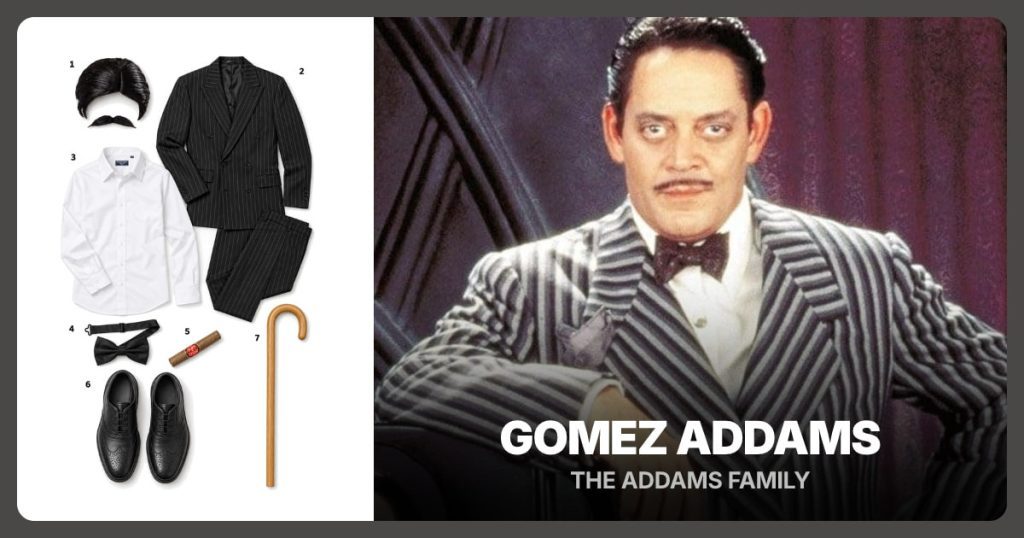
Gomez Addams
See the outfit, supplies and step-by-step guide.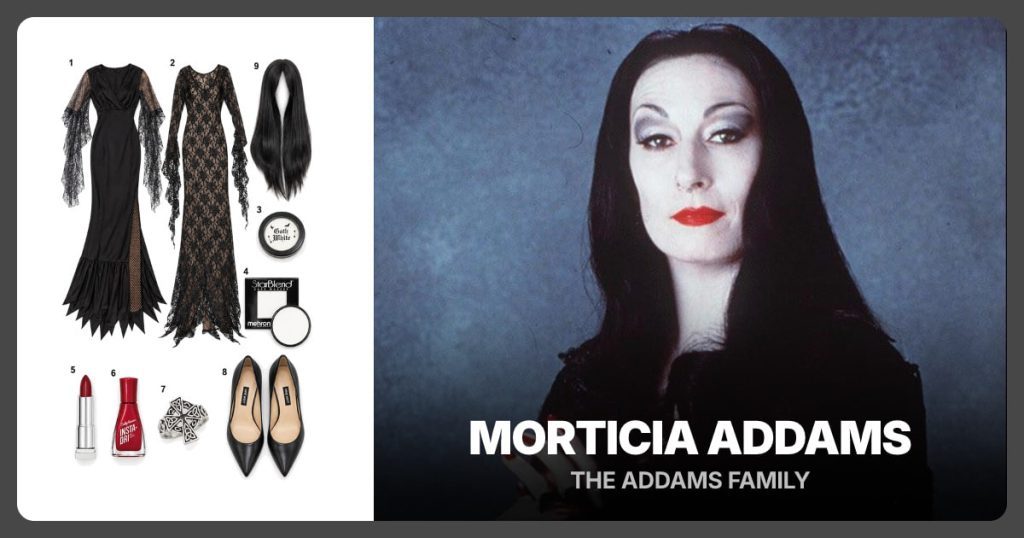 Make this costume
Morticia Addams
See the outfit, supplies and step-by-step guide.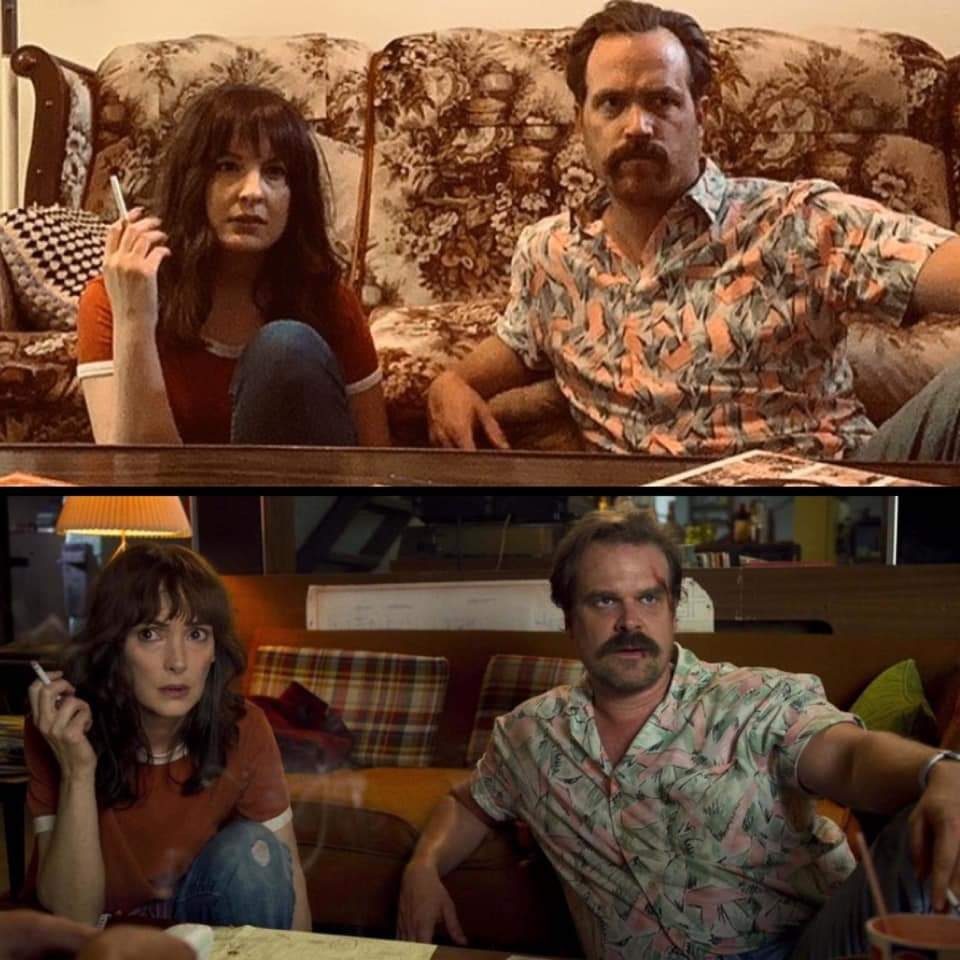
8. Joyce and Hopper
Dan Desroches’s entry places a Joyce-and-Hopper costume photo above a screen reference. The short brown hairstyle, patterned shirt, and seated pose make the comparison easy to follow. The second panel is the reference, not another pair of costumers.
Dan identifies the setting as a grandmother’s basement with period furnishings. Borrow the practice of choosing one scene before assembling a duo. Matching its clothes and posture gives you a shared reference even when you photograph the finished outfits in an ordinary room.
Entry submitted by Dan Desroches. View the original entry.
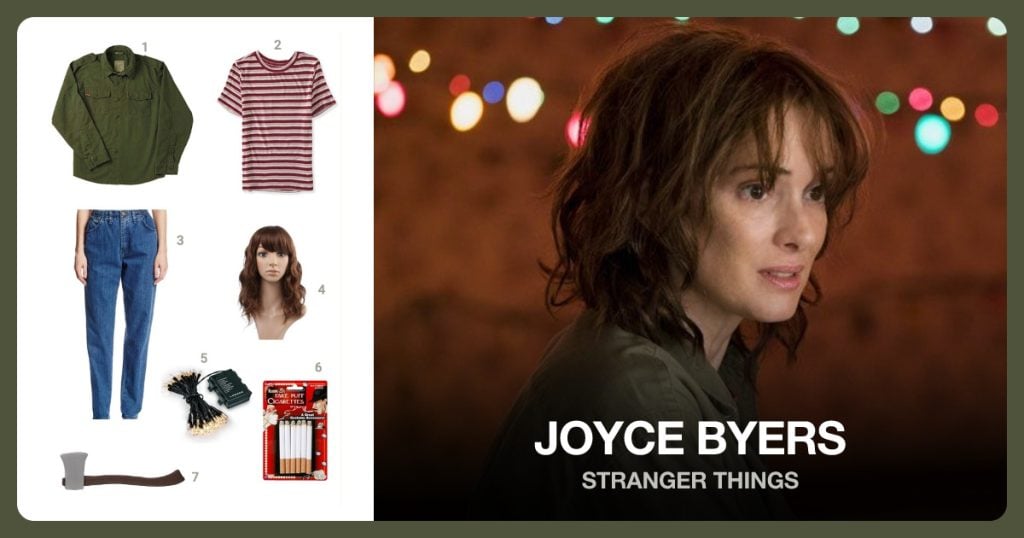 Make this costume
Joyce Byers
See the outfit, supplies and step-by-step guide.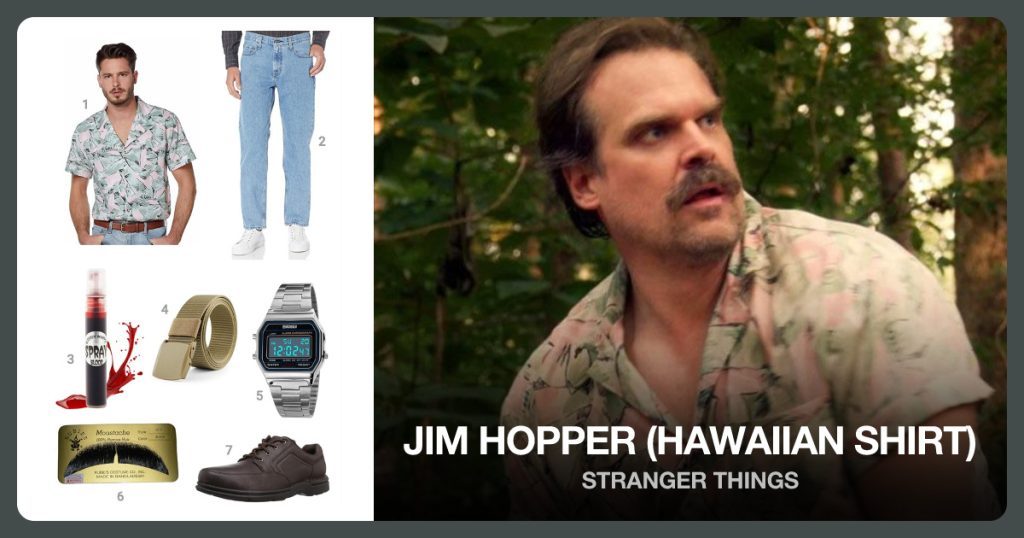 Make this costume
Jim Hopper (Hawaiian Shirt)
See the outfit, supplies and step-by-step guide.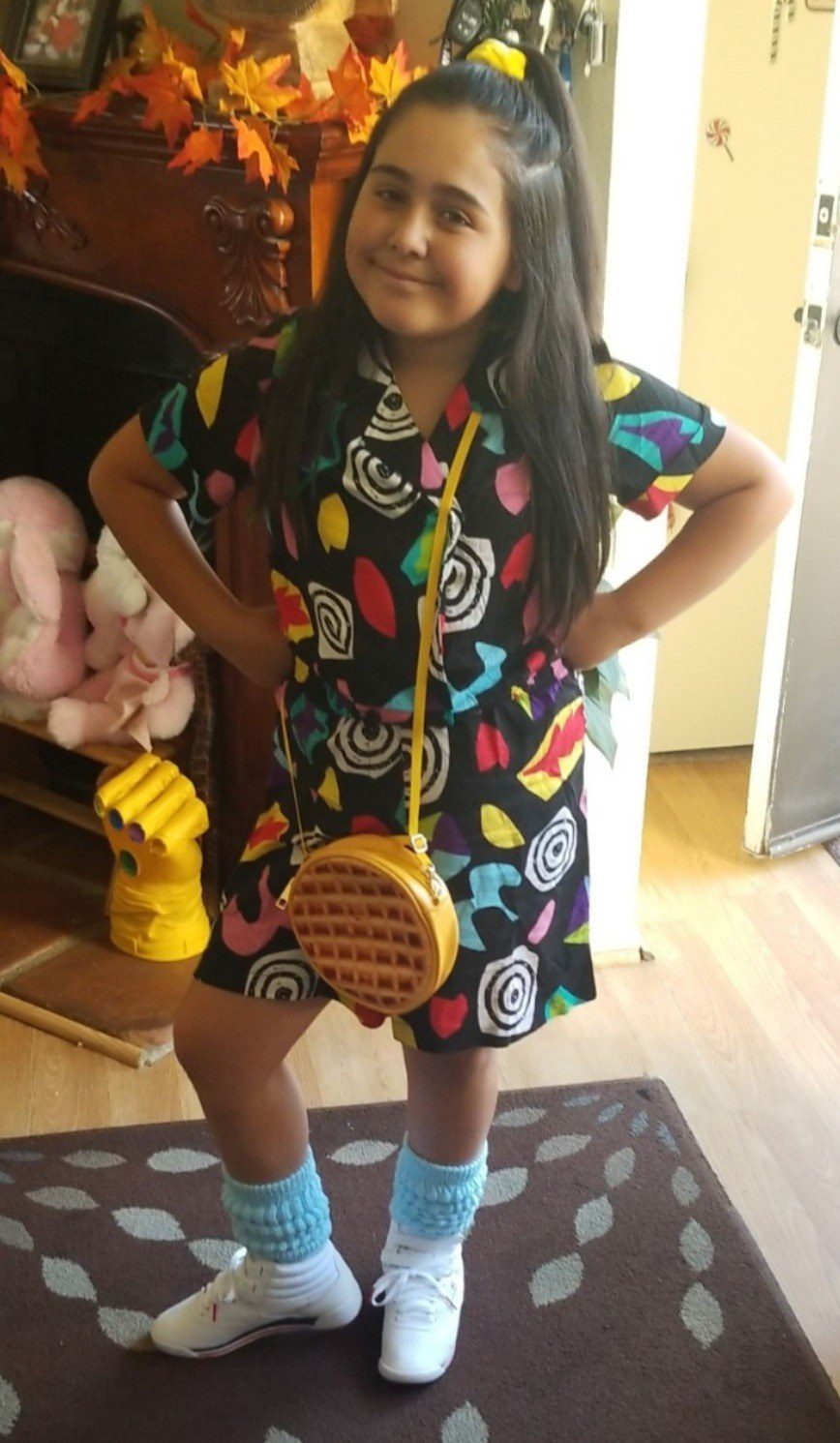
9. Eleven’s colorful Season 3 look
Cara Franco’s Eleven entry uses a black outfit covered in bright geometric shapes, with pale blue socks, white shoes, and a waffle accessory. The repeated shapes establish the clothing reference; the waffle gives a smaller clue after you notice the outfit.
Borrow the bold pattern and keep it visible from top to bottom. If you are adapting separate garments, compare their colors and scale together before adding accessories. One well-chosen prop is easier to manage than several clues that all need to be carried.
Entry submitted by Cara Franco. View the original entry.
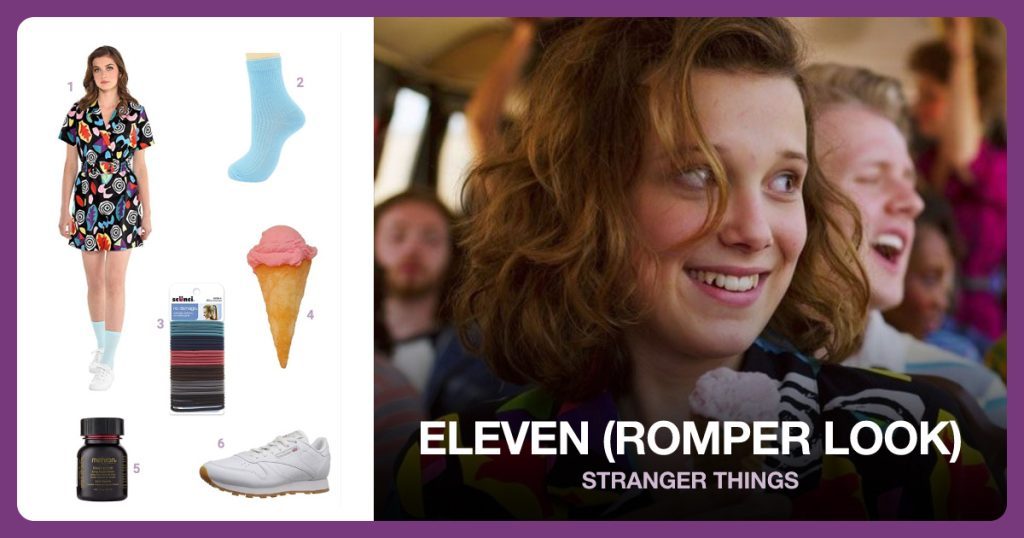 Make this costume
Eleven (Romper Look)
See the outfit, supplies and step-by-step guide.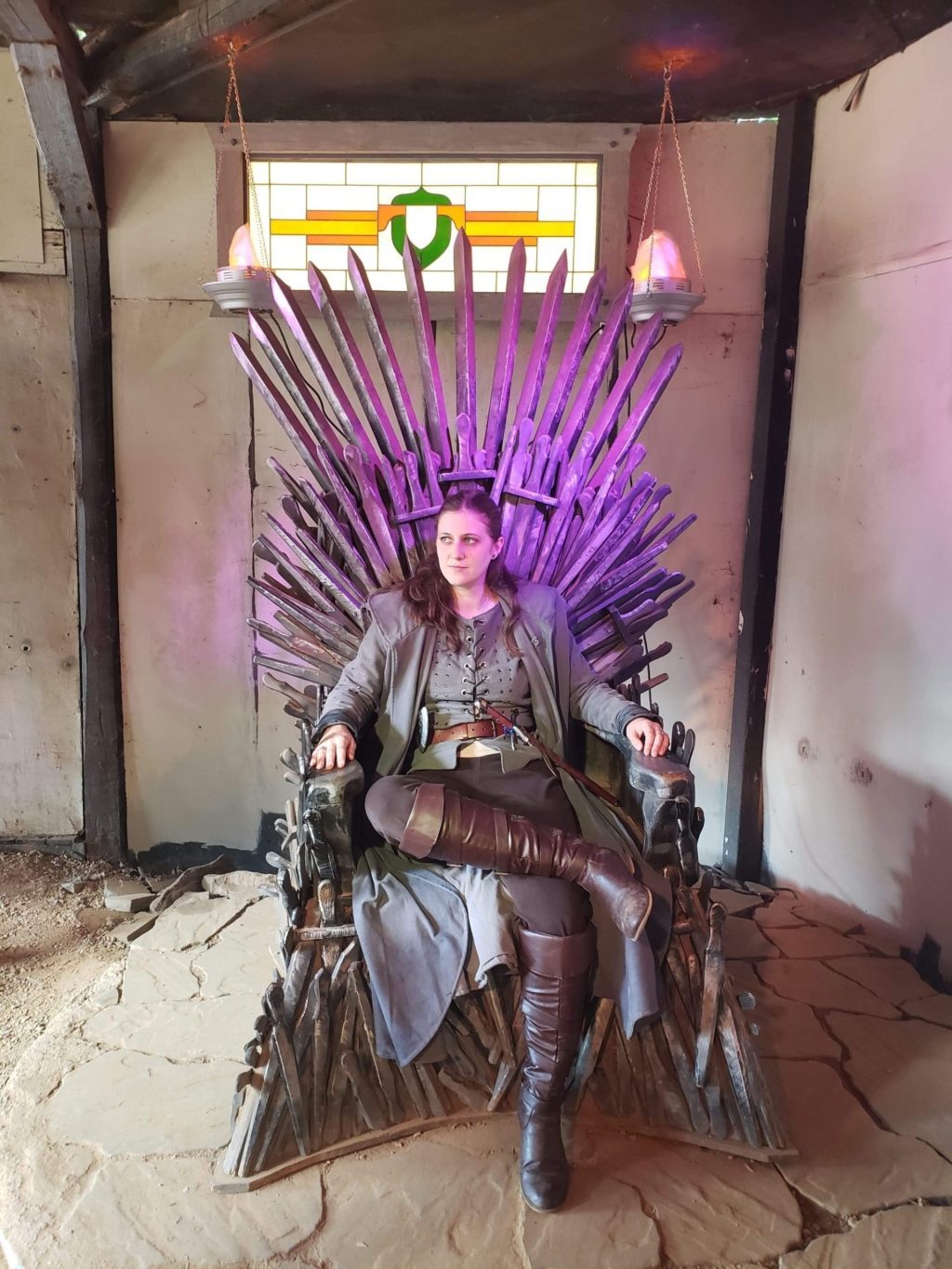
10. Yara Greyjoy
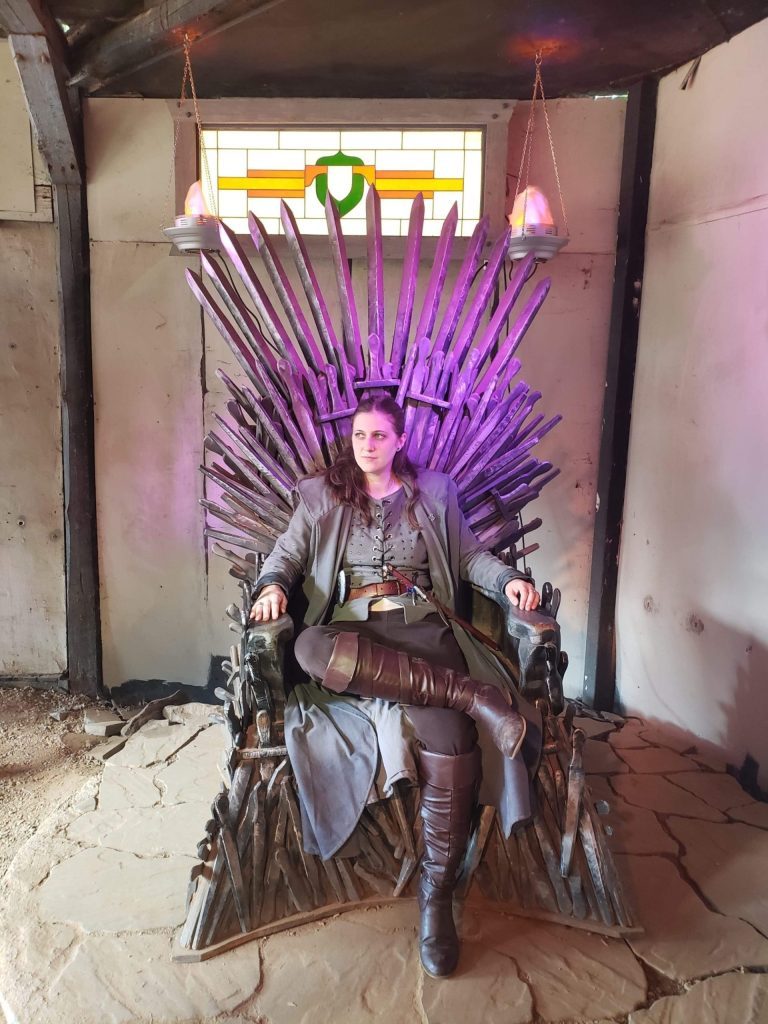
Amy Blumke’s Yara Greyjoy costume combines a dark, layered outfit with a dramatic throne setting. The clothing has a substantial, worn texture rather than a shiny party-costume finish. The seated pose lets the overlapping layers and laced details remain visible.
Amy describes working with wool, hand stitching, leather lacing, paint, and wax. Read her account if those material choices are the part you want to explore. For a smaller project, borrow the layered silhouette and one convincing surface detail before planning a large backdrop.
Entry submitted by Amy Blumke. View the original entry.
11. Cosmo and Wanda
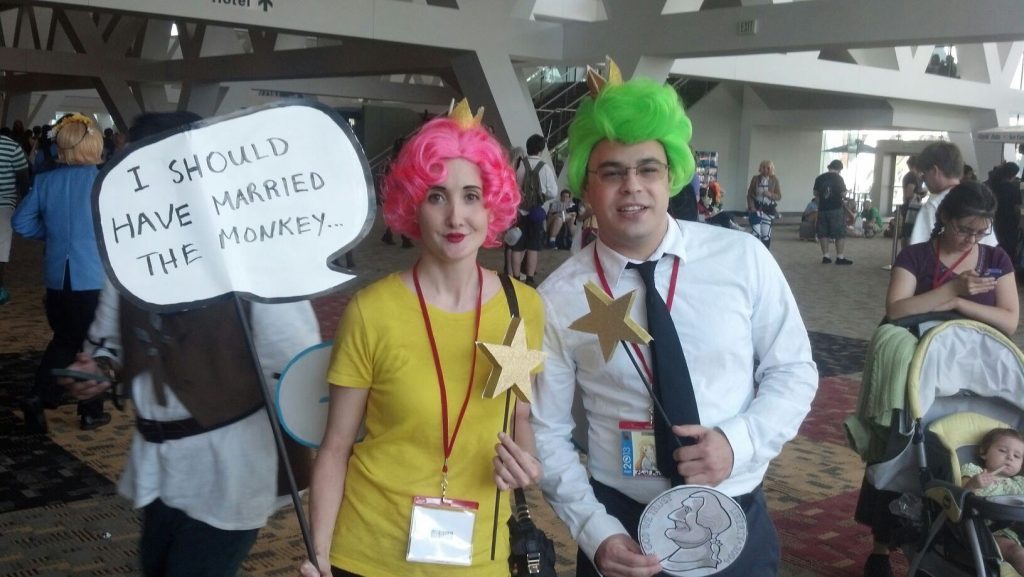
Crystal Trezza’s Cosmo and Wanda pairing starts with pink and green hair, then adds star-tipped wands and little crowns. The yellow top and white shirt let the brightly colored head details stand out. Each person has a separate role within one shared visual language.
Crystal says she created the costumes and their props, including the wings, crowns, and wands. Borrow the repeated shapes and the two-color hair plan. Make the crowns and wand stars feel related so the pair stays coordinated even when you stand apart.
Entry submitted by Crystal Trezza. View the original entry.
 Make this costume
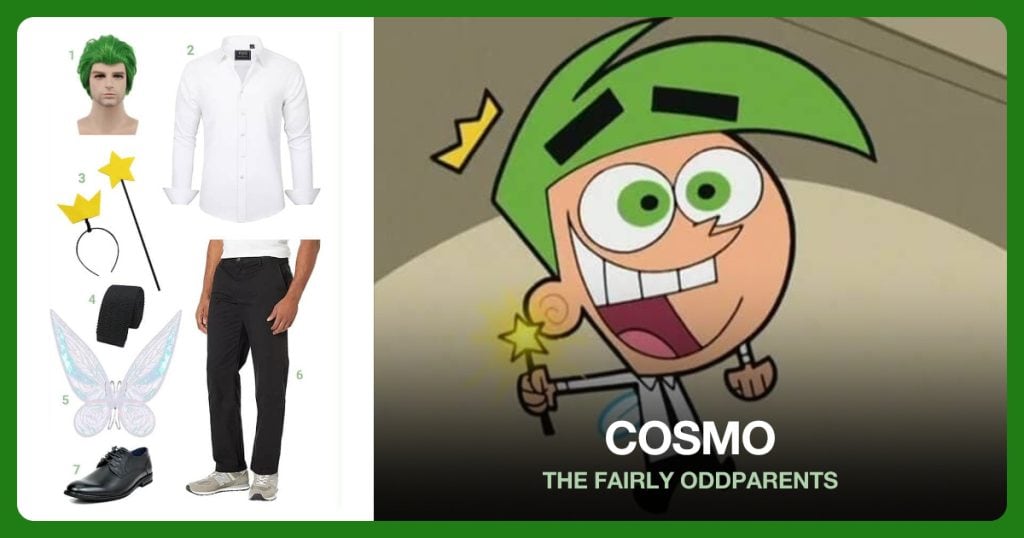
Cosmo
See the outfit, supplies and step-by-step guide.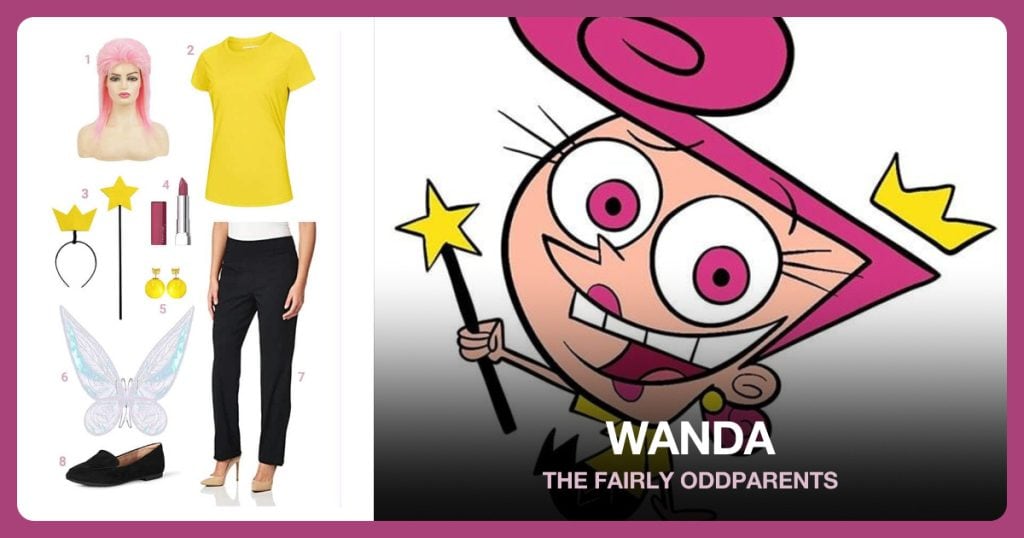 Make this costume
Wanda
See the outfit, supplies and step-by-step guide.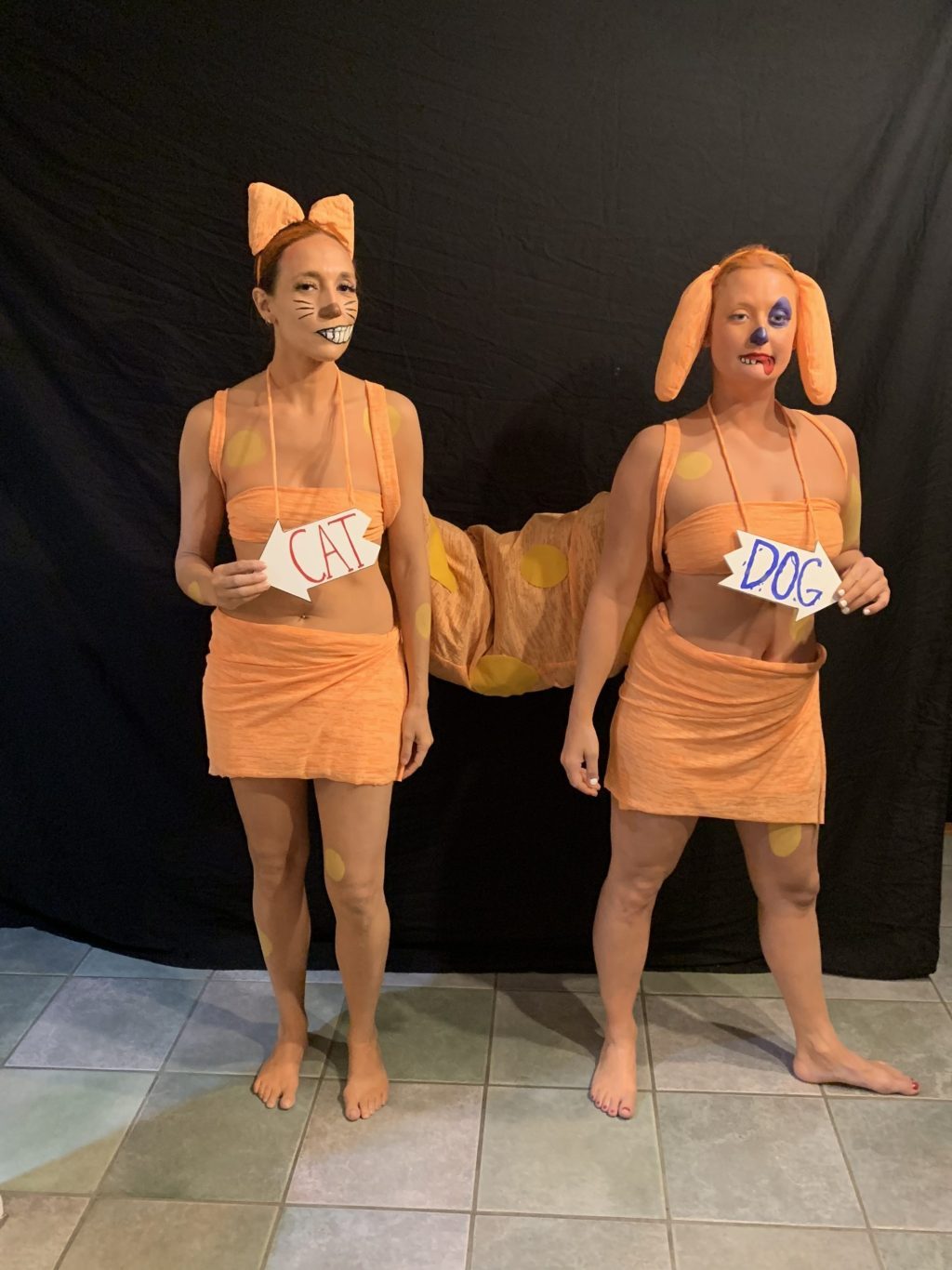
12. CatDog
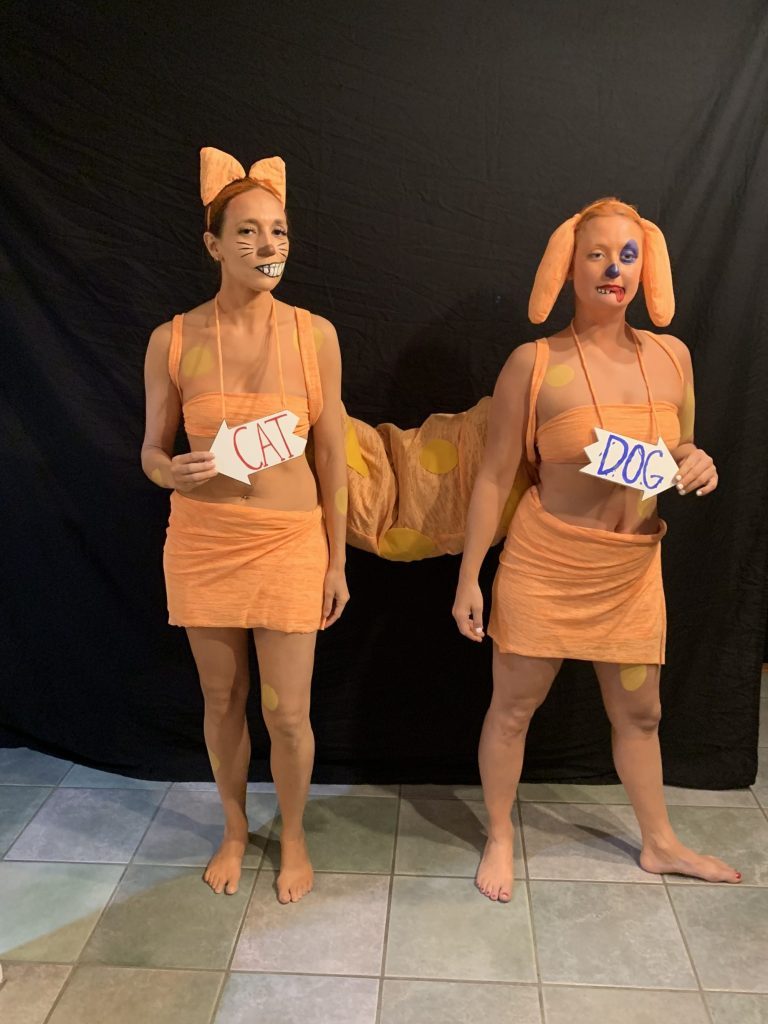
Laura Mager and a friend connect their CatDog costumes with a long orange body between two distinct heads. The cat ears and dog ears identify the ends, while the matching color keeps the two outfits reading as one cartoon creature.
Laura explains that they covered a flexible cat tunnel with fabric and felt spots, using straps at each end. This is a coordination project as well as a clothing project. Before copying the connected-body idea, work out how both people will turn, sit, and move together in the space you plan to visit.
Entry submitted by Laura Mager. View the original entry.
13. Carmen Sandiego
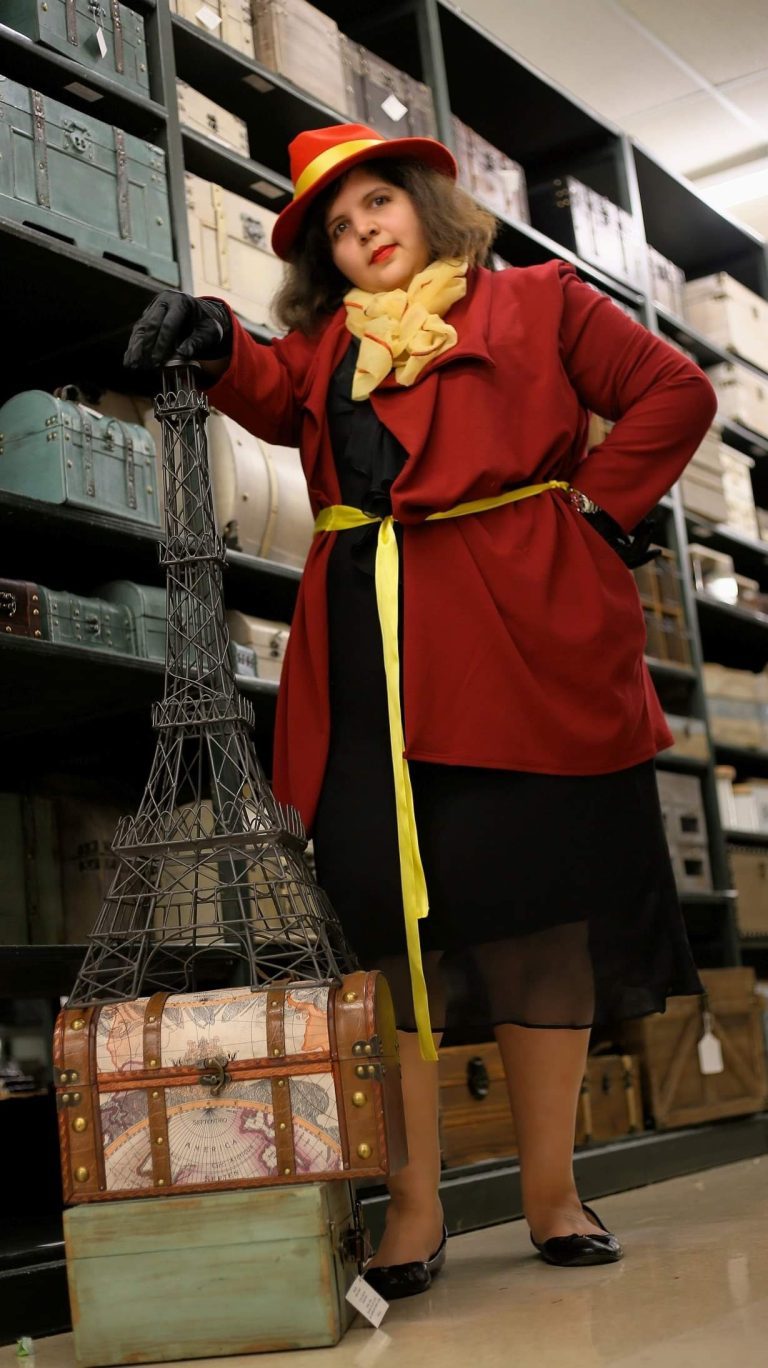
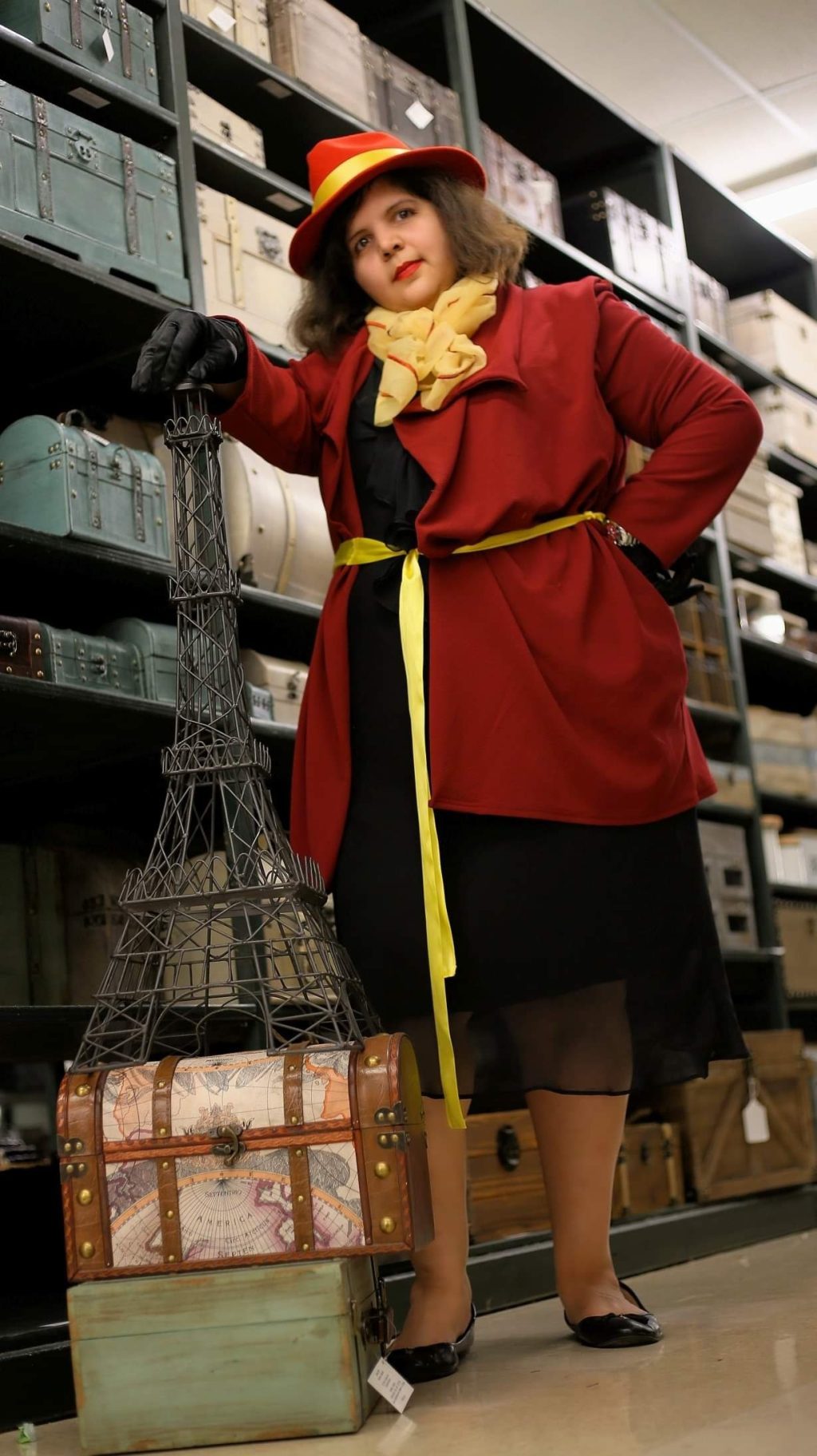
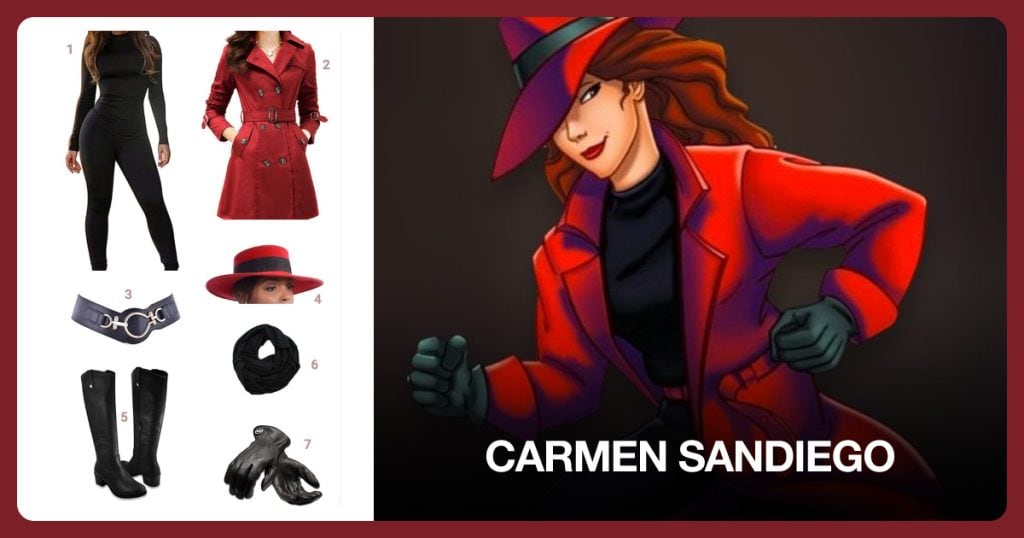
Samantha Swanson’s Carmen Sandiego outfit makes a red coat and fedora work together, with yellow accents at the hat, neck, and waist. Black clothing and gloves keep the strong red-and-yellow combination clear. The picture was taken by Mars Leon, whom Samantha credits in her account.
She began with a red hat from her grandmother, added a lightweight jacket, and changed the accents with ribbon. Borrow the idea of starting with a distinctive piece you already own, then repeating one accent color instead of collecting unrelated spy props.
Photo by Mars Leon; entry submitted by Samantha Swanson. View the original entry.
 Make this costume
Carmen Sandiego
See the outfit, supplies and step-by-step guide.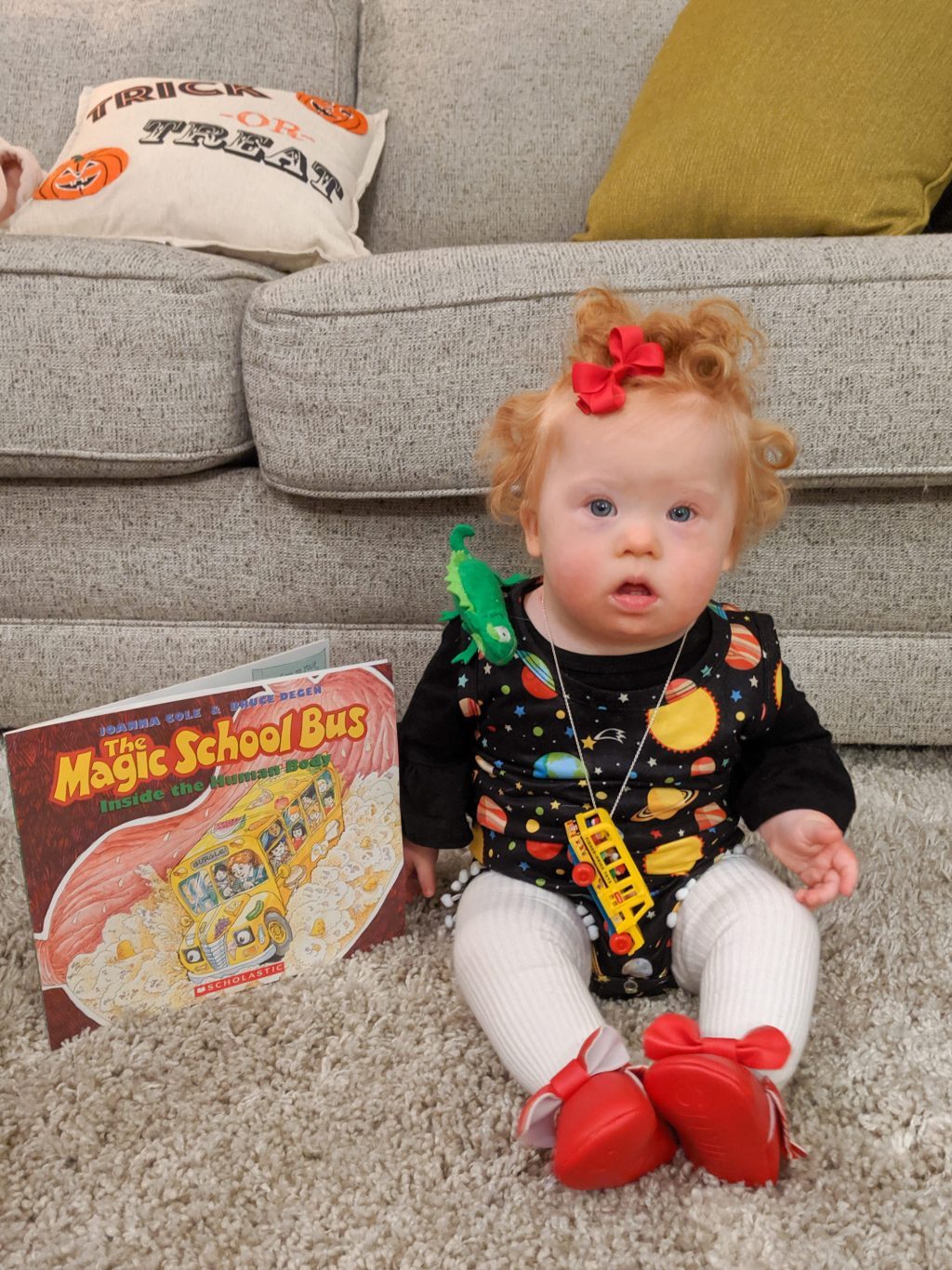
14. Ms. Frizzle
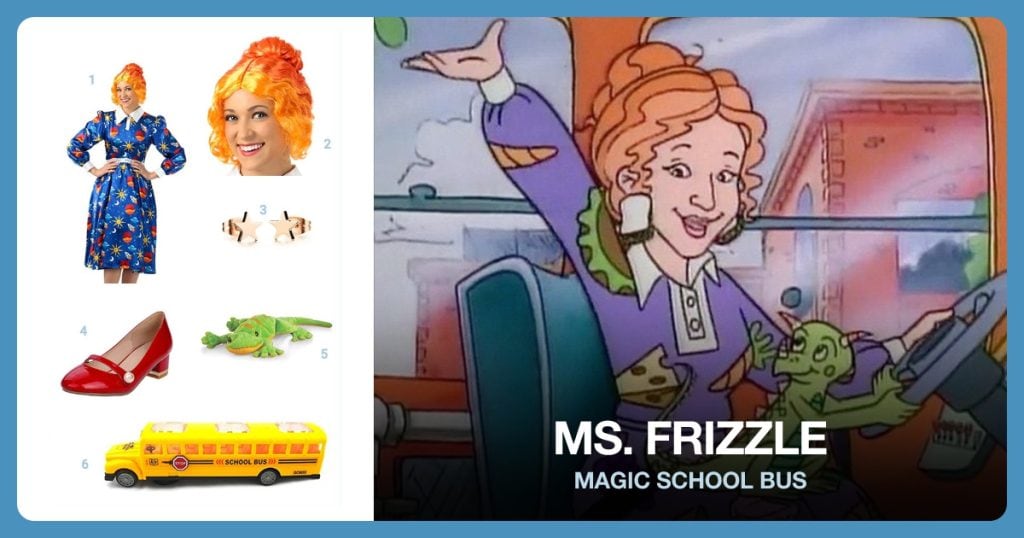
Haley Juback’s Ms. Frizzle entry puts a space-patterned dress beside a Magic School Bus book, with red shoes and a small green companion completing the theme. The planets and bright details carry the reference across the whole outfit rather than leaving it to a single badge.
Haley’s account says she made the chameleon after she could not find a suitable one. Borrow the themed print first, then choose one small companion or accessory. That gives you a focused making project without requiring you to construct every part of the costume.
Entry submitted by Haley Juback. View the original entry.
 Make this costume
Ms. Frizzle
See the outfit, supplies and step-by-step guide.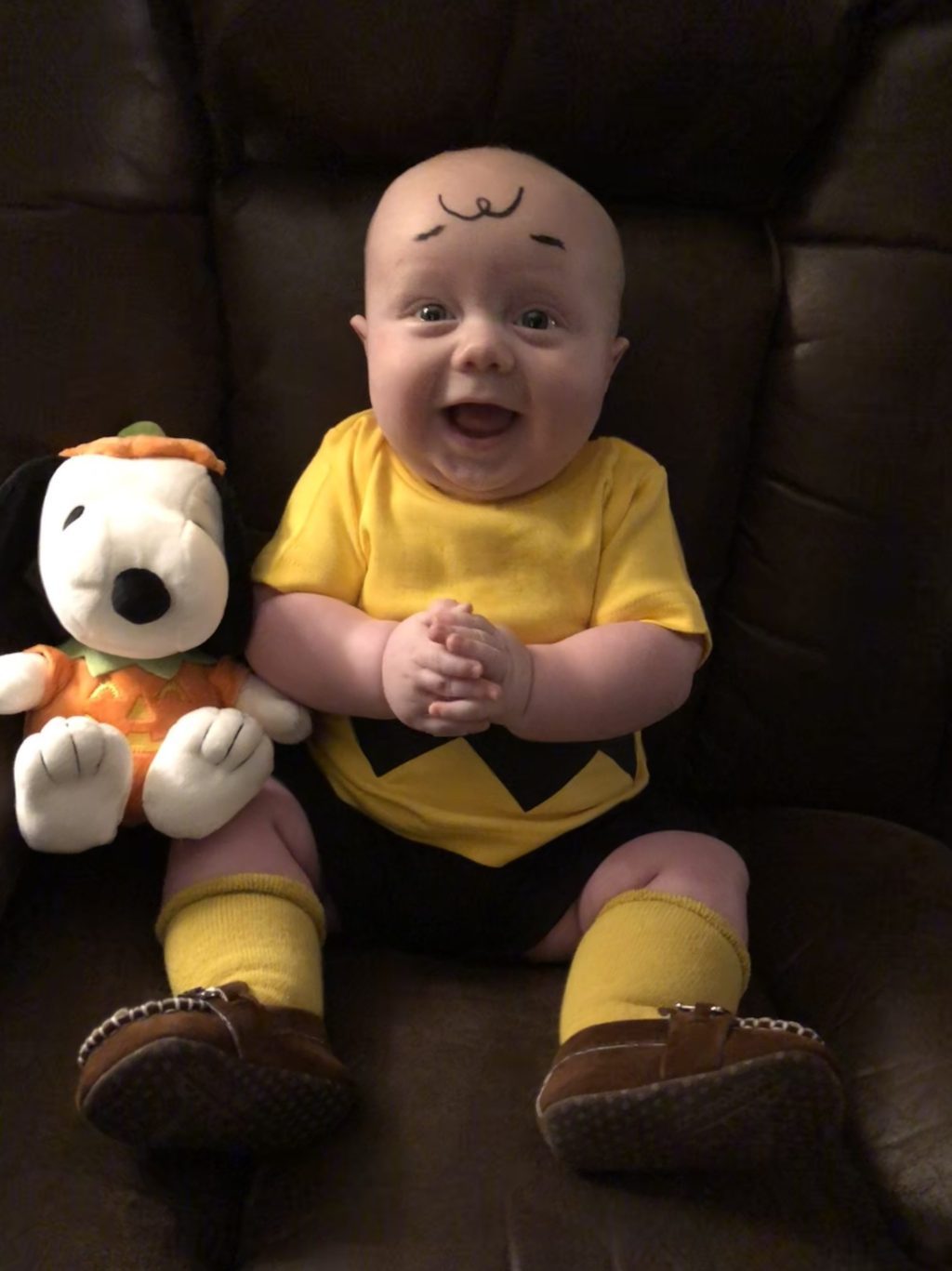
15. Charlie Brown
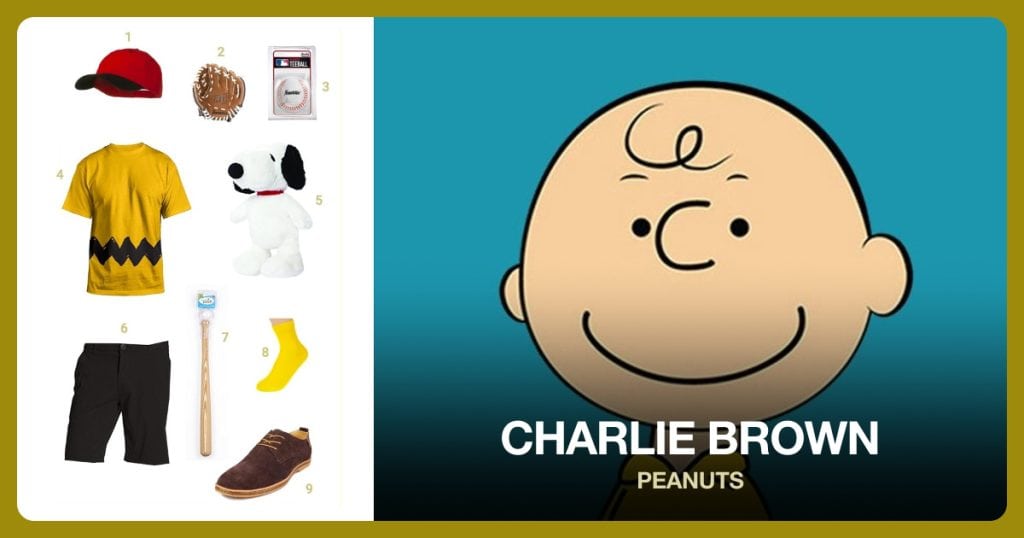
Theresa Smith’s Charlie Brown entry shows how much one graphic can communicate. A yellow top with a large black zigzag establishes the character, while the small curl detail and Snoopy companion reinforce the familiar combination. The outfit remains simple and uncluttered.
Theresa states that the costume was purchased. Borrow the recognition lesson rather than assuming every gallery look is homemade: a clear shape and color can matter more than a large amount of crafting. Choose the main garment before deciding whether an extra prop adds anything.
Entry submitted by Theresa Smith. View the original entry.
 Make this costume
Charlie Brown
See the outfit, supplies and step-by-step guide.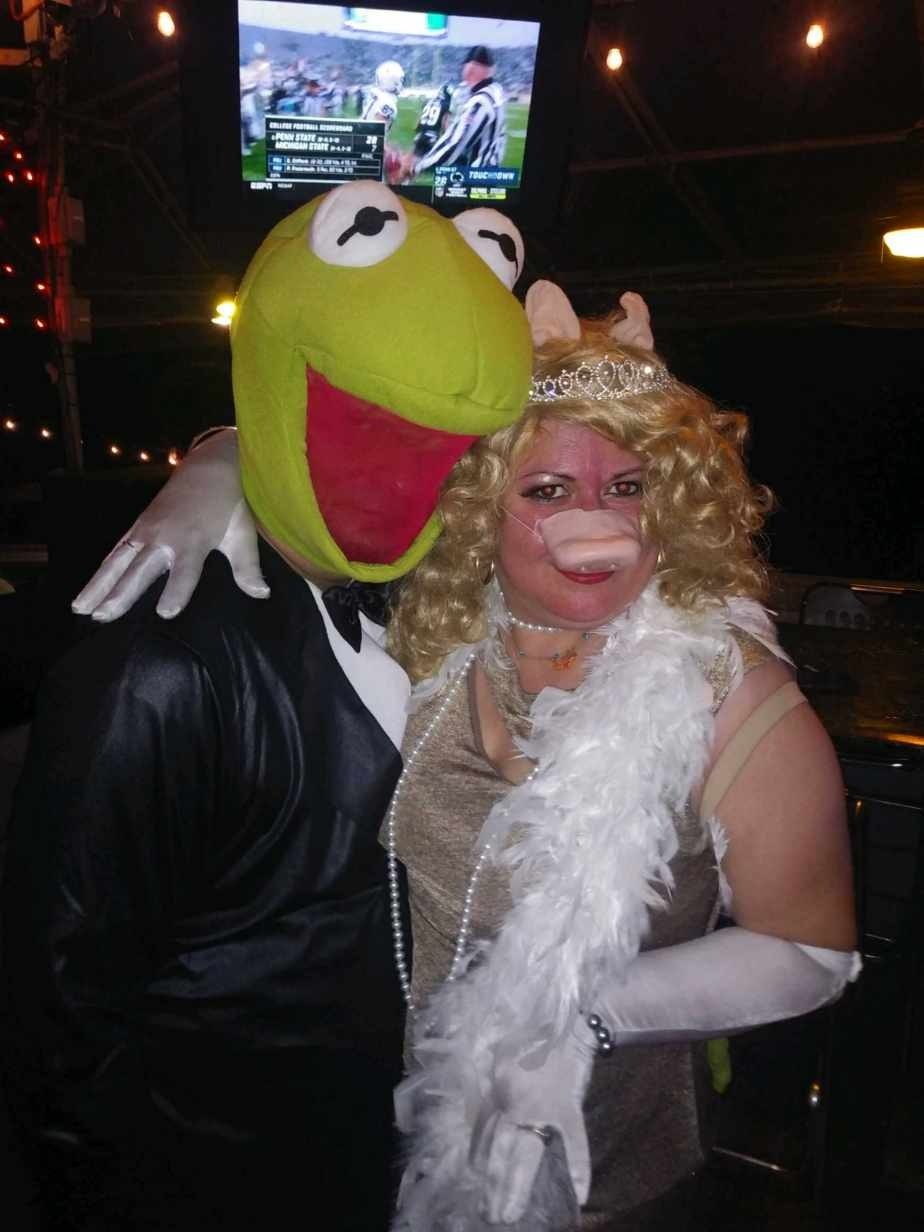
16. Kermit and Miss Piggy
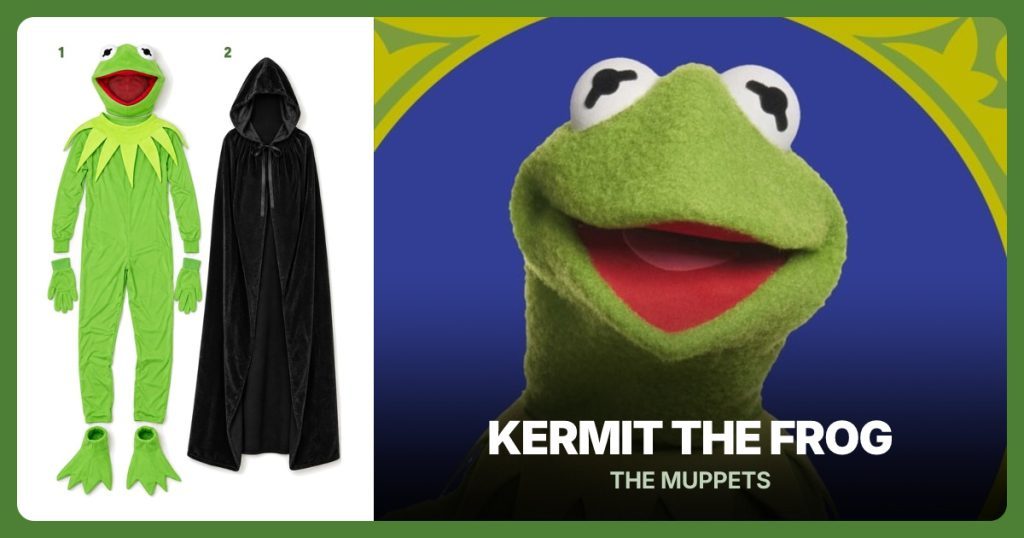
Reveka Karagiannis’s Kermit and Miss Piggy pairing gives each character a different head shape and clothing style. Kermit’s green face and light neck points contrast with Miss Piggy’s ears, blond hair, and dressed-up outfit. The shared Muppet idea holds together without matching clothes.
Borrow the difference between the silhouettes. Give each person one strong head detail and an outfit that supports it, then check the pair together in a photograph. A duo can be more convincing when the two roles deliberately look unlike each other.
Entry submitted by Reveka Karagiannis. View the original entry.
 Make this costume
Kermit the Frog
See the outfit, supplies and step-by-step guide.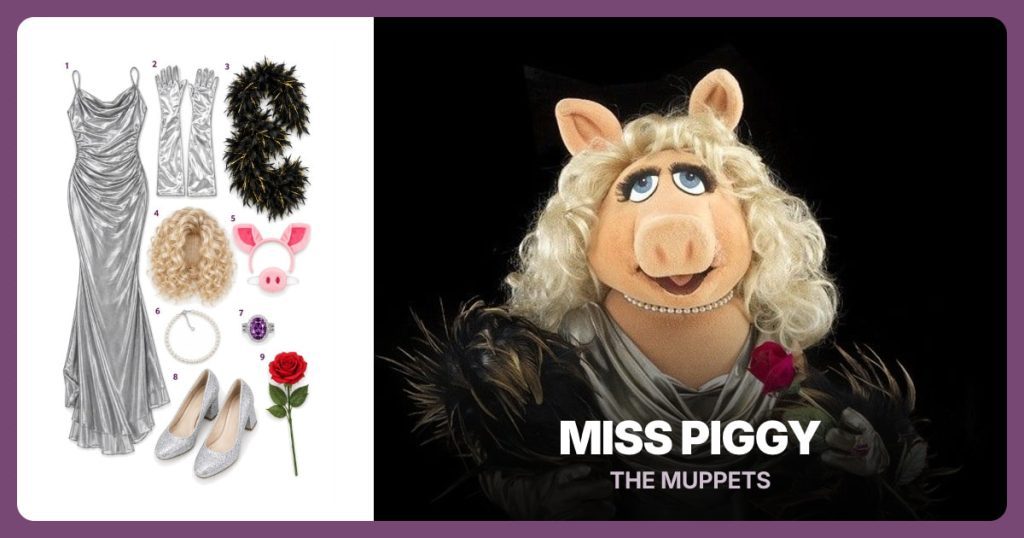 Make this costume
Miss Piggy
See the outfit, supplies and step-by-step guide.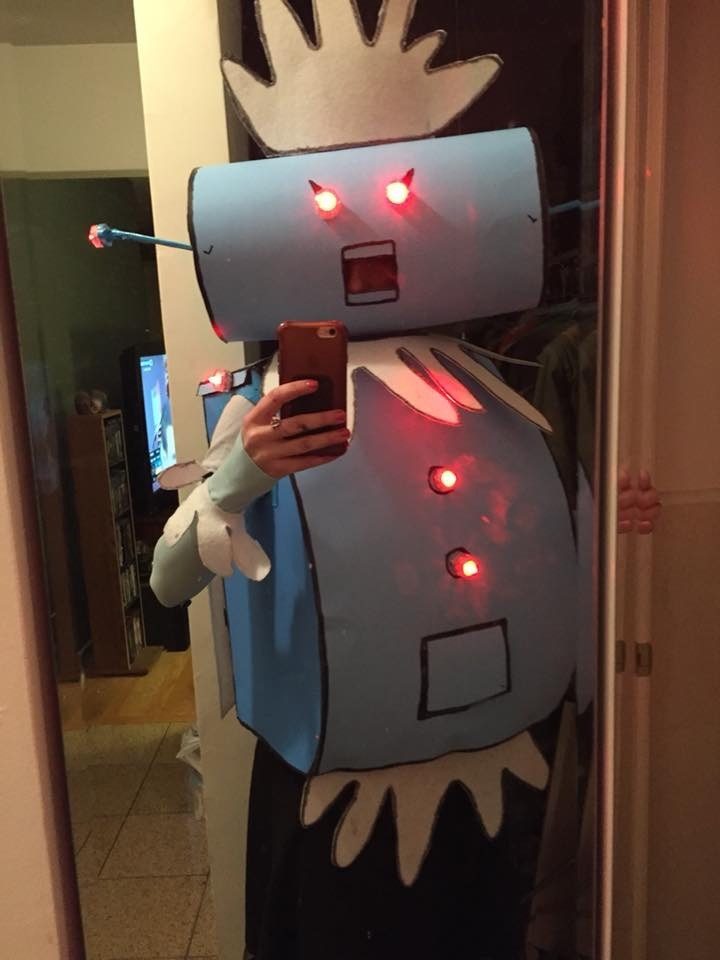
17. Rosie the Robot
Kristina’s Rosie entry uses a boxy blue body, a wide cylindrical head, red light details, and pale apron-like shapes. The flat planes make the robot form readable while the softer white pieces add the maid reference.
The maker’s account mentions a vacuum hose and light effects. Borrow the broad head-and-body shapes before deciding whether to add working features. A plain shape that stays recognizable while you move is a useful first goal for a more elaborate robot build.
Entry submitted by Kristina. View the original entry.
18. The Jetsons
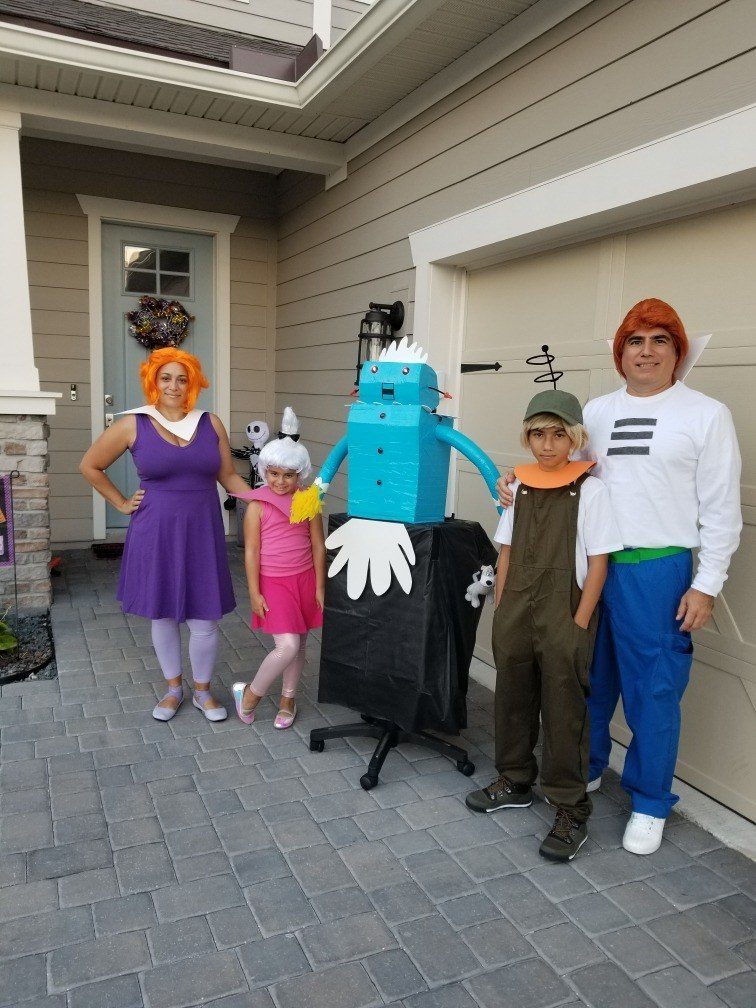
Tara Carrero’s Jetsons entry brings several costume shapes into one photo: a purple dress, a pink-and-white outfit, a blue robot, a small green-and-orange look, and a white top with an oversized light collar. Different outlines keep the cast from becoming one repeated costume.
Borrow the idea of assigning silhouettes before making accessories. Decide who needs a broad collar, a simple dress, a compact cap, or a constructed robot body. A mixed-effort group lets each person choose the amount of making they actually want to do.
Entry submitted by Tara Carrero. View the original entry.
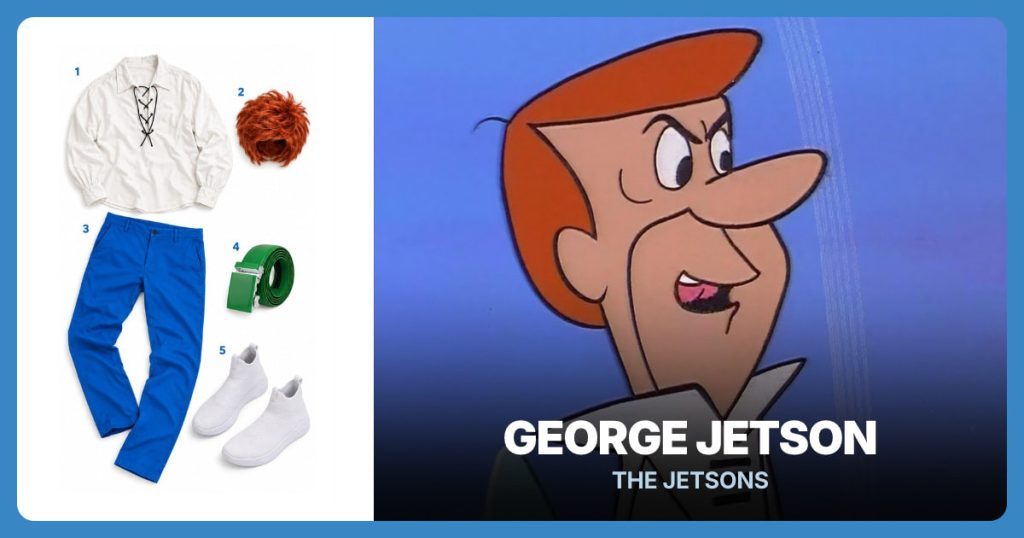 Make this costume
George Jetson
See the outfit, supplies and step-by-step guide.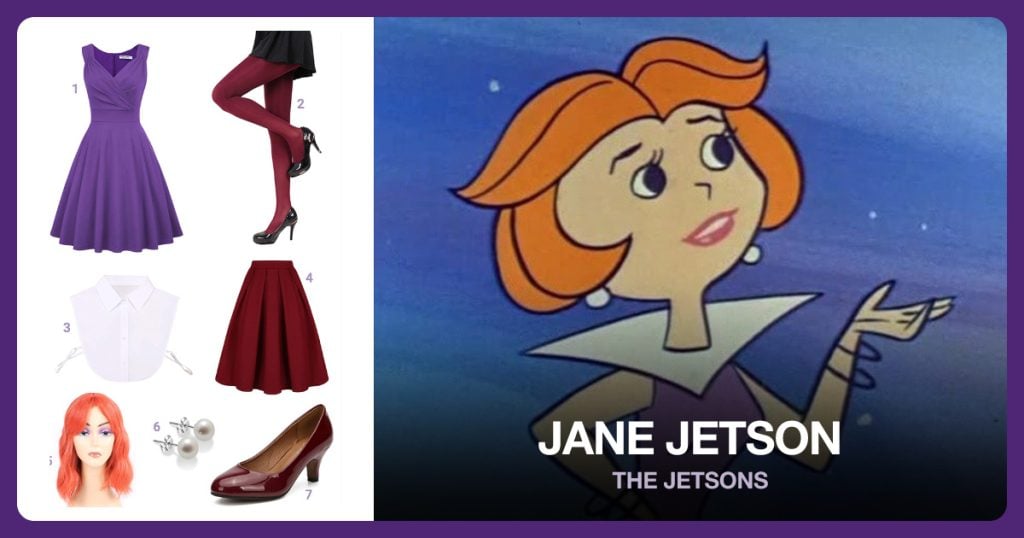 Make this costume
Jane Jetson
See the outfit, supplies and step-by-step guide.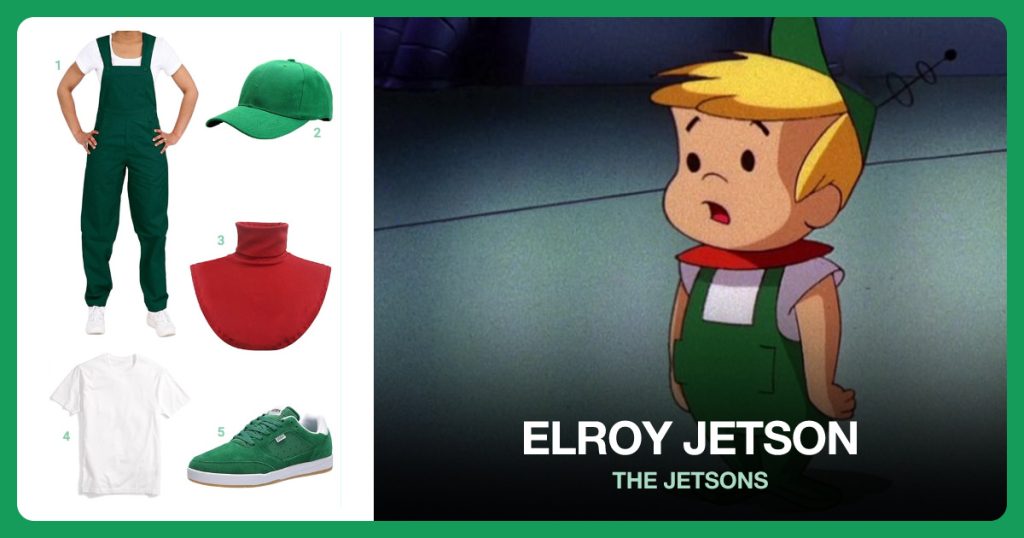 Make this costume
Elroy Jetson
See the outfit, supplies and step-by-step guide.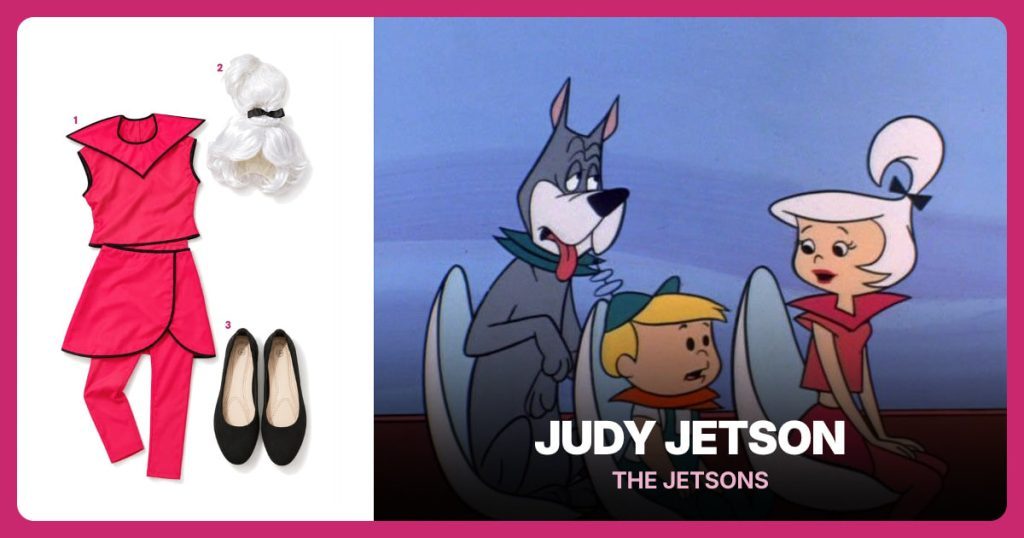 Make this costume
Judy Jetson
See the outfit, supplies and step-by-step guide.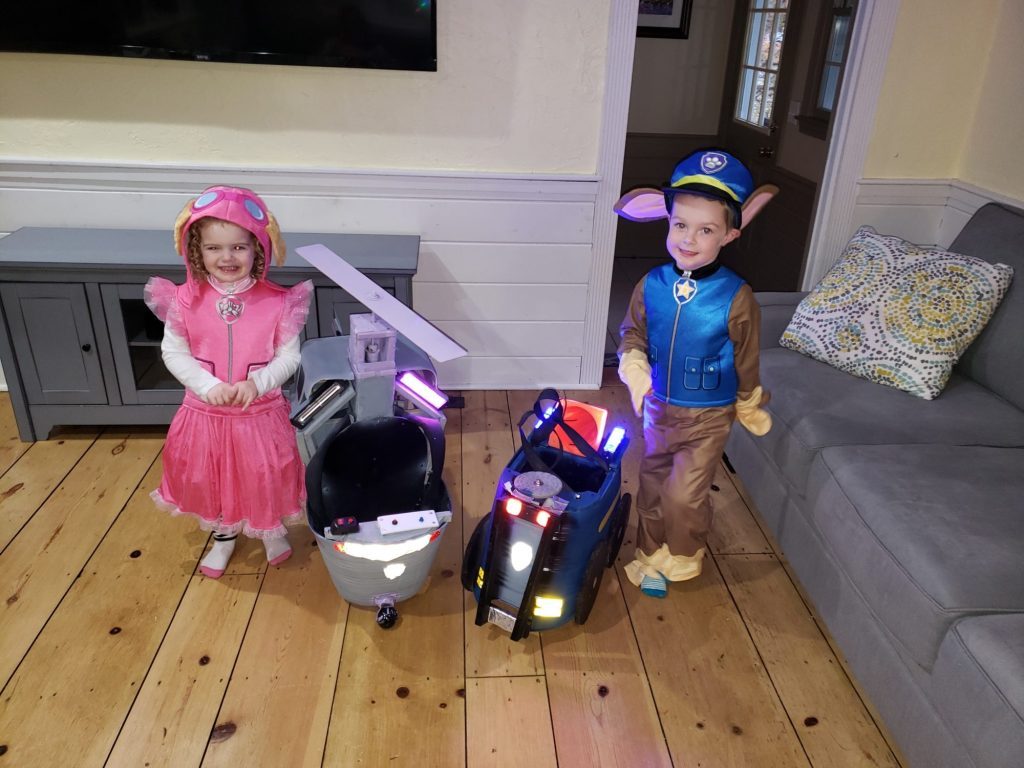
19. Chase and Skye with their vehicles
Mike Torilli’s Chase and Skye entry puts two children in blue-and-pink character outfits alongside coordinated police and helicopter builds. The vehicles repeat the colors of the wearers, making each child’s role clear without giving both builds the same shape.
Mike describes creating the vehicles with light and sound features. Borrow the color relationship even if you skip the larger construction. Complete the wearable character outfit first, then decide whether a separate vehicle prop is the project your time and space can support.
Entry submitted by Mike Torilli. View the original entry.
20. Kelly Clarkson’s Voice chair
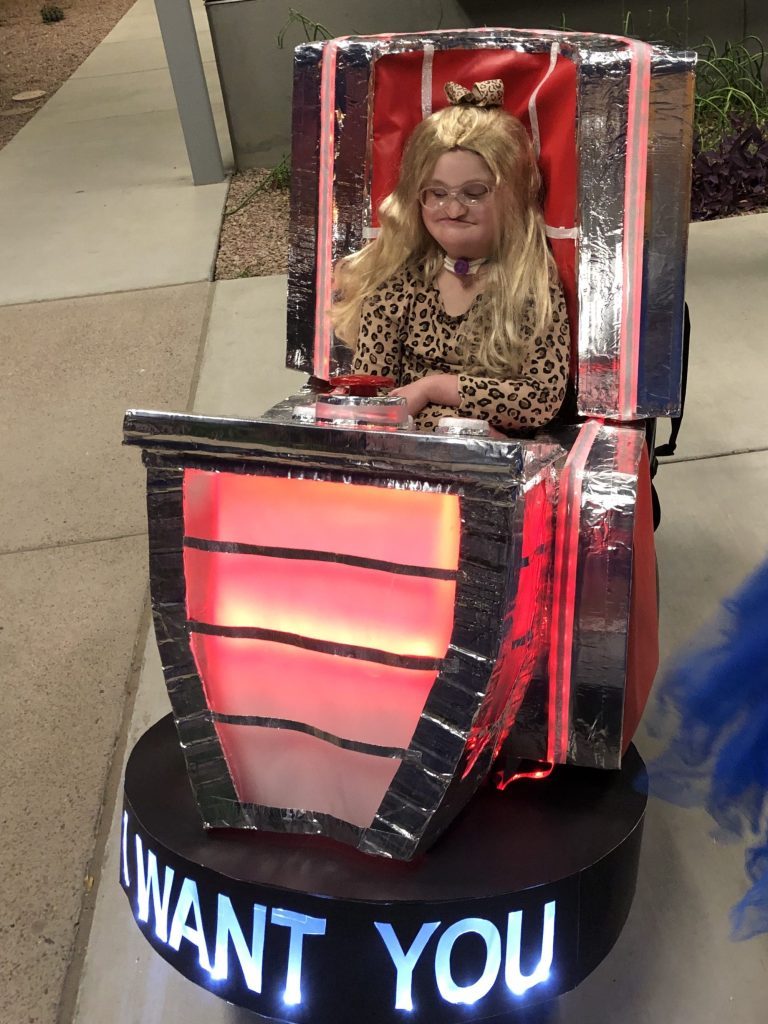
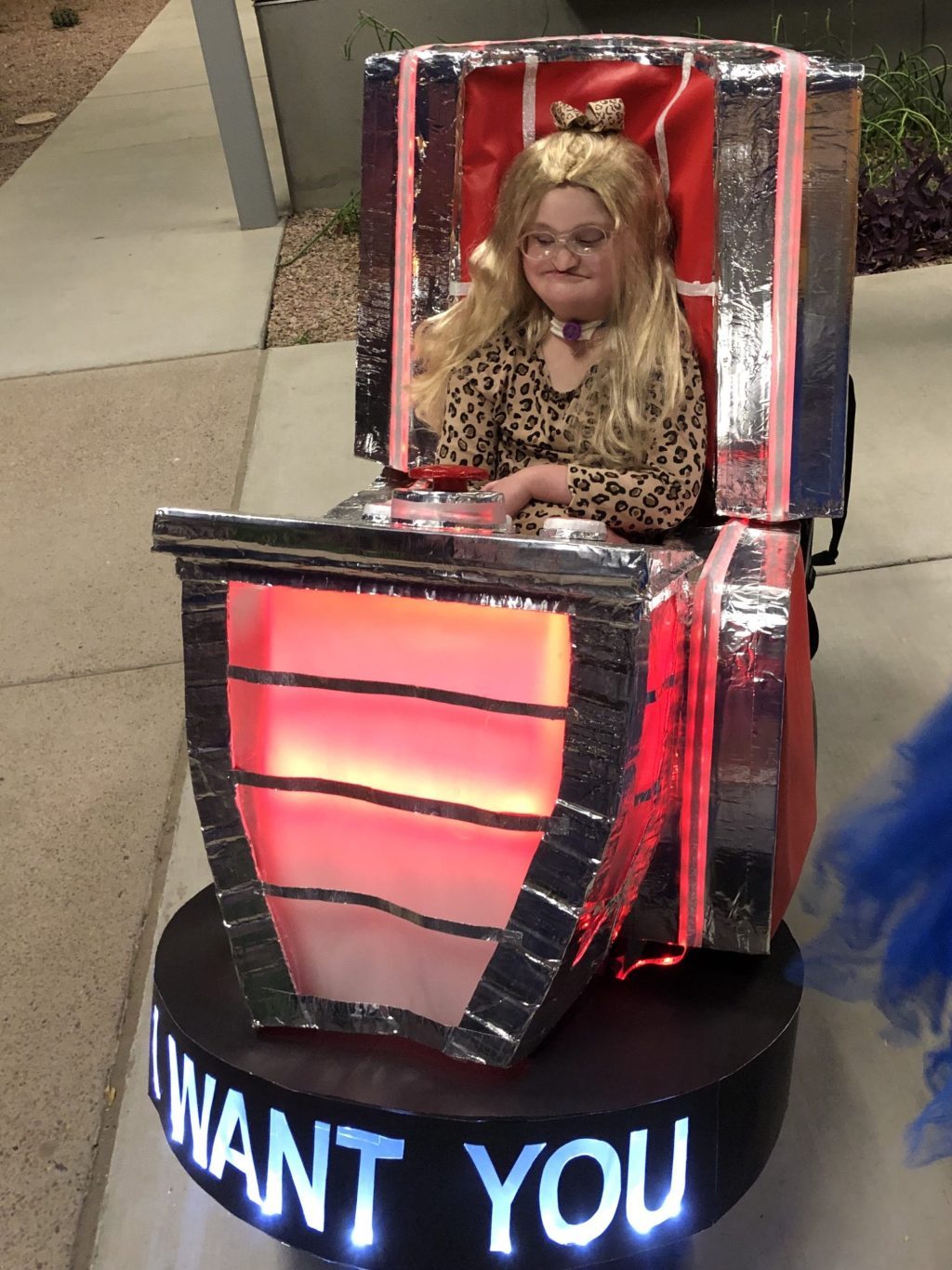
Cathy Vander Meulen built this television-coach idea around her daughter’s wheelchair. The red chair shape, dark frame, illuminated panels, and large front lettering make the setting part of the costume. The wearer stays central to the scene rather than being hidden behind a separate backdrop.
Cathy’s account describes color-changing lights and a voice button. Borrow the way a familiar setting can carry a costume idea, and plan the design around the actual wearer and chair from the start. Read the original account for the features she chose to include.
Entry submitted by Cathy Vander Meulen. View the original entry.
Choose the part you want to make
These entries range from a graphic shirt to a wearable setting. Pick the kind of project you will enjoy finishing, rather than assuming the largest build is the right one.
Start with a strong garment
Lucy’s dress and apron, Carmen’s coat, and Bob Ross’s denim outfit each give you a clear clothing base. Look through what you already own, then identify the single missing piece that would make the combination specific.
Give one motif enough space
Gilly’s hearts and Charlie Brown’s zigzag work because the shapes are large and easy to read. Before attaching a repeated decoration, arrange it on the garment and photograph it from a few steps away.
Divide a group by roles
Mystery Inc. and the Jetsons show how different colors and silhouettes can coordinate. Write down each person’s main garment and head detail, then check the lineup together before everyone buys accessories.
Make the setting a separate decision
A throne, vehicle, or television chair can become a substantial project of its own. Decide whether you want that construction work, and finish the wearer’s outfit before letting the backdrop take over the plan.
Make your own version wearable
Use the gallery photo to choose a direction, then fit the idea to your own clothes, group, and event. Our costume dress rehearsal checklist helps with the final try-on.
A polished photo may represent a bought outfit, a few alterations, or a substantial build. The original entry gives you the contributor’s explanation where they supplied one.
TV costume planning questions
Are these costumes from Costume Wall’s own gallery?
Yes. Every numbered idea links to a reader-submitted entry in our Halloween costume gallery and credits its contributor. Carmen’s entry also retains the photographer credit supplied in the original account.
Which ideas start with everyday clothes?
Bob Ross, Kevin Malone, and several Mystery Inc. roles can begin with familiar shirts, trousers, or dresses. Compare the defining colors and accessories before assuming you need a complete costume set.
What if I want a project without a large prop?
Look first at Lucy, Gilly, Carmen, or Charlie Brown. Their clothing carries much of the reference. You can concentrate on a print, neckline, or color combination instead of building a vehicle or setting.
How do we keep a group from looking too similar?
Assign different colors or silhouettes to the roles. Mystery Inc. is a useful example: each character keeps a separate outfit color, while the group shares one recognizable theme.
Do the linked guides exactly reproduce each reader’s costume?
No. They are separate outfit references for the character. The gallery account explains that contributor’s finished costume; a guide helps you assemble your own interpretation.
Should I buy the wig or the clothes first?
Choose the version and compare the full outfit first. Buy or reuse the piece that carries the strongest clue, then try the wig and headwear with it. A wig alone will not resolve an unclear clothing reference.
Can I borrow one detail instead of copying the whole build?
Yes. Use a color relationship, a repeated motif, or a strong silhouette as a starting point. Credit the original maker when sharing a close recreation, and explain your own changes rather than presenting their work as yours.
Where can I see more costumes from television?
Browse the gallery’s TV Shows category. Open an entry to read the contributor’s story and see the available photos, then use the character guide when you want another outfit reference.
Gallery photos and outfit references
Read the original entry
The photo credits and original links sit beneath every idea. The gallery preserves the maker’s own account where one was supplied. Browse all the entries in TV Shows or explore the full Halloween costume gallery.
Use the guides for your next step
The costume cards link to separate Costume Wall guides. They can help you identify clothing and accessories for your own version. Our observations and planning suggestions here are editorial advice, not additional claims about how a contributor constructed an outfit.
Pick the detail that makes you want to start
It might be a red fedora, a big black zigzag, a pair of star-tipped wands, or an entire television chair. Choose the part that excites you, then build a plan around the clothes, people, and time you actually have.
Read the linked maker account, try the main pieces together, and take a photograph before adding more. The gallery is full of different approaches; the useful one is the idea you can turn into a costume you will enjoy wearing.