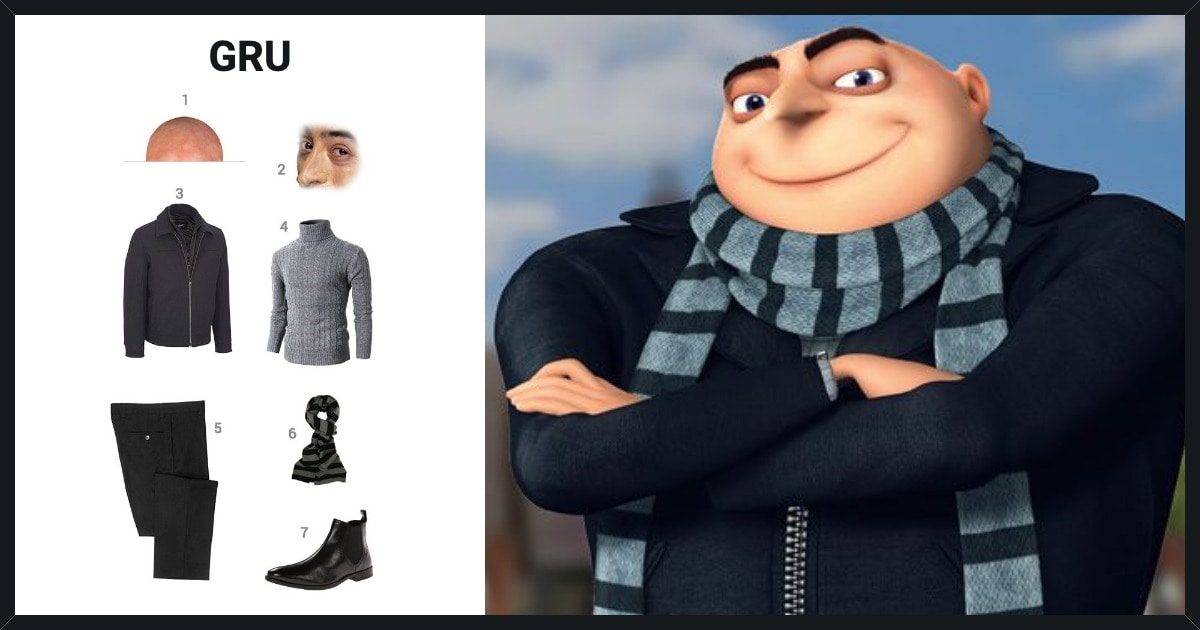
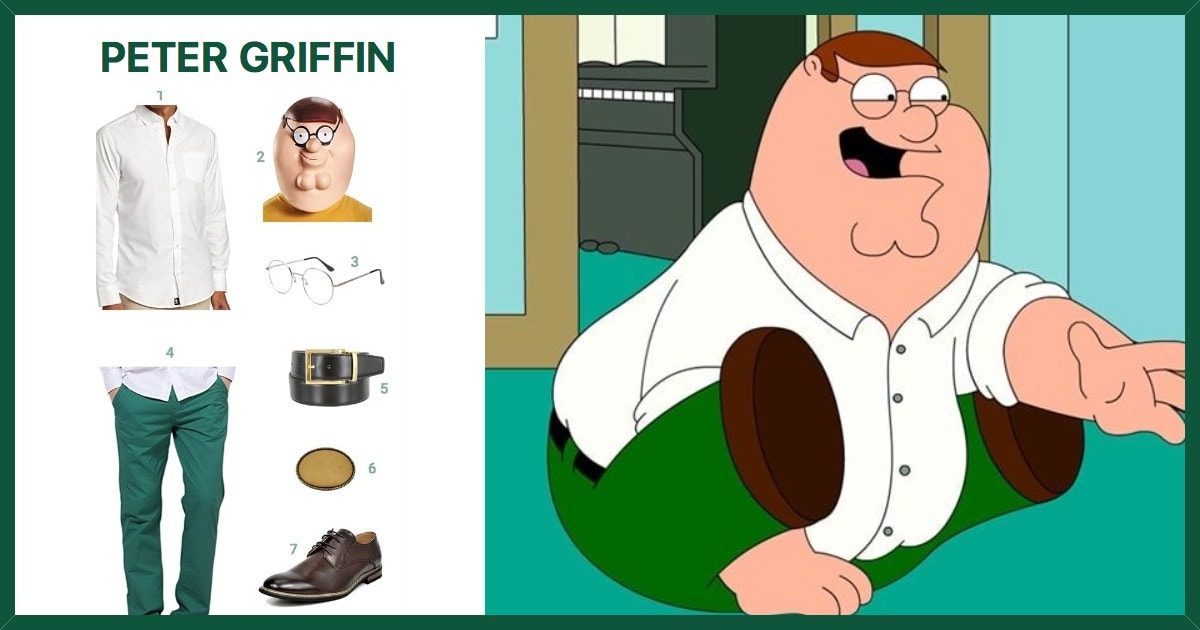
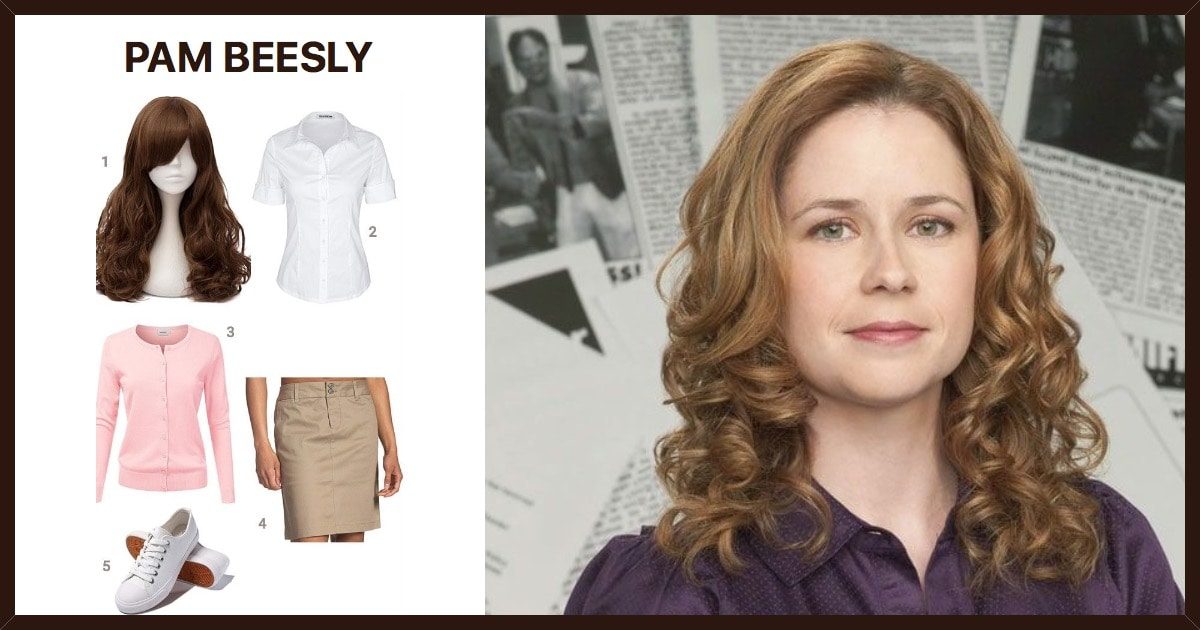
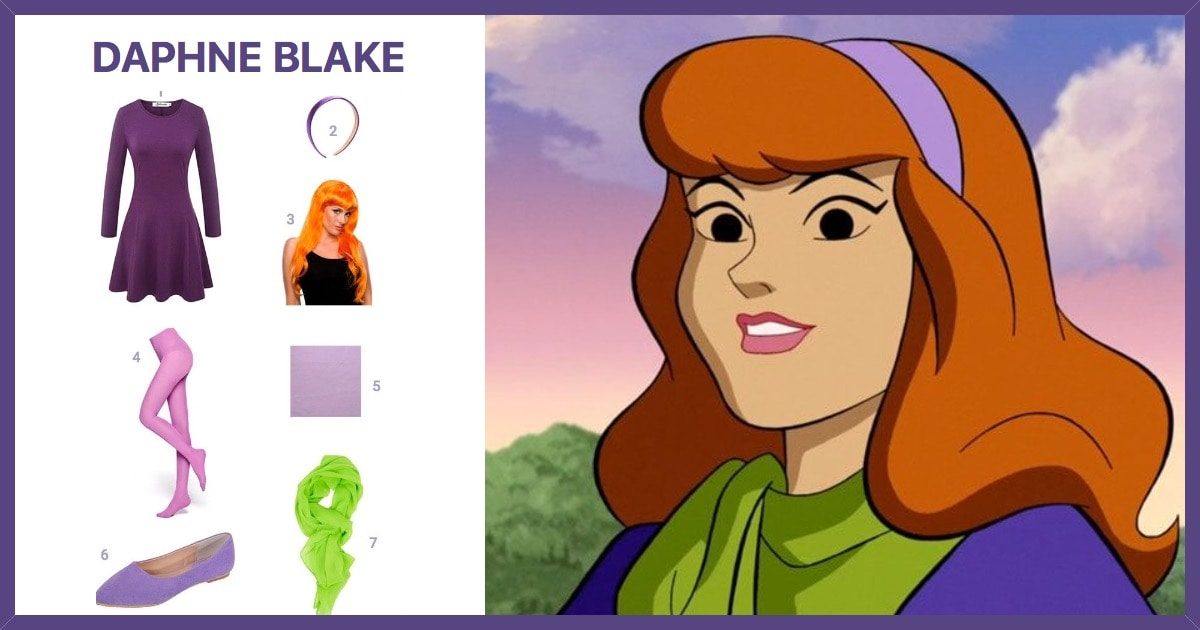
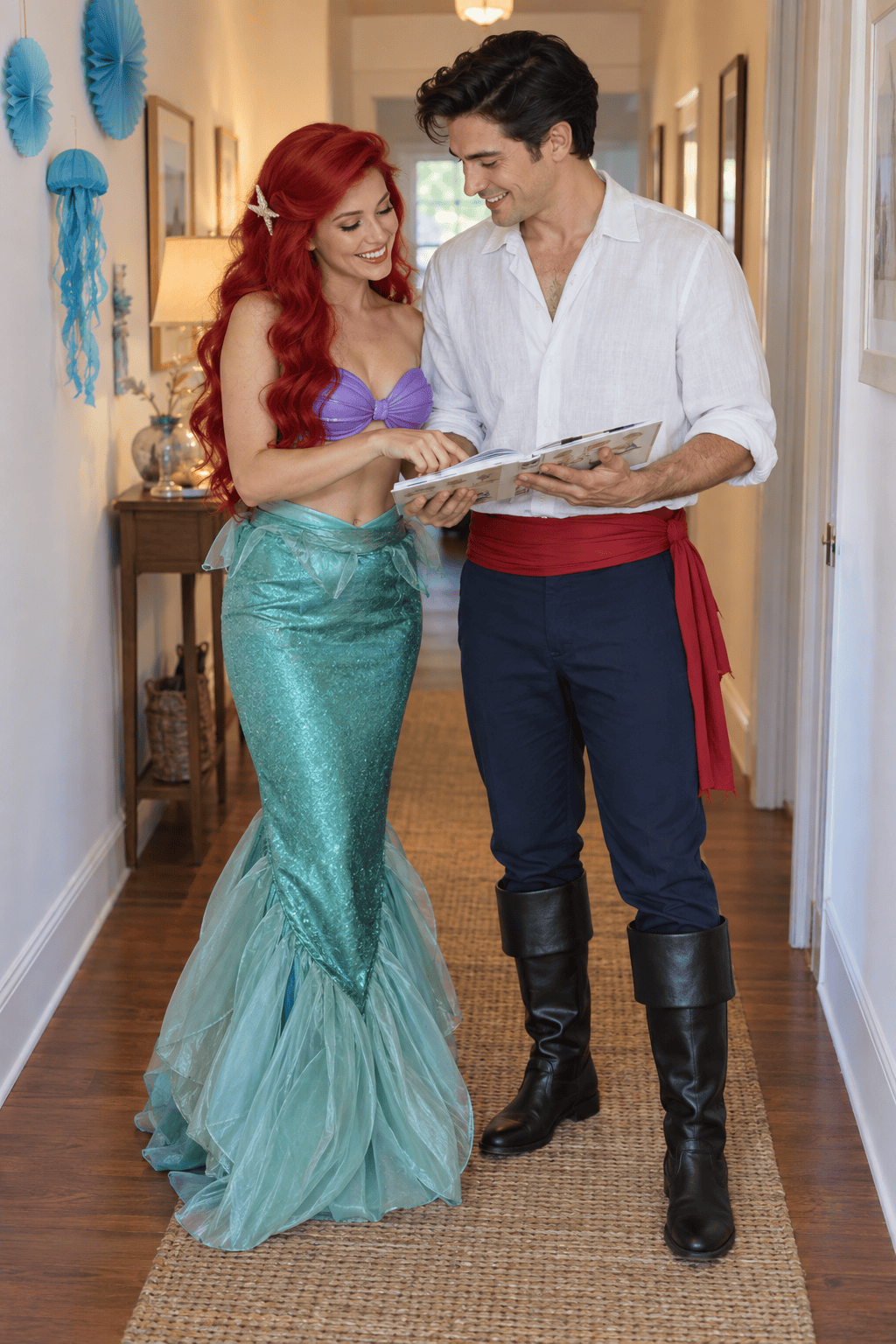
Two costumes feel intentional when the story is clear and the practical details are settled before the event.
Choose the relationship first
Decide whether you want a canonical romantic couple or a compatible duo. That one choice keeps the copy, pose and accessories honest, especially for pairs such as Fred and Daphne or Mario and Peach.
Open both guides before buying
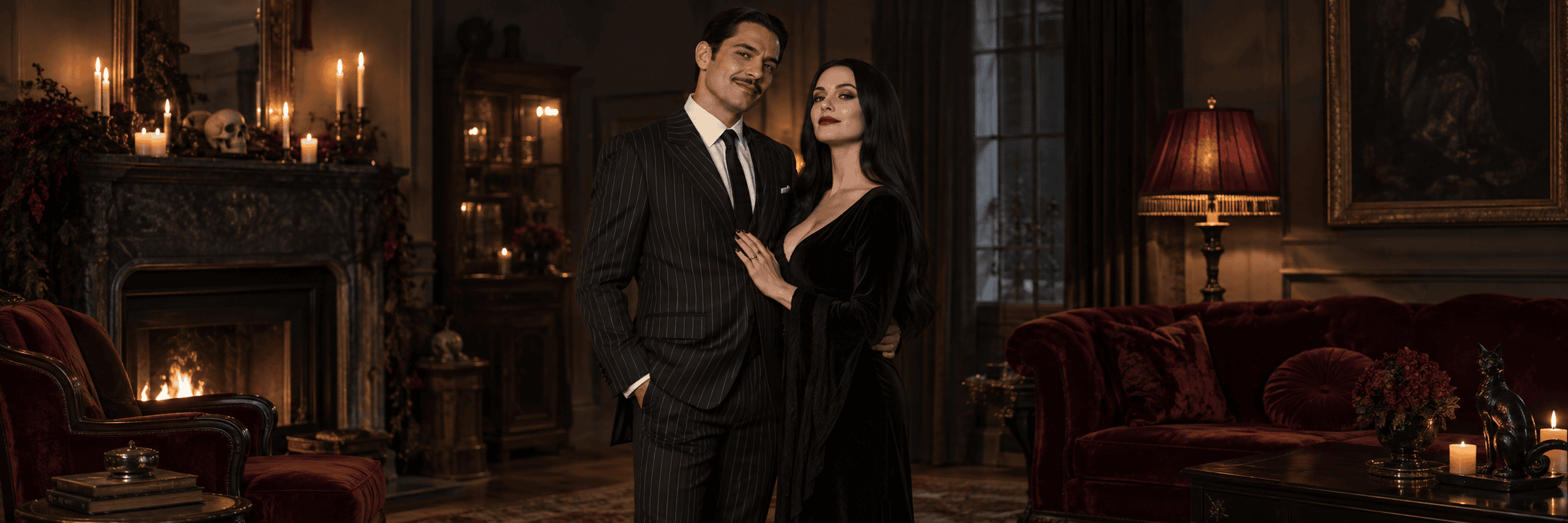
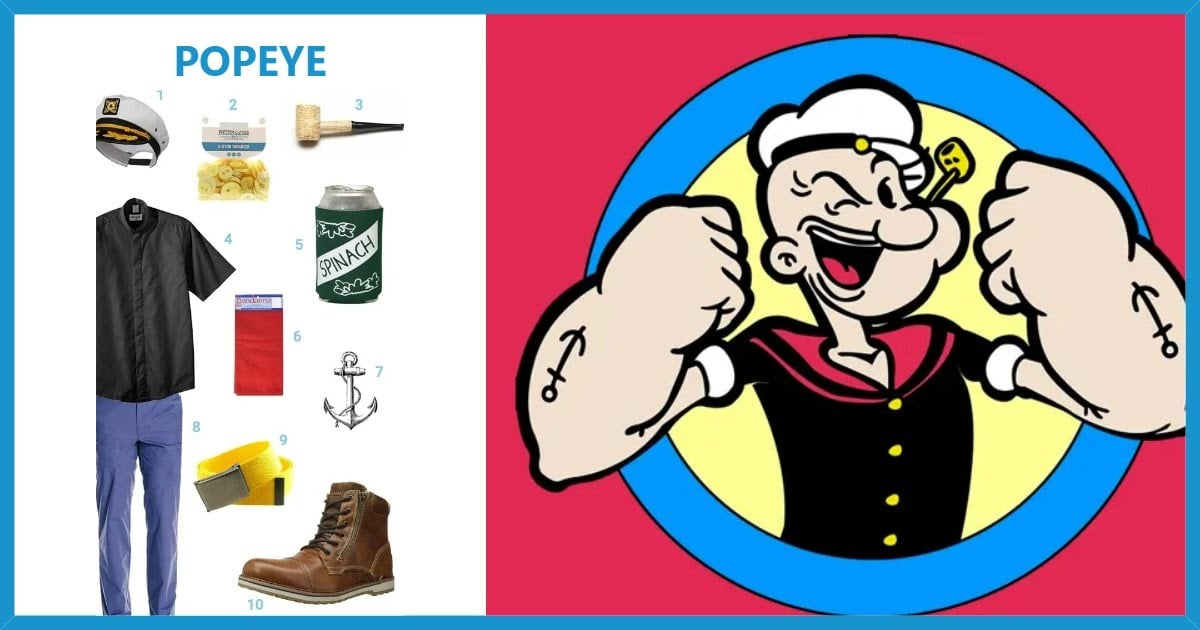
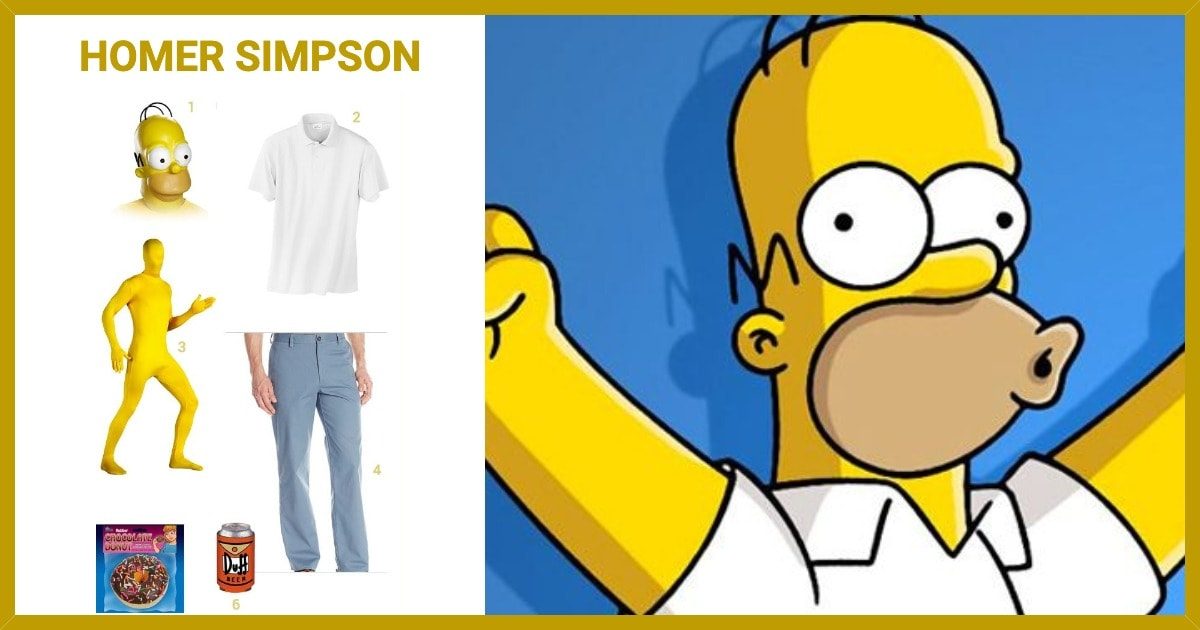
Read both published item lists and look at the kit images. Start with the signature pieces—Gomez’s pinstripes, Morticia’s black dress, Ariel’s red hair or Eric’s red sash—then fill in ordinary layers.
Give the pair one shared cue
Repeat one color, era or prop language rather than matching every garment. Han and Leia share a space-western palette; Jim and Pam share an office setting and simple name-tag details.
Coordinate preparation levels
A pair can mix a few specific pieces with a full transformation. Agree on the difference ahead of time and make sure the simpler look has one strong character cue, so it feels deliberate.
Budget the pair together
Set a shared ceiling before anyone orders. Spend first on the pieces that establish the character, then decide whether optional props, makeup or a wig are worth the remaining budget; equal spend is not required.
Coordinate the story version
Some characters have several published looks. Pick the same era or adaptation when the pair depends on it, and name the choice in your plan—such as animated Eric with the classic Ariel guide—so the contrast is intentional.
Keep roles open to everyone
The guide’s role labels describe the character, not who is allowed to wear it. Choose the fit, hair and makeup that suit each person, then keep the colors and signature pieces that make the story readable.
Test movement together
Walk, sit, use the bathroom and get into a car while wearing the real shoes, hair and outer layers. Bulky masks, capes, tails and props should be optional additions, never the only thing making the pair readable.
Plan the photo moment
Put the strongest color and face details toward the camera, and decide who carries a prop. Leave hands free for greetings and drinks; a good pose should survive after the prop is set down.
Photograph the signature cues
Before coats and bags go on, take one full-body photo that shows the actual hair, shoes and strongest garment. A red sash, pinstripe suit, blue wig, polka dots or ascot will read better than a generic pose.
Choose the last-minute route honestly
If you have one evening, favor ordinary clothes plus a single clear cue, such as an office name tag or a red hat. Save multi-step makeup, body paint and specialty armor for a pair that can rehearse and move comfortably in it.
Check weather and venue rules
Layer under costumes when possible and look at the forecast before committing to exposed skin, makeup or delicate fabric. Confirm rules for toy weapons, oversized accessories, masks and anything that limits vision.
Make both roles feel chosen
Let each person pick the role they actually want and adapt fit, shoes and hair to that wearer. The shared story should support two distinct personalities, not turn one person into an afterthought.