












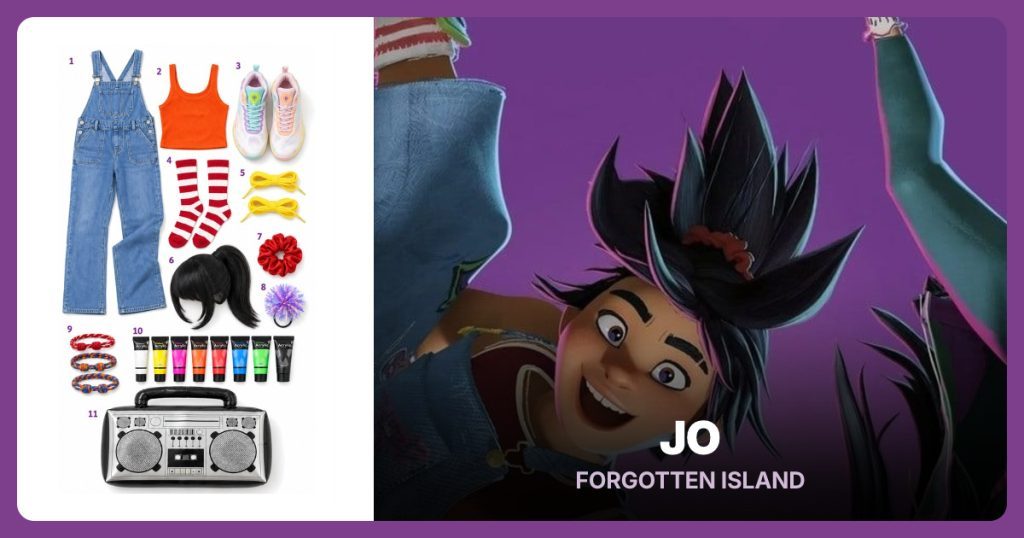
 Forgotten Island
Find a favorite Asian or Asian diaspora character, from Jo and Raissa to Rumi, O-Ren Ishii, Short Round, Chun-Li, and anime heroes. Compare everyday clothes, performance sets, and game costumes alongside Japanese, Chinese, Korean, and Vietnamese garment choices. These 42 ideas explain the specific character version and the clothes to plan first.
Browse Costume Ideas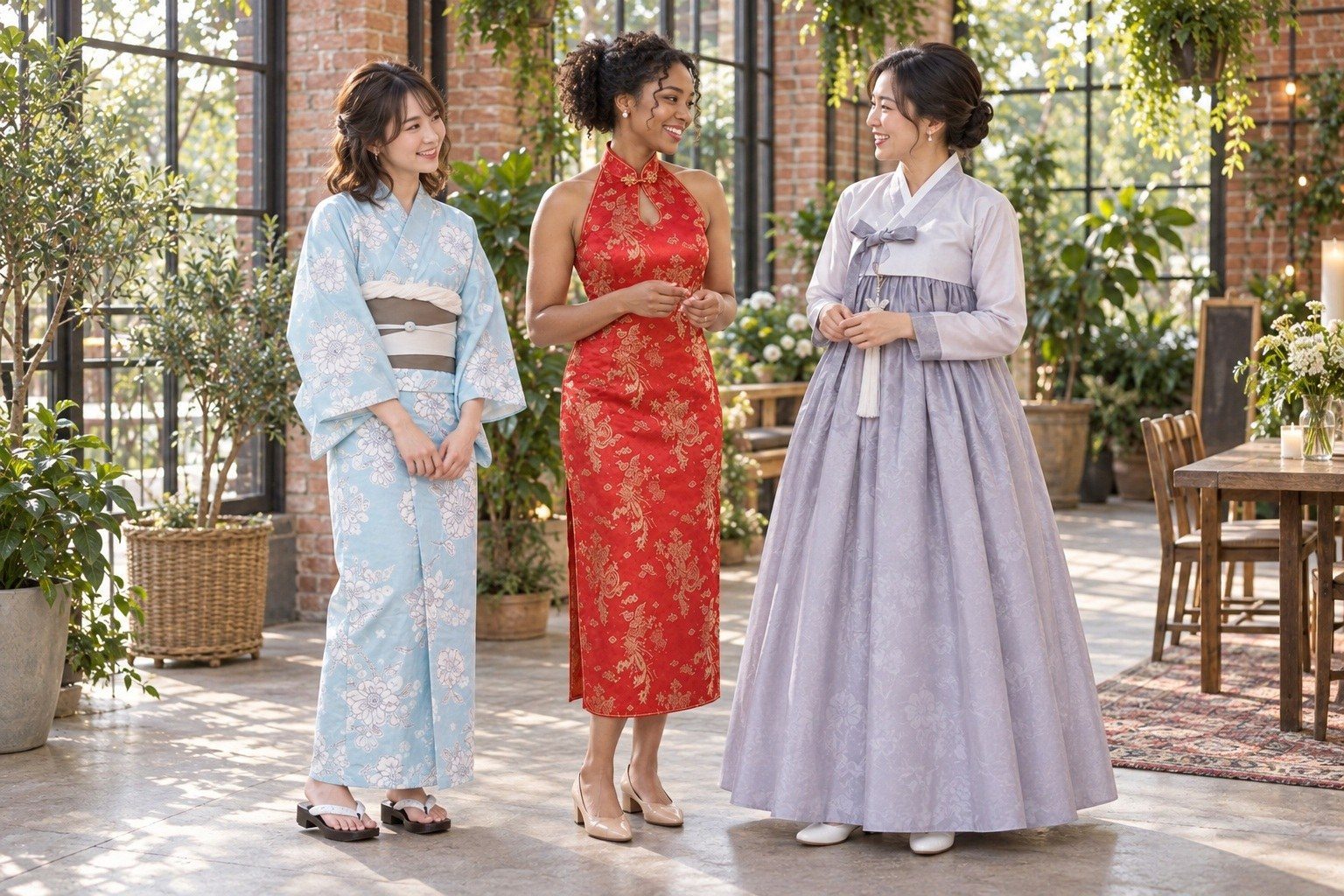
Start with a favorite story or the kind of clothes you want to wear. These 42 choices include Asian and Asian diaspora characters in everyday clothes, stage costumes, superhero looks, and anime uniforms, alongside four garment traditions and two Japanese costume types. Raya and Namaari belong to an explicitly Southeast Asian-inspired fantasy world. The character’s name and version tell you what to assemble; traditional clothing is one direction, rather than a requirement.
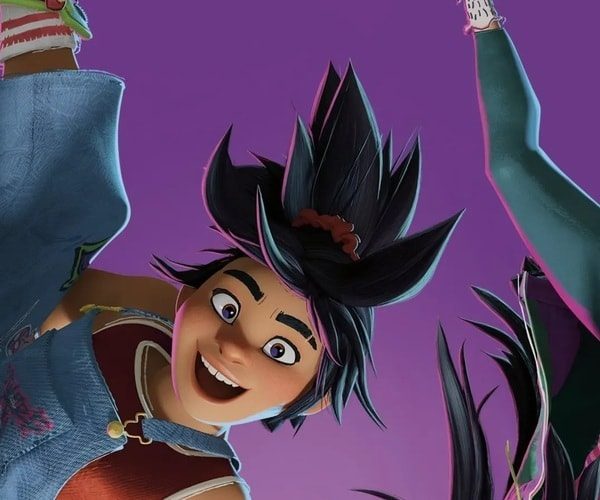 JoOveralls + Orange Tank
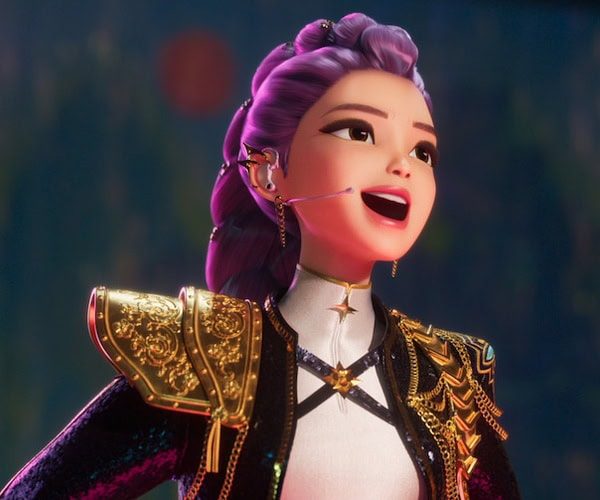 RumiGolden Stage Costume
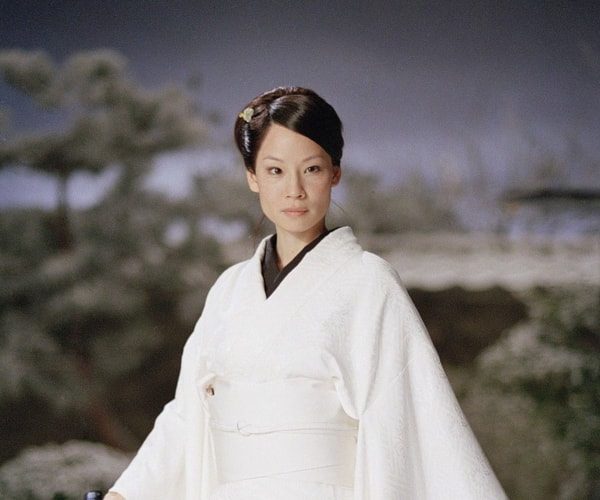 O-Ren IshiiWhite Robe + Obi
 Chun-LiBlue Costume + White Boots
| Choice | Main Clothes | What to Plan First |
|---|---|---|
| Jo | Denim overalls + orange tank | Bright accents and painted overall decoration |
| Rumi | Black, white, and gold Golden set | Decorated costume, purple braid, and tall boots |
| O-Ren Ishii | White wrap robe + wide white obi | Secure wrap and sash, hair arranged up |
| Chun-Li | Blue character costume + white boots | Gold trim, double buns, and wrist cuffs |
| Hiro Hamada | Red T-shirt + dark hoodie + cargo shorts | Casual version, with yellow shoelaces |
| Cristina Yang | Navy scrubs + white lab coat | Coordinated scrub colors and stethoscope |
| Tanjiro Kamado | Checked haori + dark costume uniform | Pattern, earrings, and scar detail |
| Qipao & Cheongsam | Fitted standing-collar dress | Choose one cut, then check measurements and slit |
No costumes match those choices. Clear the search or use Reset to see every idea.
Jo and Raissa bring bright everyday layers and friendship details, while HUNTR/X gives you coordinated black, white, and gold stage costumes. Jinu’s pink-and-blue Soda Pop clothes offer a softer contrast. Choose these looks for a friends’ costume or music-themed party: the overalls and windbreaker can start with familiar clothes, while the Golden performances depend on their decorated sets.
Forgotten Island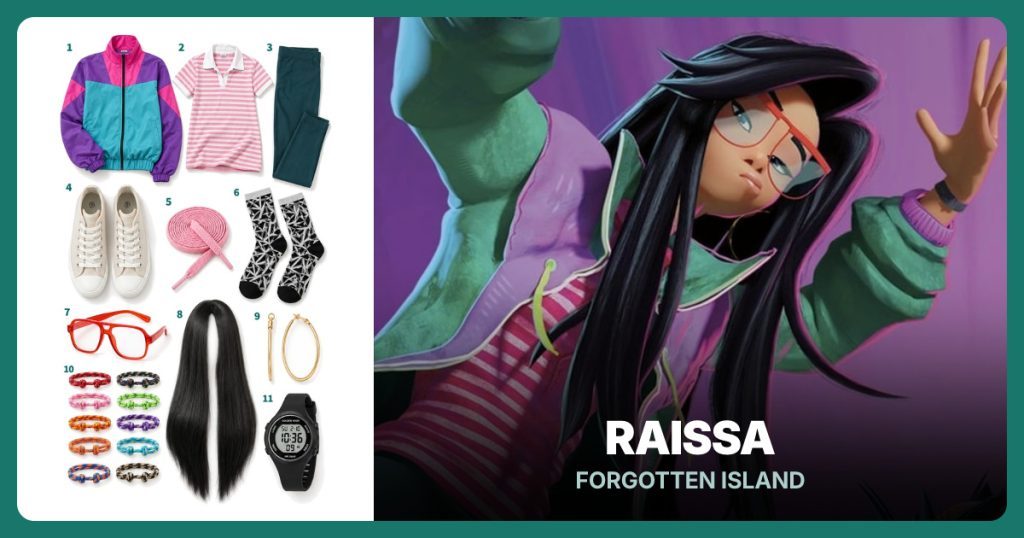 Forgotten Island
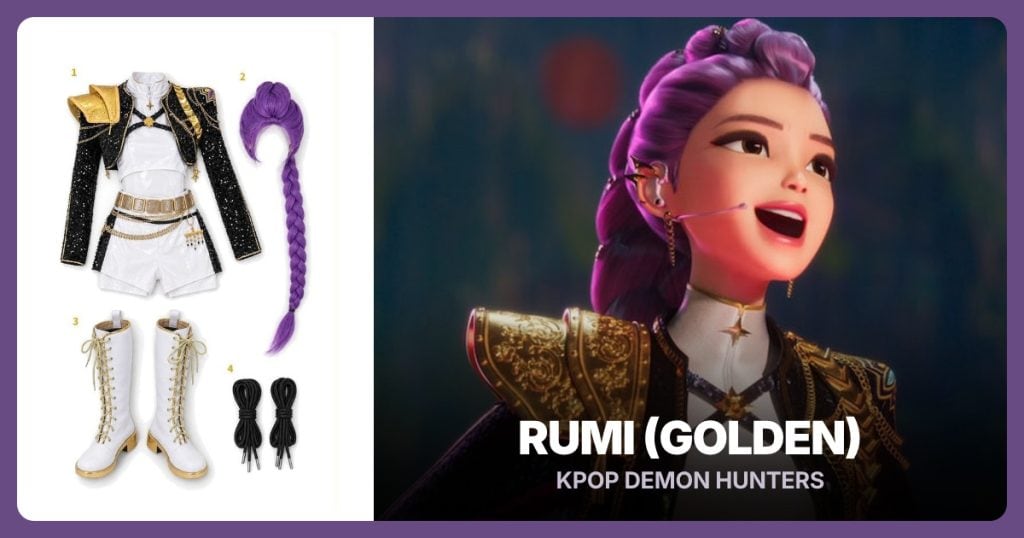 KPop Demon Hunters · Golden
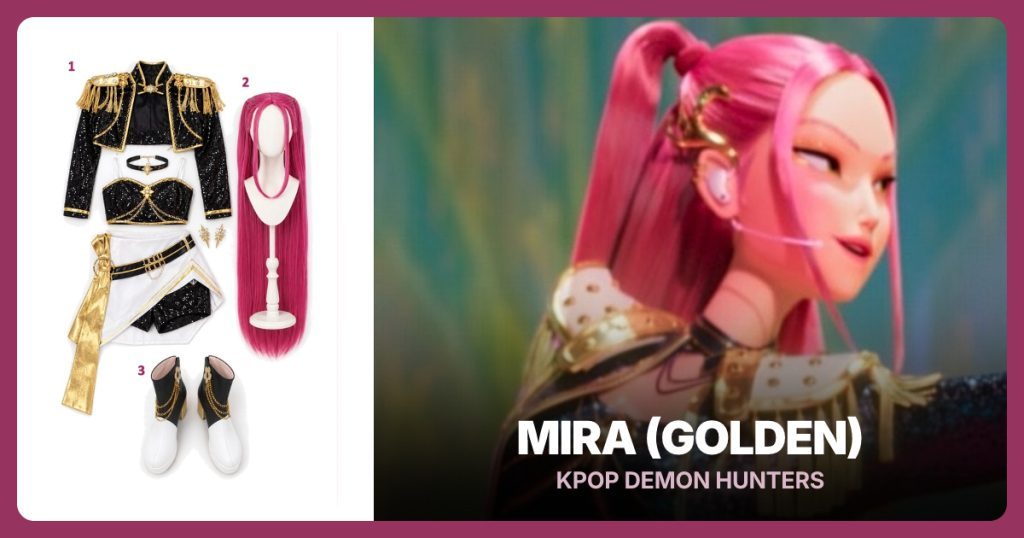 KPop Demon Hunters · Golden
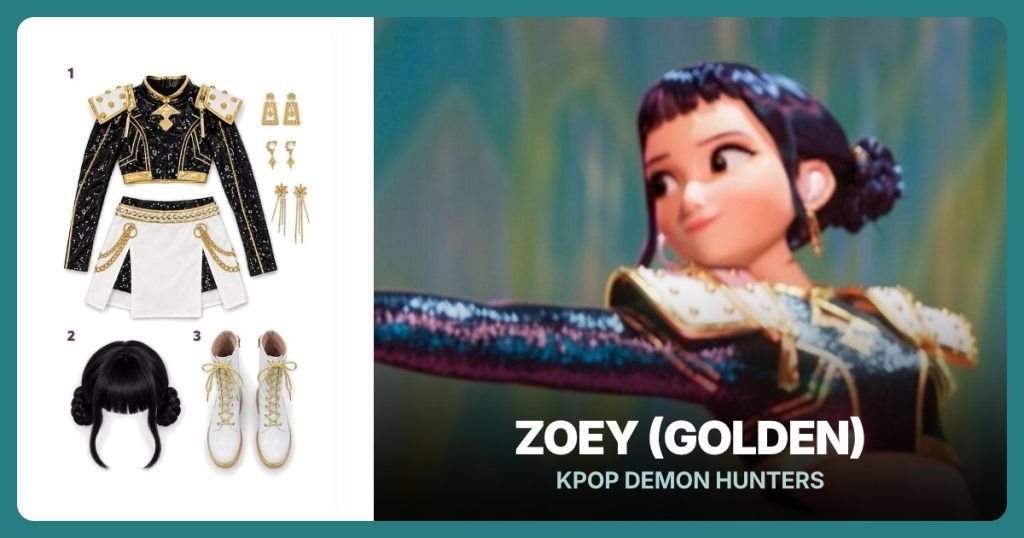 KPop Demon Hunters · Golden
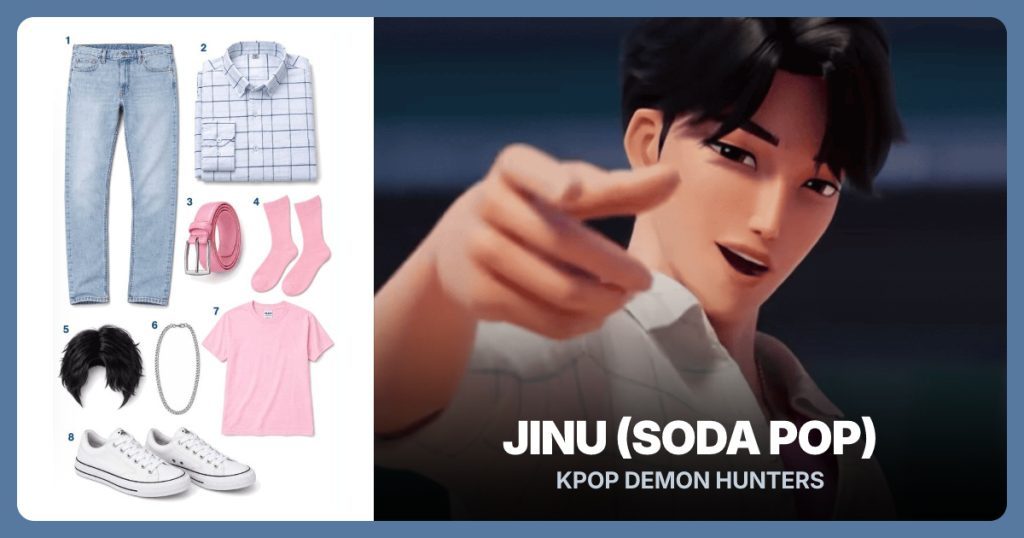 KPop Demon Hunters · Soda Pop
These animation choices range from Mulan’s layered robes to Meilin’s school clothes and the casual Big Hero 6 looks. Raya and Namaari come from fictional Kumandra, a world inspired by Southeast Asian cultures, rather than a specific modern country. Choose the everyday outfits when you want reusable separates, or the fantasy adventurers when you want distinctive panels, belts, and outer layers.
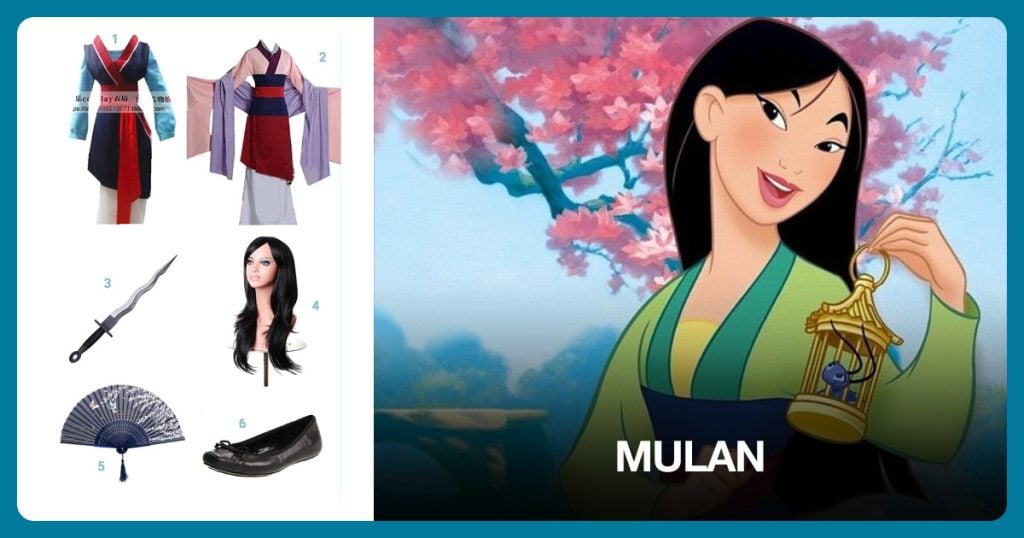 Disney’s Mulan · Animated Film
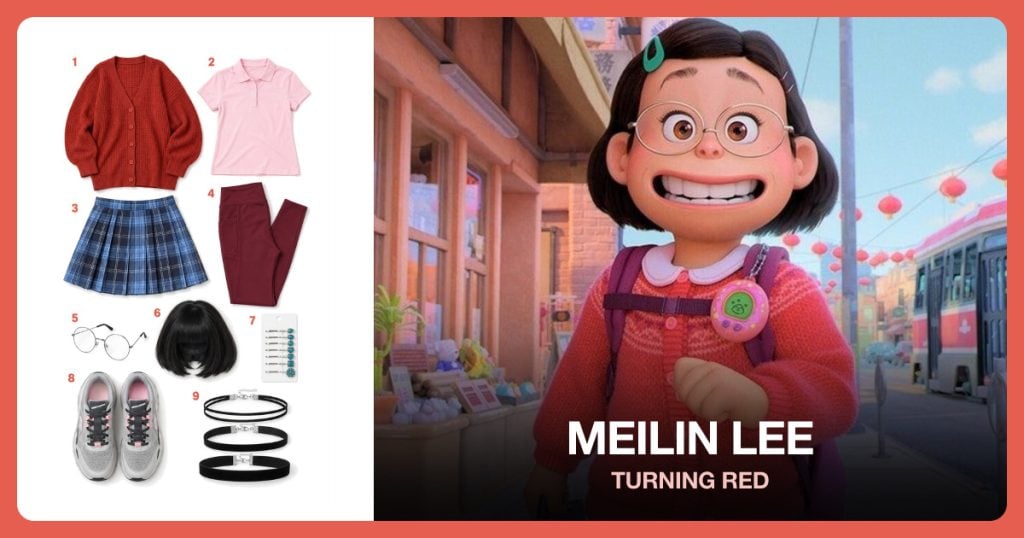 Turning Red · Human Look
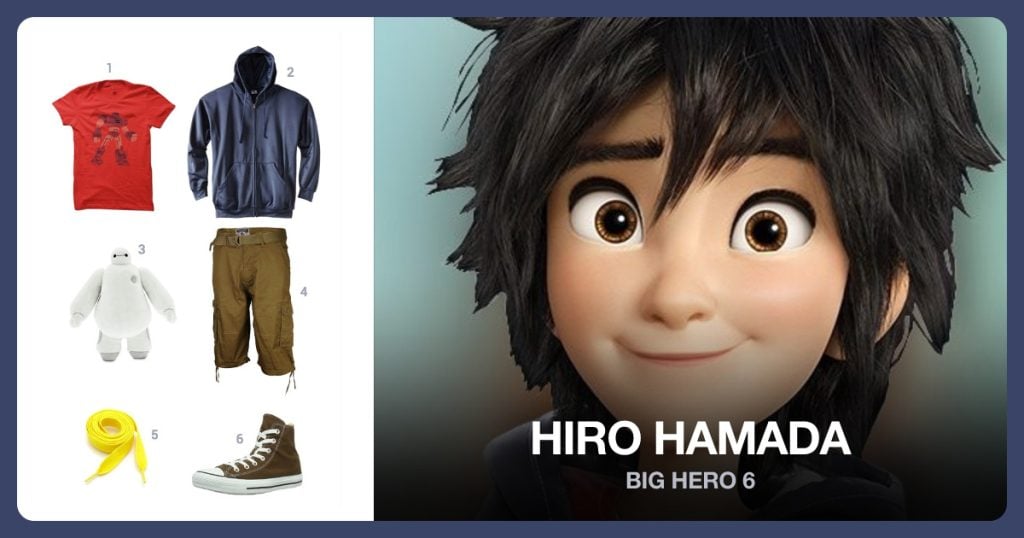 Big Hero 6 · Casual Clothes
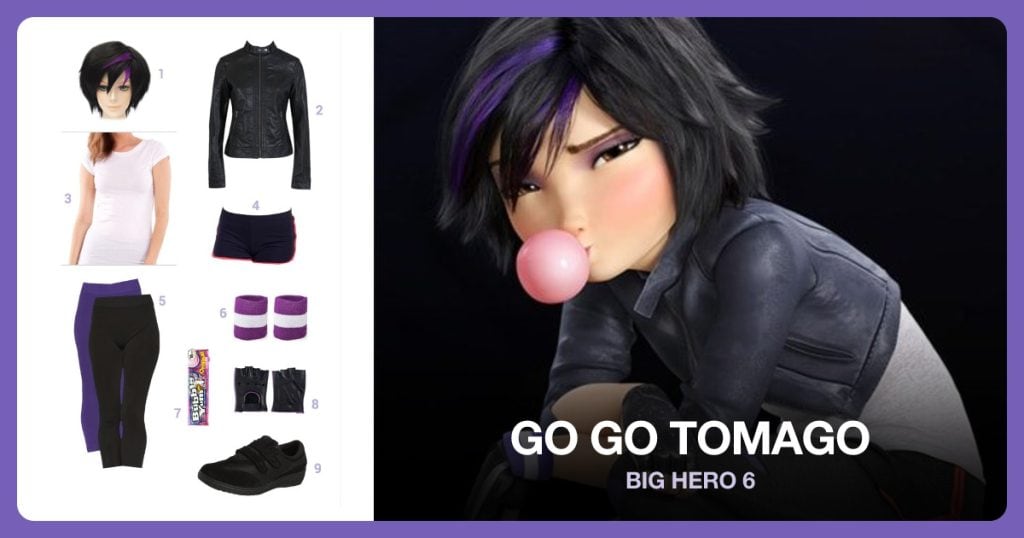 Big Hero 6 · Casual Clothes
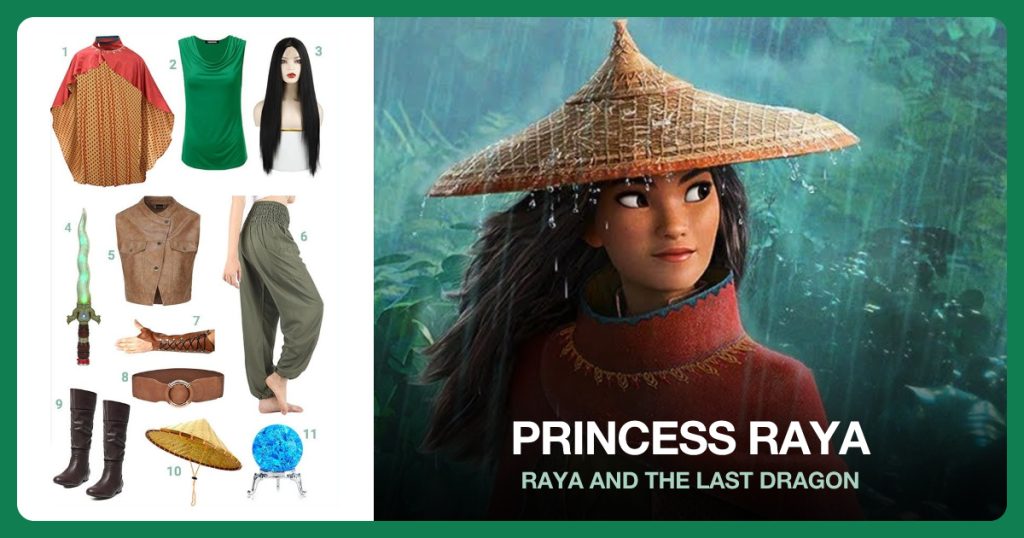 Raya and the Last Dragon · Kumandra
 Raya and the Last Dragon · Kumandra
This section offers several ways to use ordinary clothing: a jacket and cap for Short Round, scrubs for Cristina Yang, or a blazer and jeans for Diane Nguyen. O-Ren’s white robe makes a stronger garment statement, while the three Squid Game players share green tracksuits but keep different numbers and character details. Pick a story you enjoy, then decide whether you want familiar layers or a more specific costume garment.
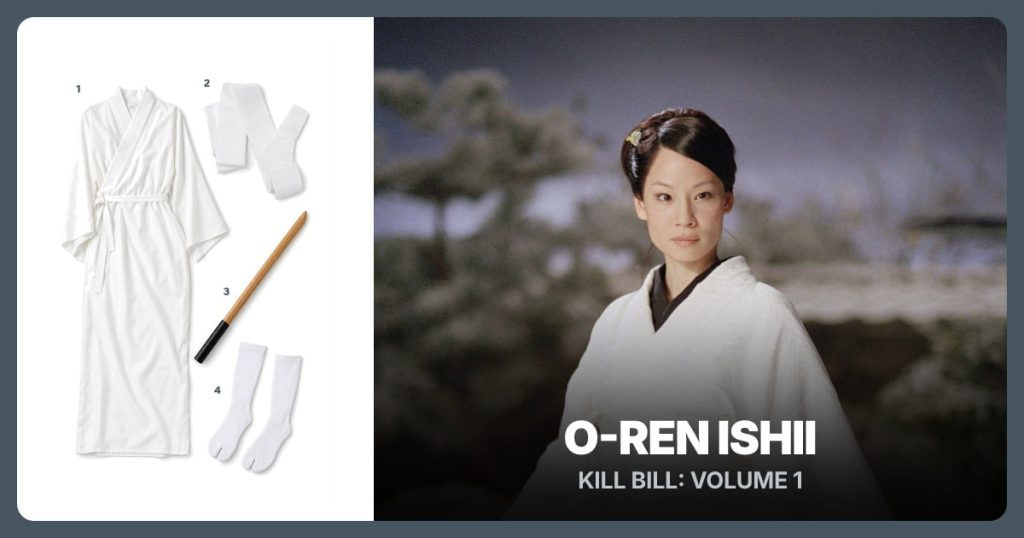 Kill Bill: Volume 1 · White Robe
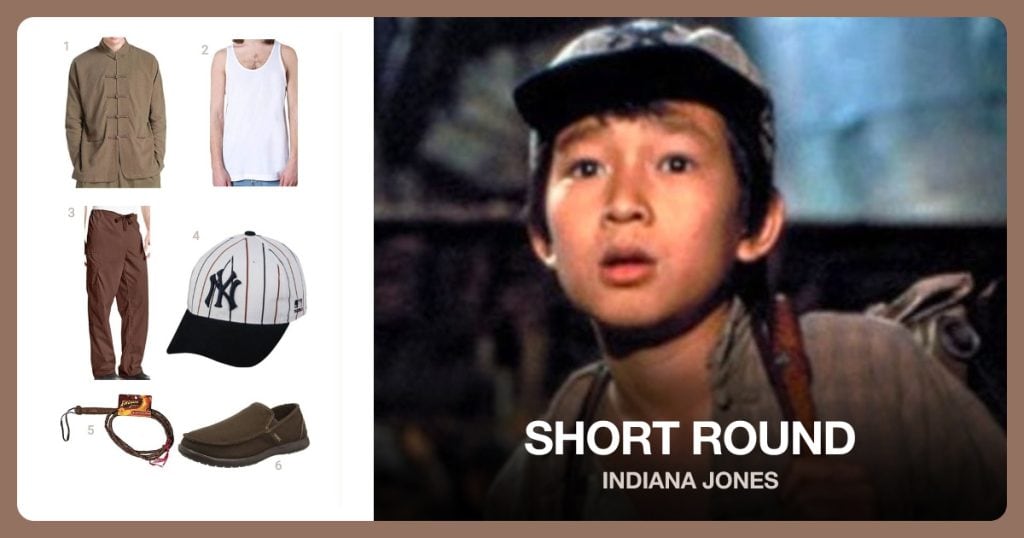 Indiana Jones and the Temple of Doom
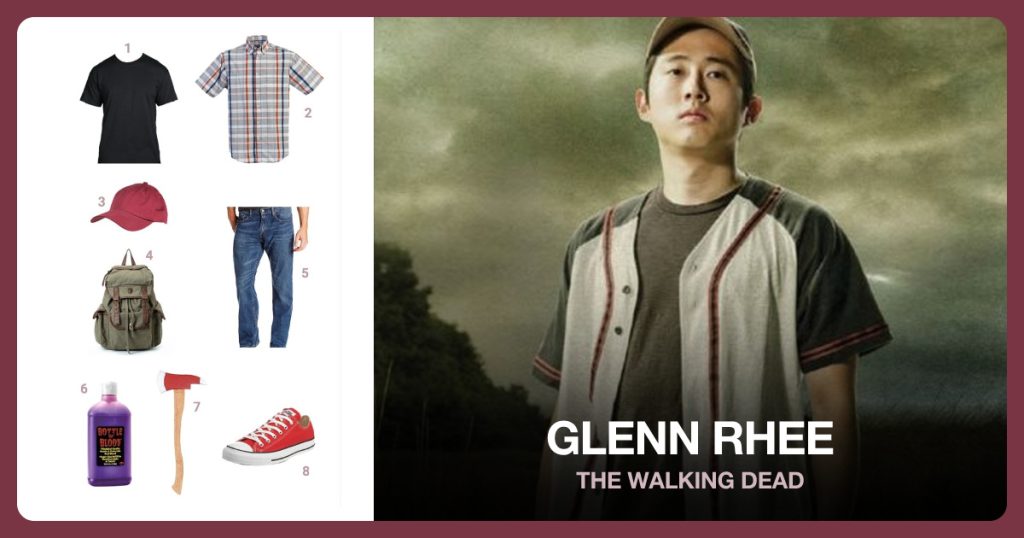 The Walking Dead · Early Look
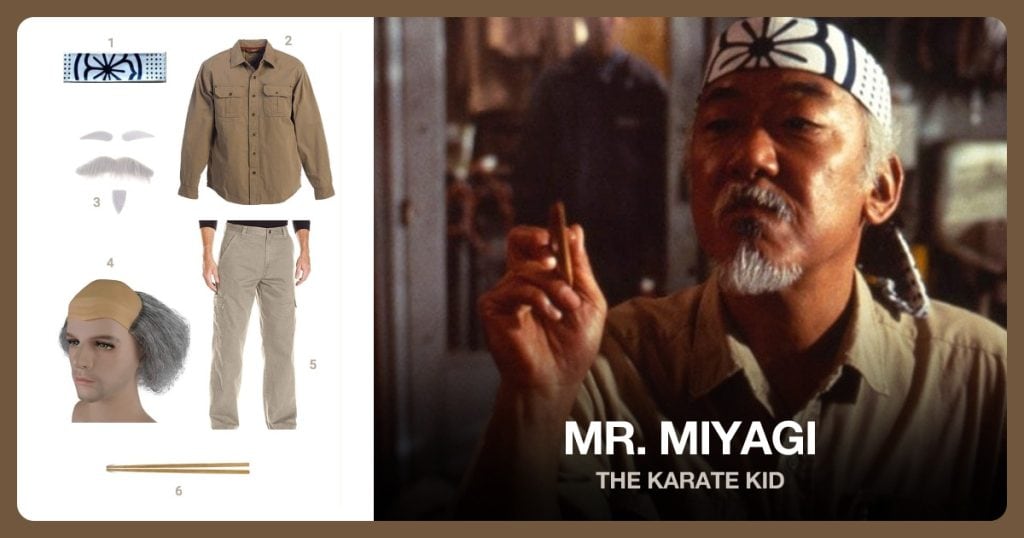 The Karate Kid
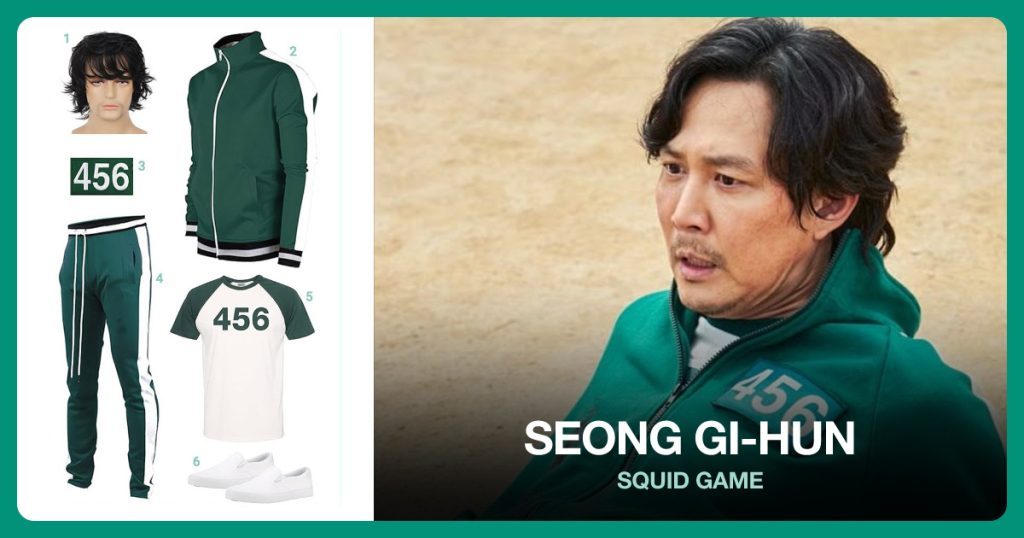 Squid Game · Player 456
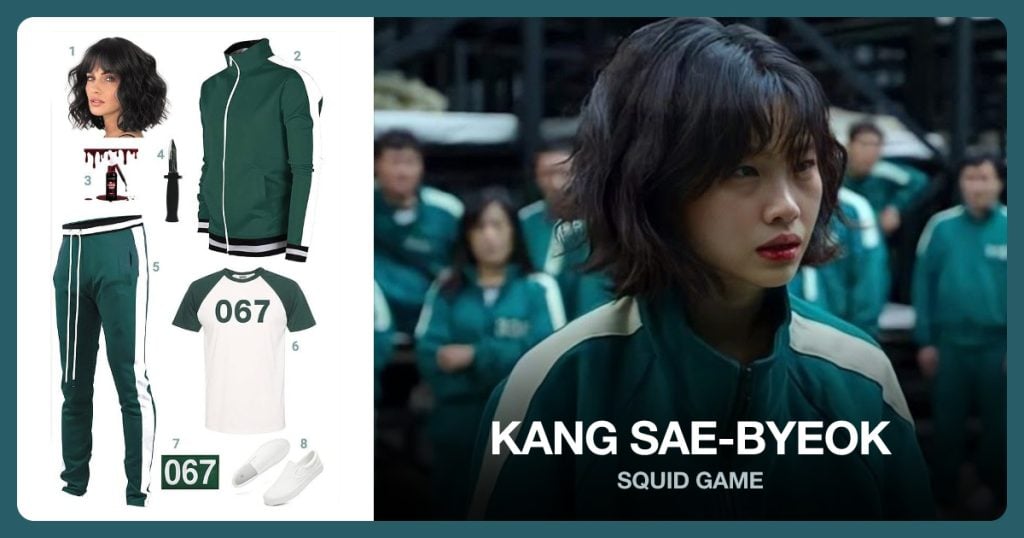 Squid Game · Player 067
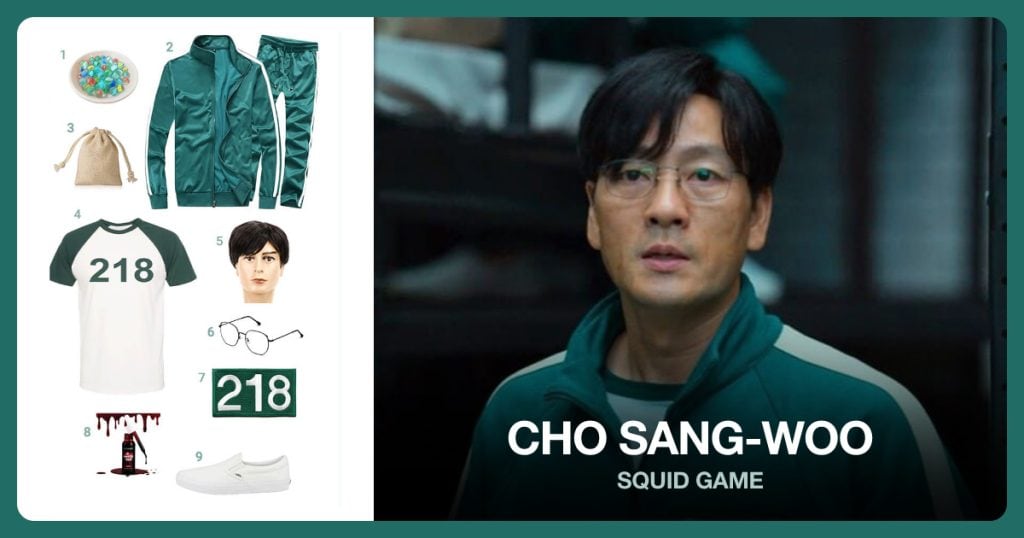 Squid Game · Player 218
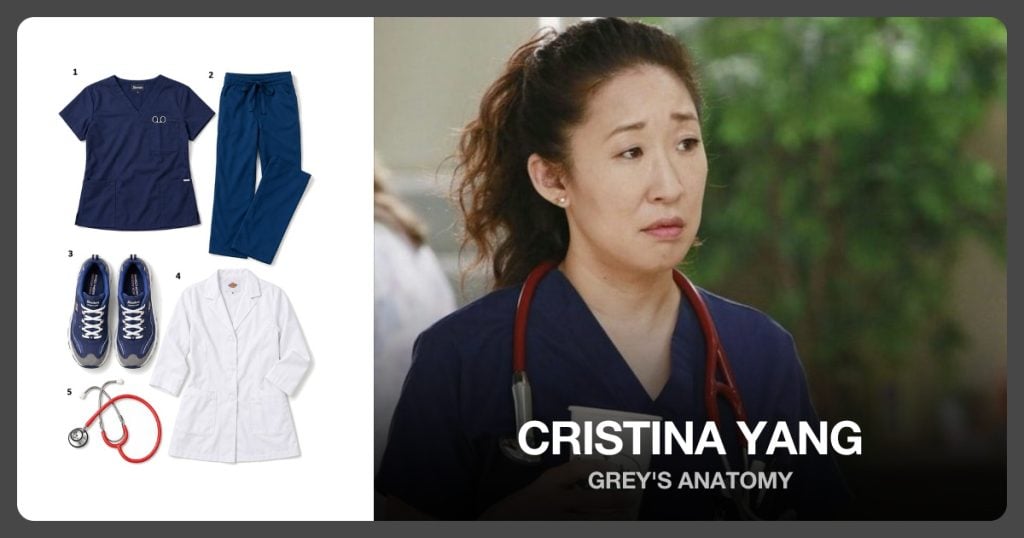 Grey’s Anatomy · Scrubs and Lab Coat
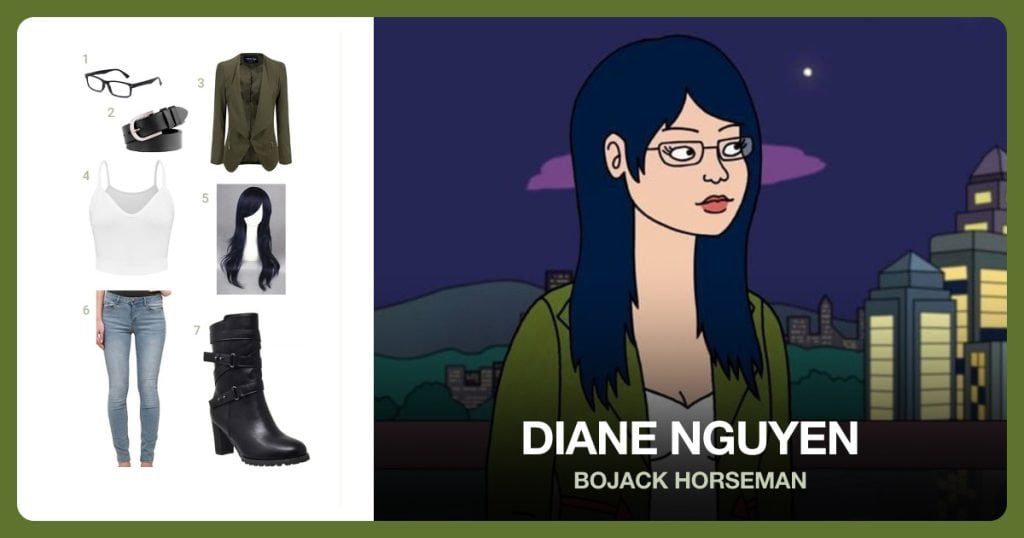 BoJack Horseman · Green Blazer
The game choices offer six different clothing approaches: Chun-Li’s blue dress, Ryu’s white gi, D.Va’s fitted pilot suit, Liu Kang’s martial-arts trousers, Ada’s red-and-black layers, and Kiryu’s gray suit. These are specific character versions rather than one general fighting-game uniform. Choose the garment you want to wear first, then plan the hair, cuffs, or belt that gives that character a clear identity.
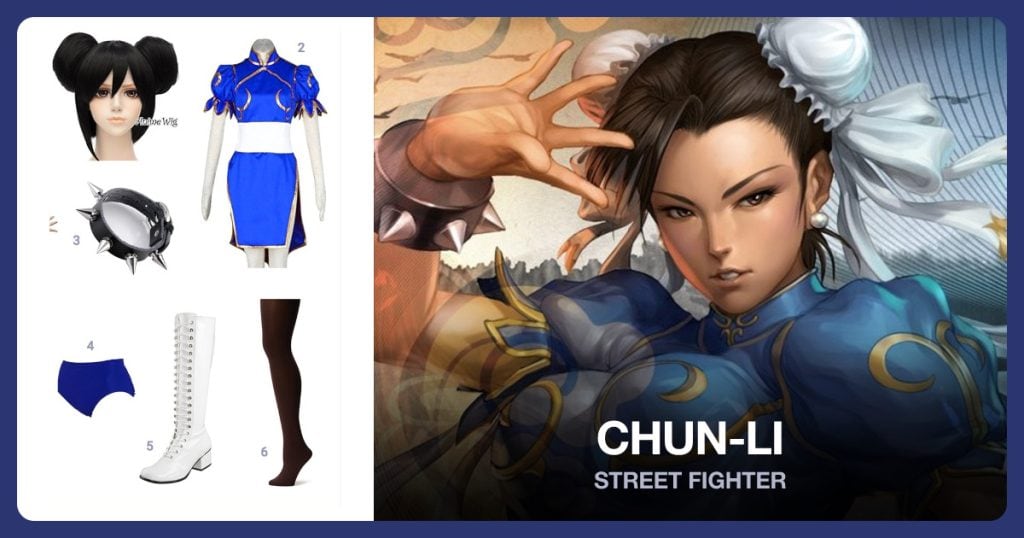 Street Fighter · Blue Costume
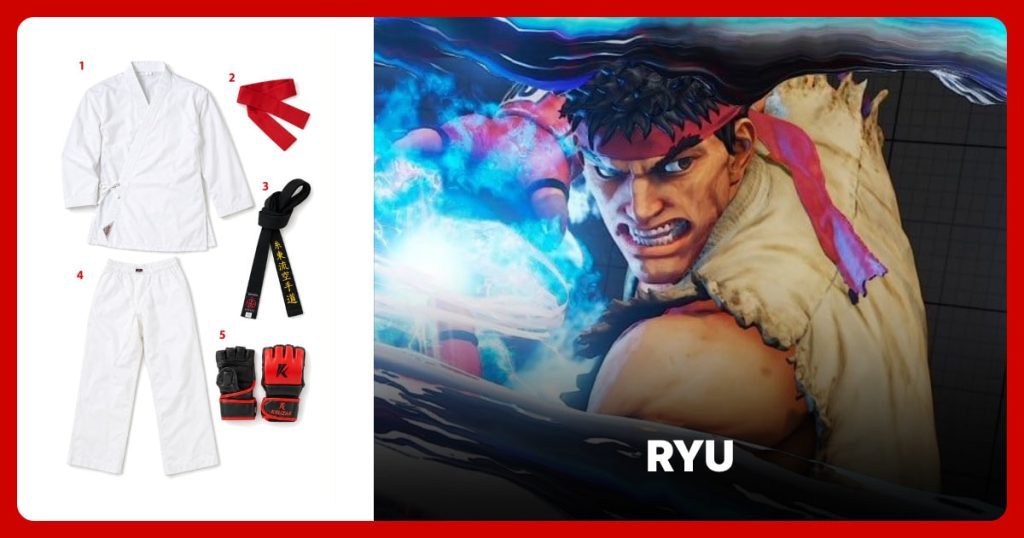 Street Fighter · White Gi
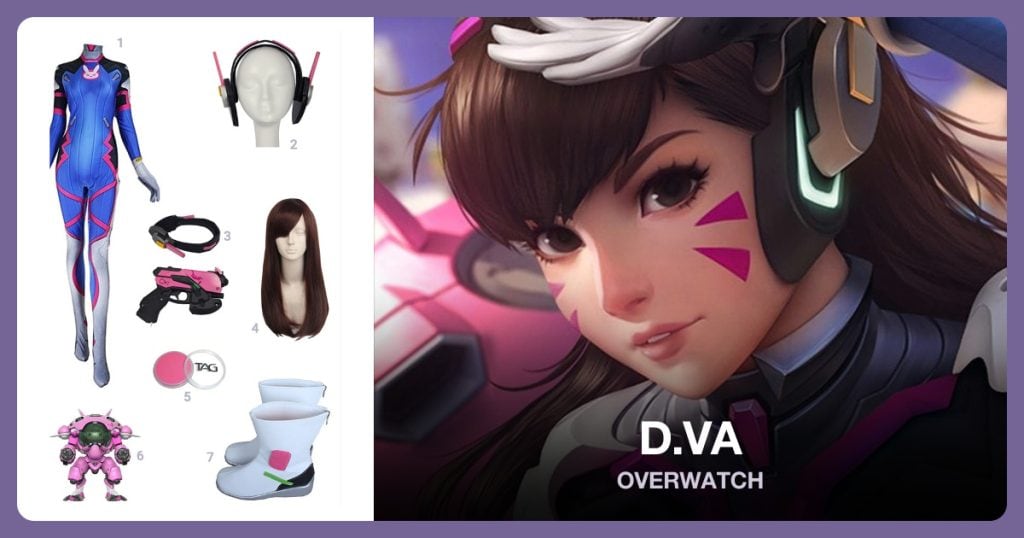 Overwatch · Pilot Suit
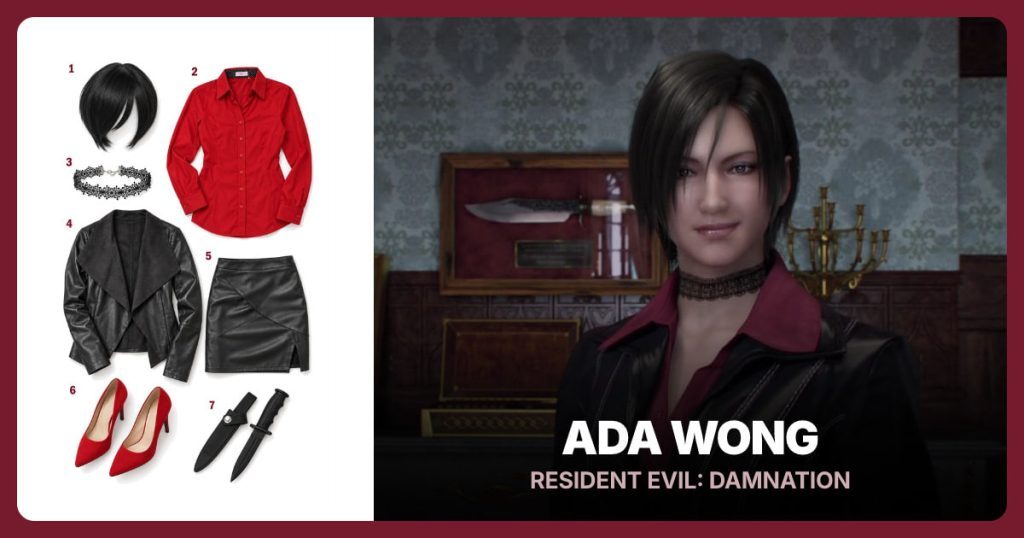 Resident Evil: Damnation
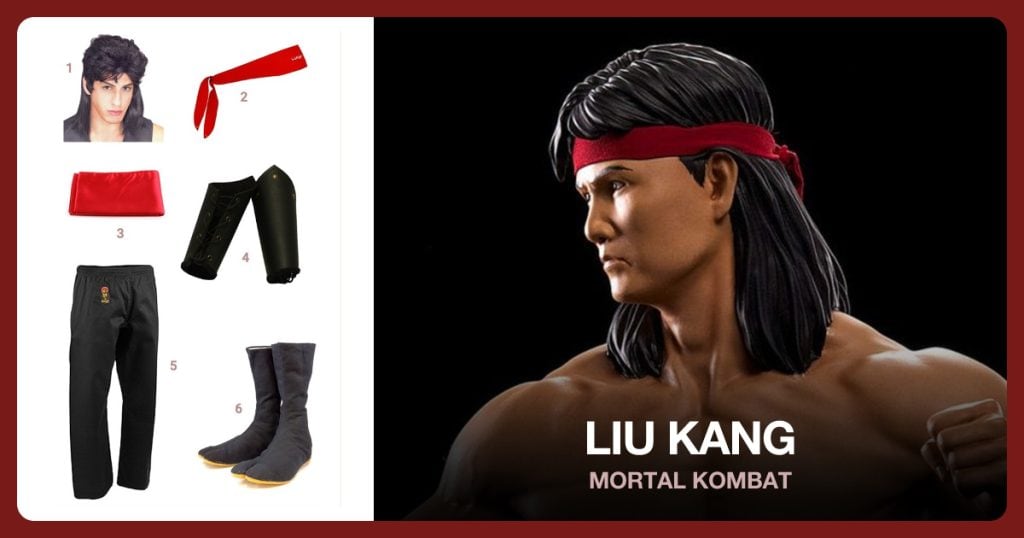 Mortal Kombat · Black Trousers
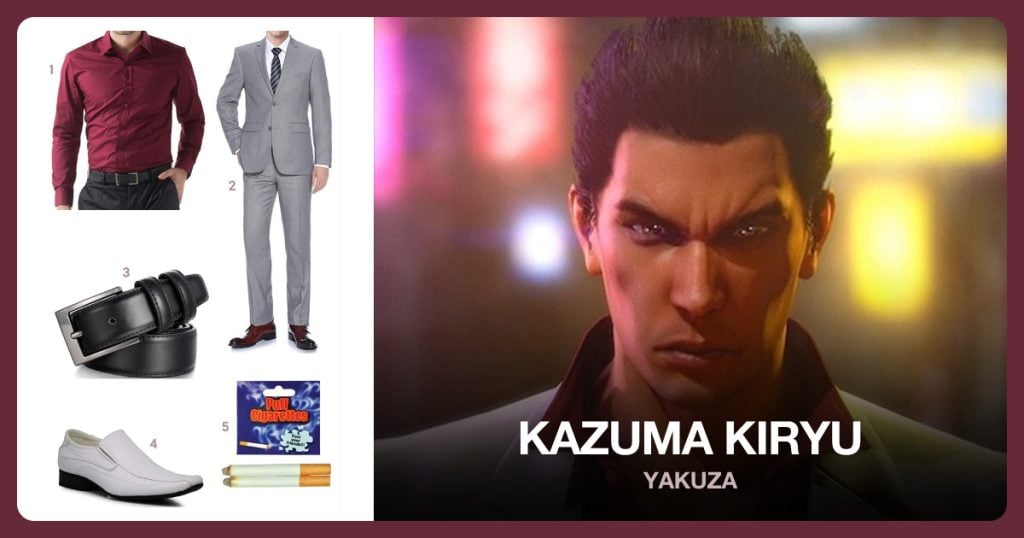 Yakuza · Gray Suit
These choices come from Demon Slayer, Jujutsu Kaisen, Cardcaptor Sakura, and Sailor Moon. Tanjiro and Nezuko depend on their patterned costume layers, while Gojo and Yuji can use clothing approximations with distinctive hair. Sakura’s school uniform and Usagi’s Sailor Moon transformation offer two different sailor-inspired shapes. Choose one character version and keep its colors and accessories together instead of combining every familiar anime detail.
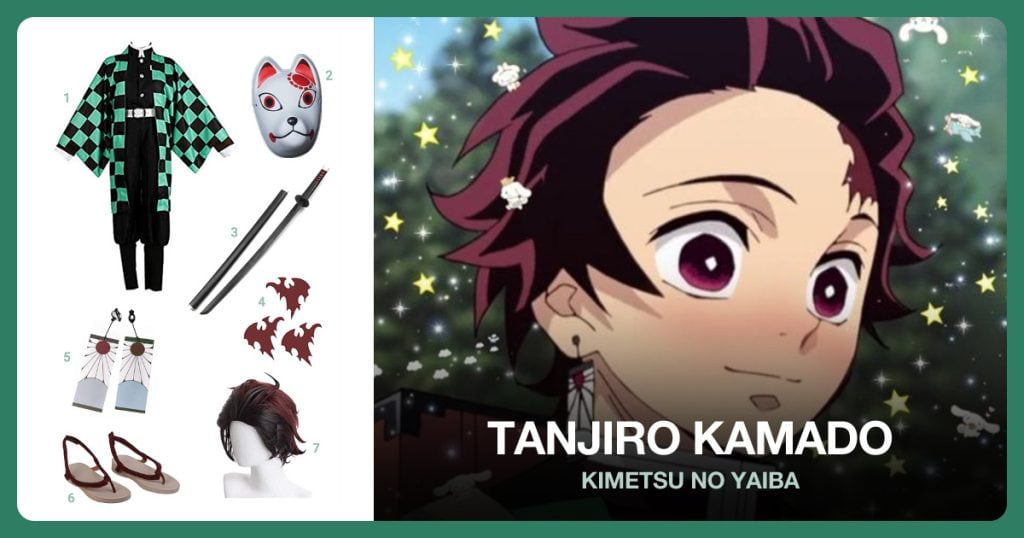 Demon Slayer · Checked Haori
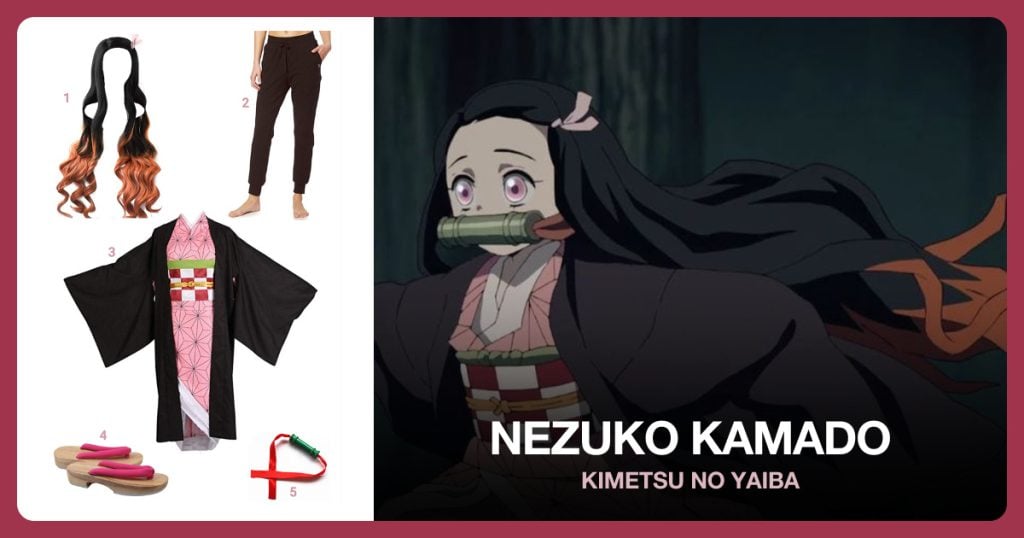 Demon Slayer · Pink Costume Layers
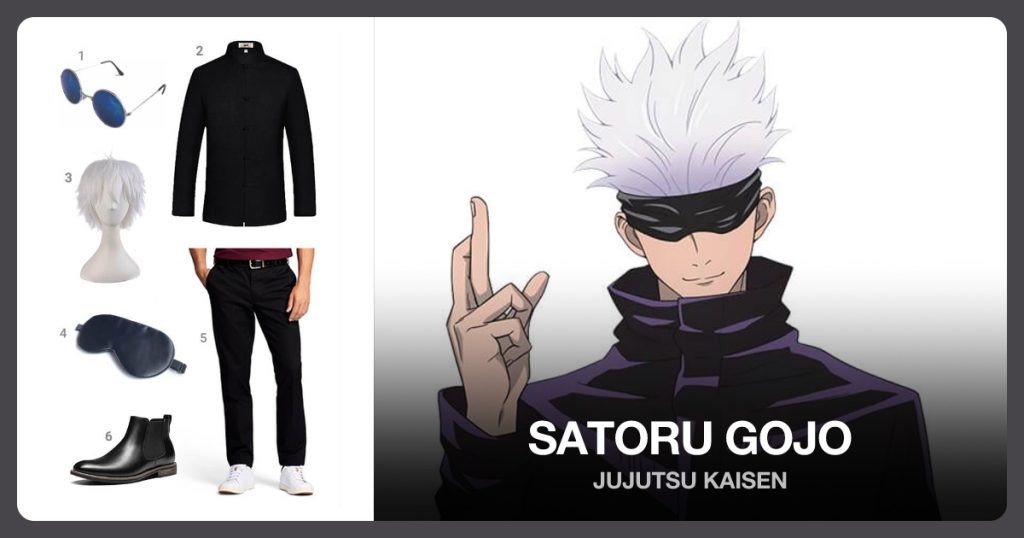 Jujutsu Kaisen · Dark High Collar
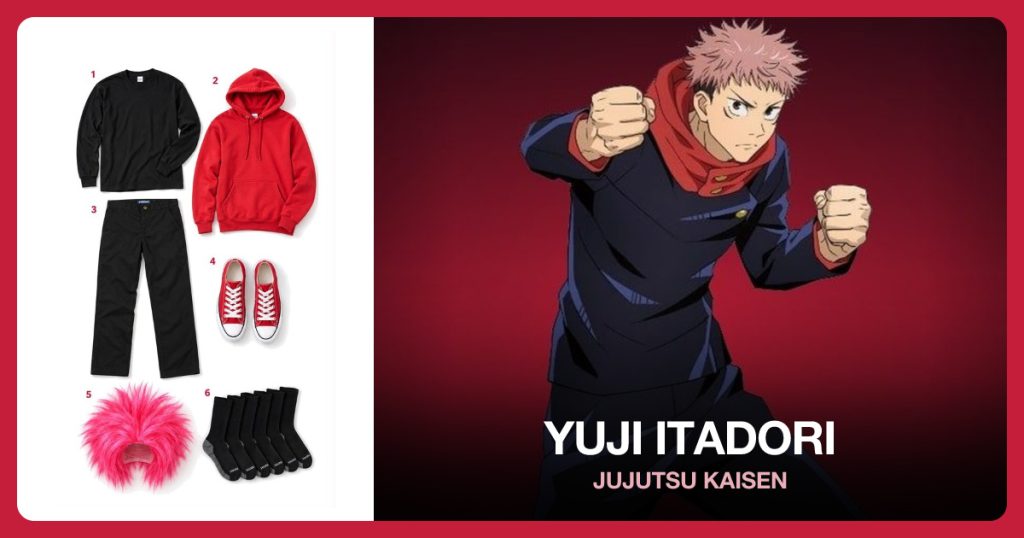 Jujutsu Kaisen · Layered Approximation
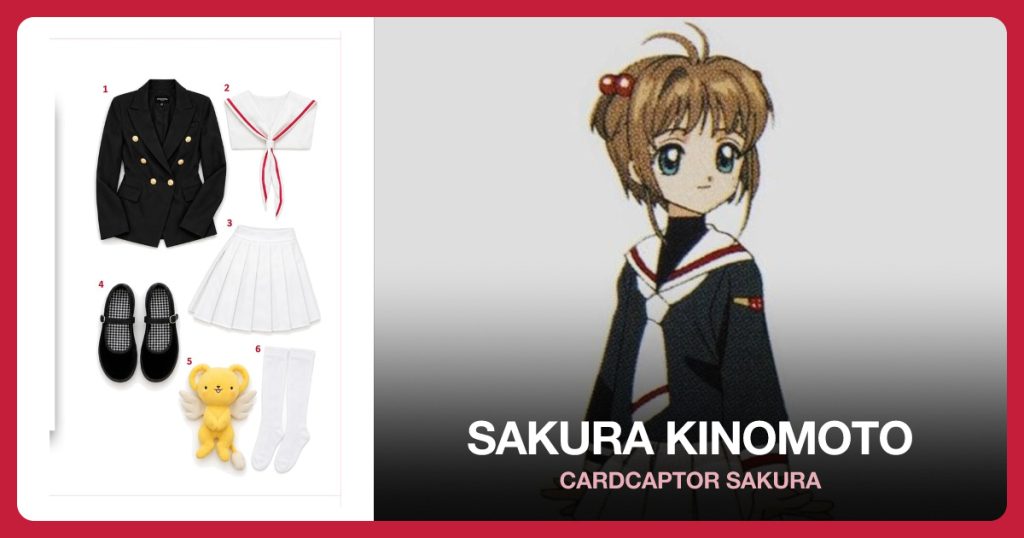 Cardcaptor Sakura · School Uniform
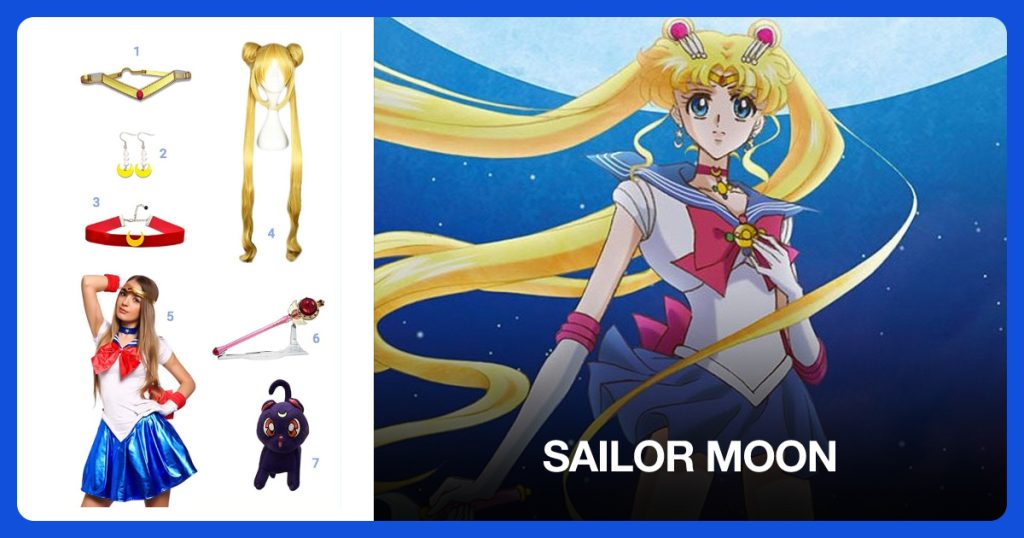 Pretty Guardian Sailor Moon · Usagi
Jubilee brings a bright coat and everyday shorts, Jake Long offers a skater-style human look, and Katana uses the jacket and mask from Suicide Squad. They share Asian character identities but have very different wardrobes, so choose by the clothes you want to assemble. The hair, coat color, patches, and mask give these costumes their individual cues without requiring a full superhero armor build.
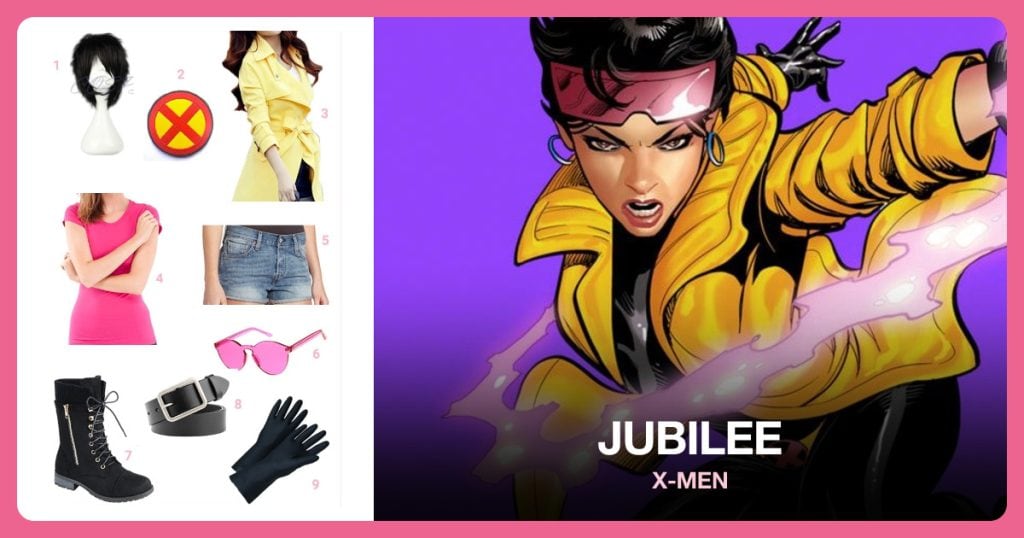 X-Men · Yellow Coat
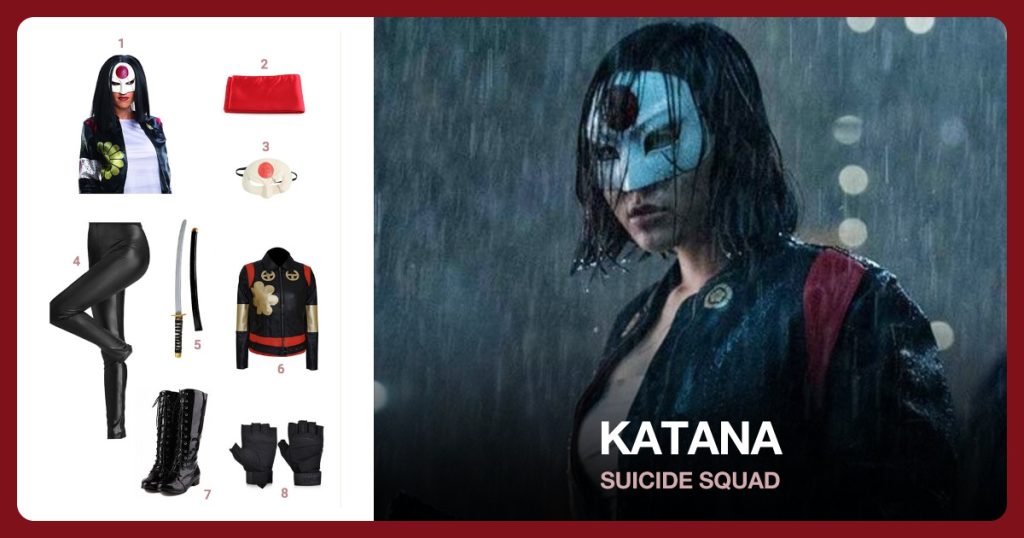 Suicide Squad · Jacket and Mask
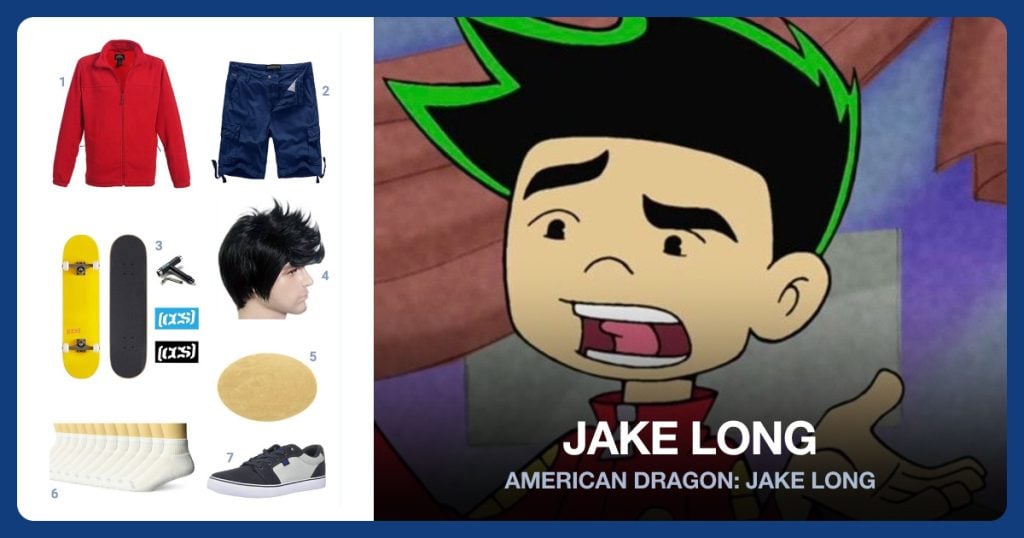 American Dragon · Human Look
Choose a garment tradition when you want the clothes themselves to be the starting point. Japanese kimono and yukata, Chinese qipao and cheongsam, Korean hanbok, and Vietnamese áo dài have different closures and proportions. These guides offer several modern shopping variations within each choice. Samurai and ninja are separate popular Japanese costume interpretations, using martial-arts layers or dark separates rather than reproducing historical armor.
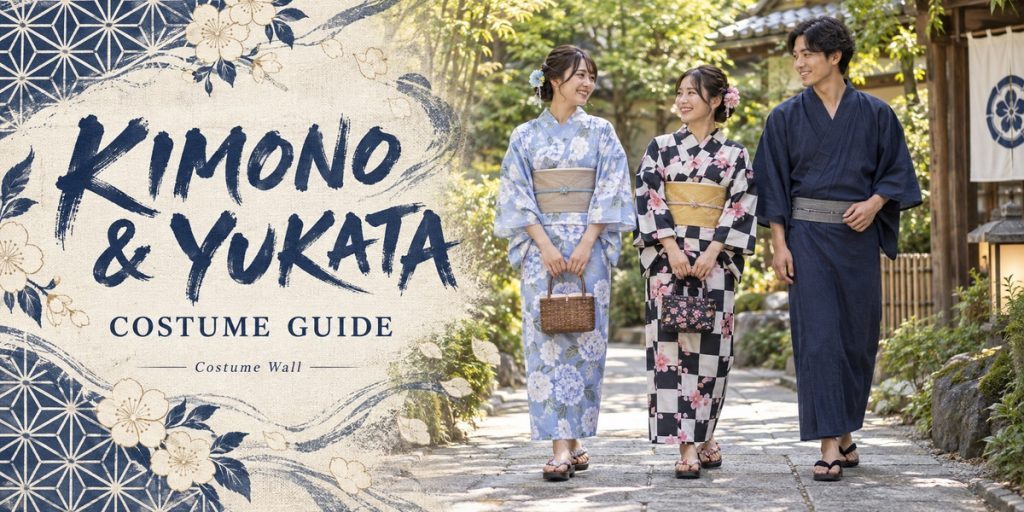 Japan · Wrap Robe + Obi
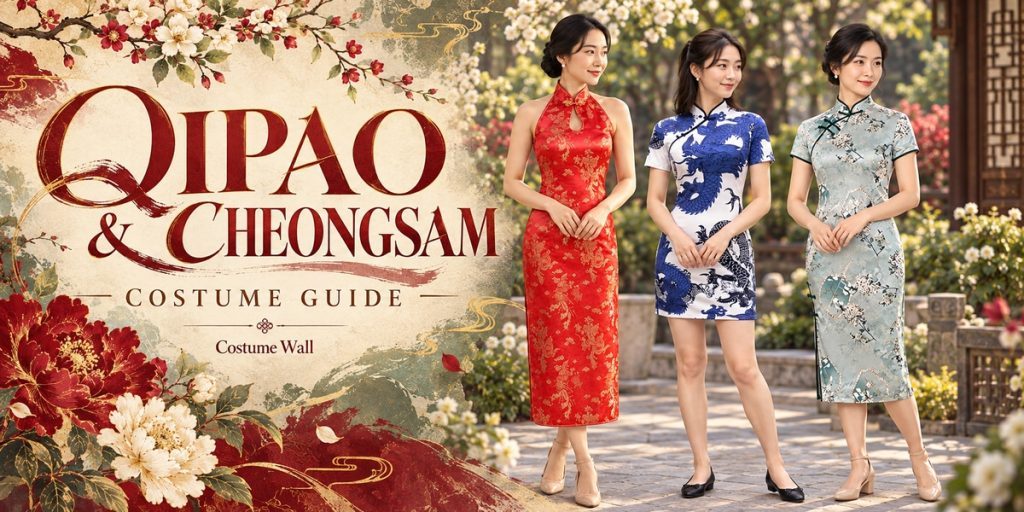 China · Fitted Dress + Standing Collar
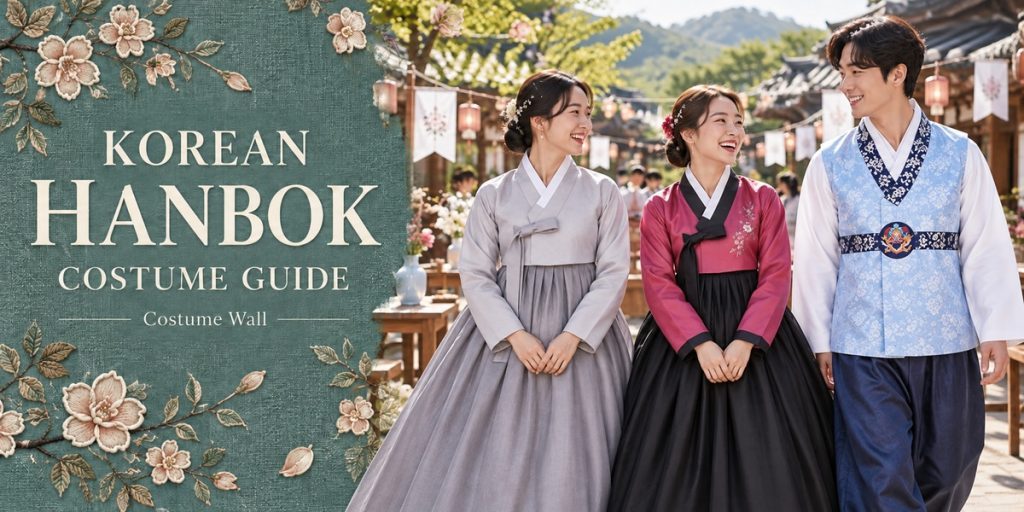 Korea · Jeogori + Chima or Baji
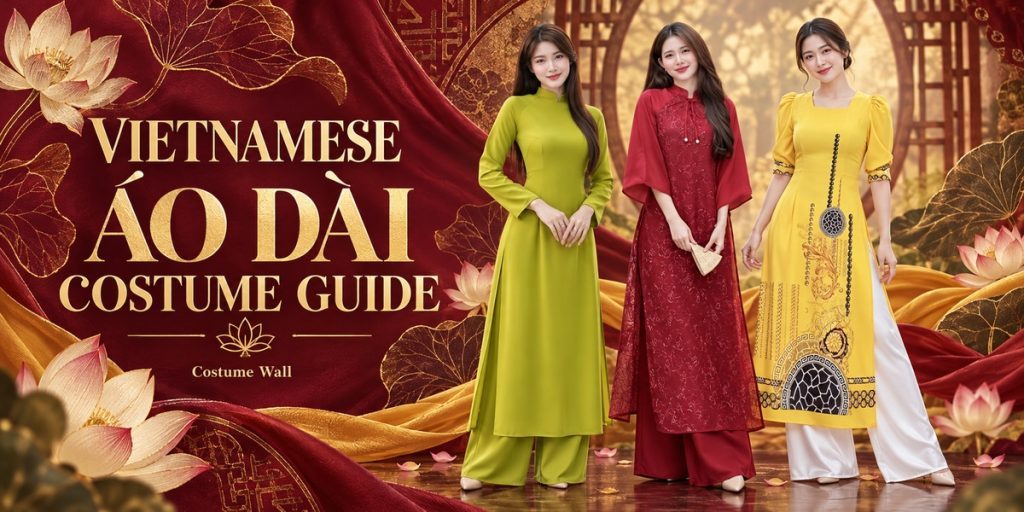 Vietnam · Long Tunic Over Trousers
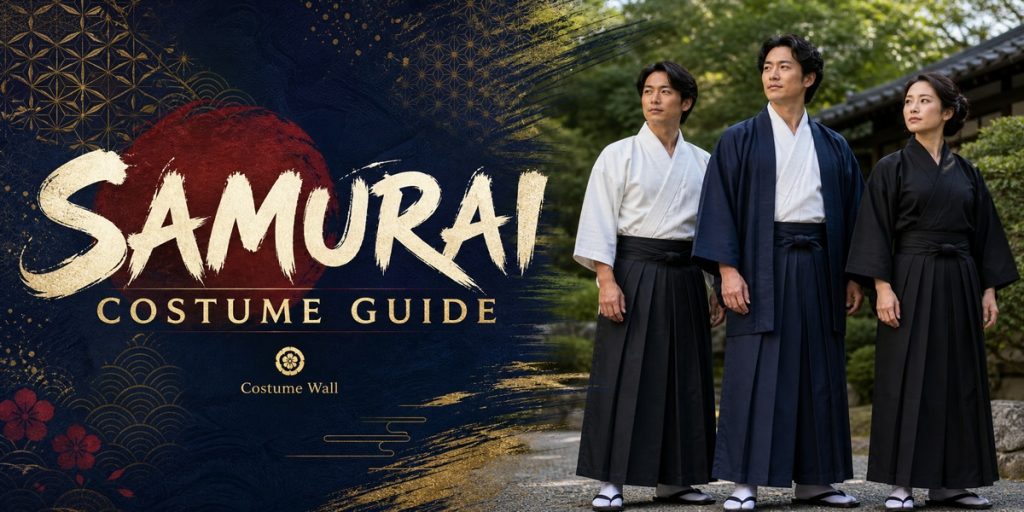 Japan · Popular Costume Interpretation
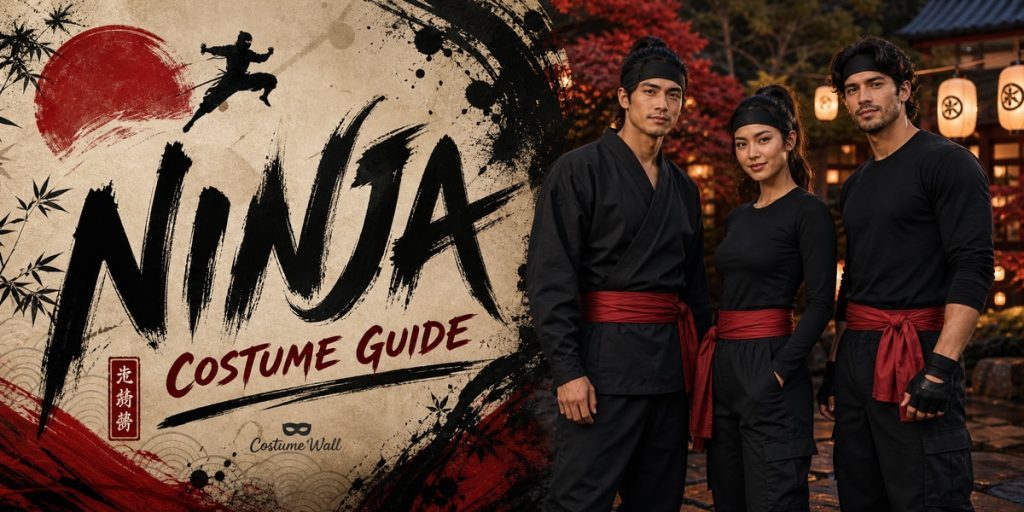 Japan · Popular Costume Interpretation
Rumi, Mira, and Zoey use their Golden stage sets here; Jinu uses Soda Pop clothes. Ada wears the red shirt and black skirt from Damnation, while Hiro and Go Go wear casual layers rather than superhero armor. Pick one reference before shopping. It keeps the wig, shoes, and clothing colors working toward the same character instead of producing a mixture of versions.
Jo’s overalls, Short Round’s jacket and cargo pants, Diane’s blazer and jeans, and Cristina’s scrubs can begin with clothes you already own. Identify the detail you still need, such as Jo’s orange tank and decoration or Short Round’s cap. A useful shortcut preserves those clues rather than replacing the whole costume with a generic outfit.
HUNTR/X shares black, white, and gold, but each member has different hair and boots. Squid Game players share tracksuits, but 456, 067, and 218 need their own shirts and patches. Jo and Raissa can share friendship bracelets while keeping different clothes. Agree on the story and version together, then give each person a separate shopping list.
Rumi’s purple braid, Mira’s pink hair, Zoey’s double buns, Chun-Li’s buns, and Gojo’s white hair are useful recognition details. Fit a wig before adding a high collar, headband, or large earrings, and secure it so you can move comfortably. You can also style your own hair when it gives you the shape you want; concentrate on the character’s clothes and distinctive details.
The garment guides offer several dresses, robes, or coordinated sets. Mulan’s card also includes two costume robe options. Choose one version before adding shoes and accessories; a guide’s entire grid is not always one list to buy in full. Check which pieces come together so you can budget for the actual outfit rather than duplicating alternatives.
Raya uses separates to suggest her adventuring clothes, Gojo uses a high-collar jacket, and Yuji uses a dark shirt and red hoodie. Nezuko’s joggers are an optional coverage adaptation. Those choices can be practical, but they require arranging the layers rather than simply wearing one replica suit. Preserve the prominent colors and character details as you make your own adjustments.
Try sitting, reaching, and walking with a coat, long robe, fitted costume, or wig in place. Some character shopping lists do not include shoes, even when the reference illustration shows them. Plan footwear separately for Ryu, Sailor Moon, and O-Ren, and use Gojo’s eye covering only for a stationary photo if it obscures your vision. Make these decisions before the event.
Several guides include swords, a knife, a whip, blood, or a skateboard. The clothing and character details can usually carry the costume without those extras. If you want a prop for photos, check the event’s rules and decide where it will go when you need your hands free. Keep a coordinated group’s main clothing consistent even when individual people skip props.
No. Asian and Asian diaspora characters wear all kinds of clothes, from Meilin’s school outfit and Diane’s blazer to Cristina’s scrubs and D.Va’s pilot suit. Choose a character you enjoy and use their specific clothing details. The kimono, qipao, hanbok, and áo dài guides offer a separate garment-focused direction if that is what you want to wear.
Jo, Hiro, Go Go, Short Round, Glenn, Diane, and Cristina all use familiar separates, though each still needs its defining details. Ninja can start with black clothes and a red sash. Look through your own wardrobe first, then identify the shirt, cap, glasses, jacket color, or accessory that is missing. The decorated Golden sets and fitted character suits require more specific shopping.
Rumi, Mira, and Zoey form HUNTR/X in their Golden costumes; Jinu can join the broader KPop Demon Hunters theme in his Soda Pop look. Jo and Raissa make a Forgotten Island friends’ pair. Gi-Hun, Sae-Byeok, and Sang-Woo share the Squid Game tracksuit shape with different numbers, while Hiro and Go Go can coordinate their casual Big Hero 6 clothes. Agree on the story and versions before shopping.
They live in fictional Kumandra, whose design was inspired by Southeast Asian cultures. Their costumes are character clothes from Raya and the Last Dragon, rather than reproductions of one modern country’s traditional garment. Follow Raya’s cape-and-vest look or Namaari’s fitted top and trousers without relabeling either as a specific national dress.
O-Ren Ishii from Kill Bill: Volume 1 is included in her white robe and obi look. Choose the wrap garment and wide sash first, then arrange the hair up. Her character costume is separate from the generic kimono and yukata variations in the garment section. The white layers establish this particular film look without requiring you to carry the guide’s sword prop.
Tanjiro and Nezuko depend on patterned costume layers, while Gojo and Yuji offer dark-clothing approximations with very different hair. Sakura’s school uniform uses black and white sailor pieces; Sailor Moon uses the transformation costume with blue, red, and crescent details. Choose the specific version shown in the guide, then keep the collar, footwear, and accessories consistent with it.
The names commonly refer to the same Chinese dress. The linked guide offers modern retail cuts with different necklines, sleeves, and hems. Pick the actual dress you want rather than treating the two names as separate costumes. Chun-Li’s blue Street Fighter costume is a character-specific design and has its own matching pieces and accessories.
The yukata looks in the Japanese guide wrap at the waist with an obi. Hanbok uses a jeogori jacket with a chima skirt or baji trousers, while áo dài has long split tunic panels worn over trousers. Choose the shape first, then follow that guide’s dressing order and shopping variation. These are different garments rather than interchangeable names for a long dress.
Not always. Some items are alternate garments or optional props, and you may already own suitable basics. Start with the clothes that establish the chosen look, then add the hair and small details that matter. Check what a costume set includes before buying separate pieces. For a guide with multiple garment variations, choose one complete outfit rather than combining all the options.
Narrow your choice to one character version or one garment variation, then put its clothes, hair, and shoes together before adding extras. A recognizable costume can be a colorful stage set, a comfortable tracksuit, a school uniform, or a carefully tied robe. Try the complete look while there is time to adjust the fit and layers. For a group, share references early and give everyone room to choose the costume and preparation level they will enjoy wearing.
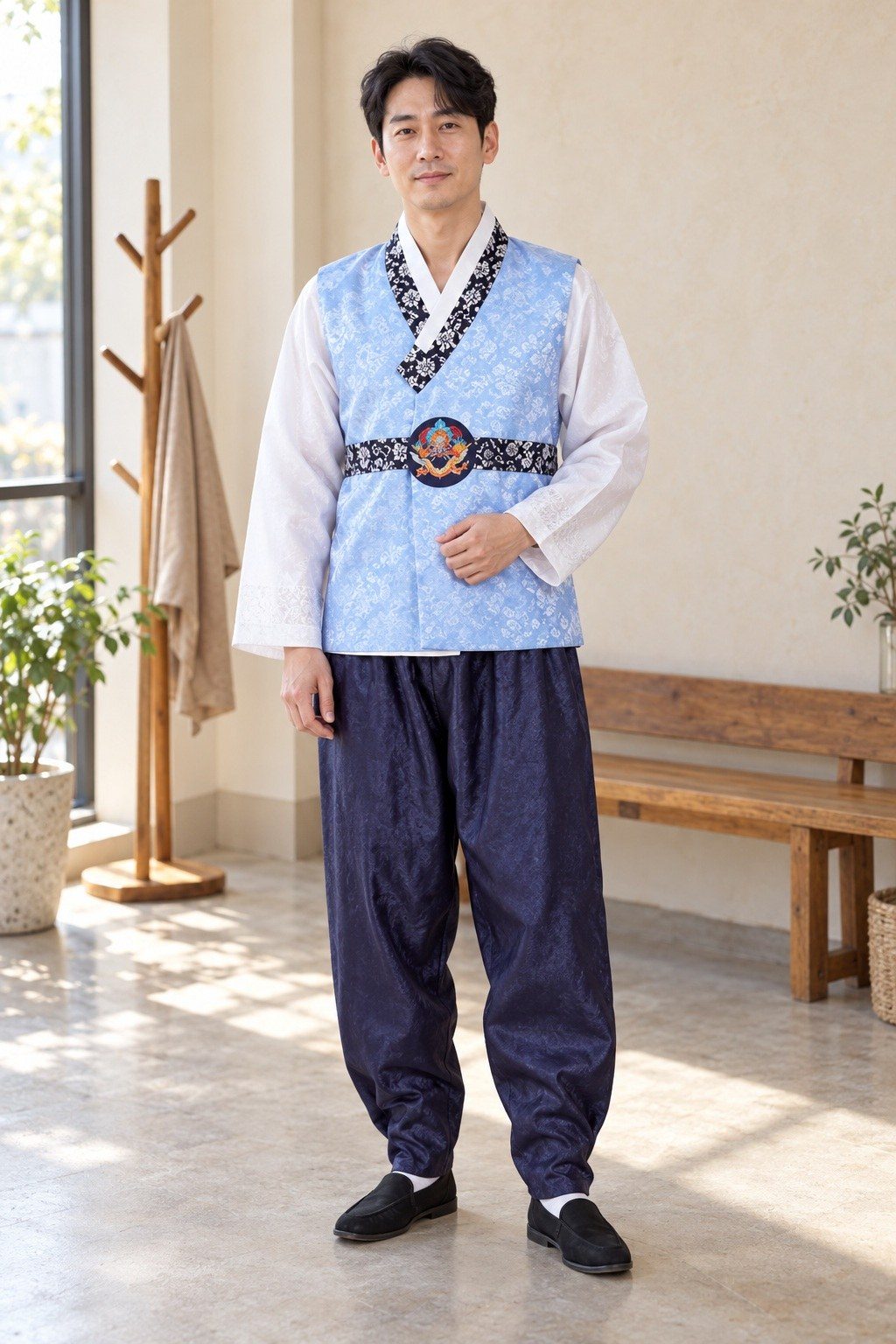
A favorite character gives your costume a story as well as a shopping list. Start with the detail that drew you to them: Jo’s decorated overalls, Rumi’s purple braid, O-Ren’s white layers, Chun-Li’s blue-and-gold costume, or Diane’s green blazer. Keep that detail prominent, then use the guide to assemble the remaining clothes and accessories. You can choose familiar everyday pieces or a more elaborate set without needing every costume here to use traditional clothing.
If you prefer a garment tradition, compare the wrap, collar, skirt, or trouser shape before choosing the colors and finish. The same planning approach works for a friends’ group: choose a story or shared event, decide on the versions, and let each person build a complete look that fits them. A coherent set of clothes and a few thoughtful character details will serve the evening better than a bag of unrelated extras.
The costume cards link to each character or garment guide for its specific clothing version, shopping options, and dressing steps.
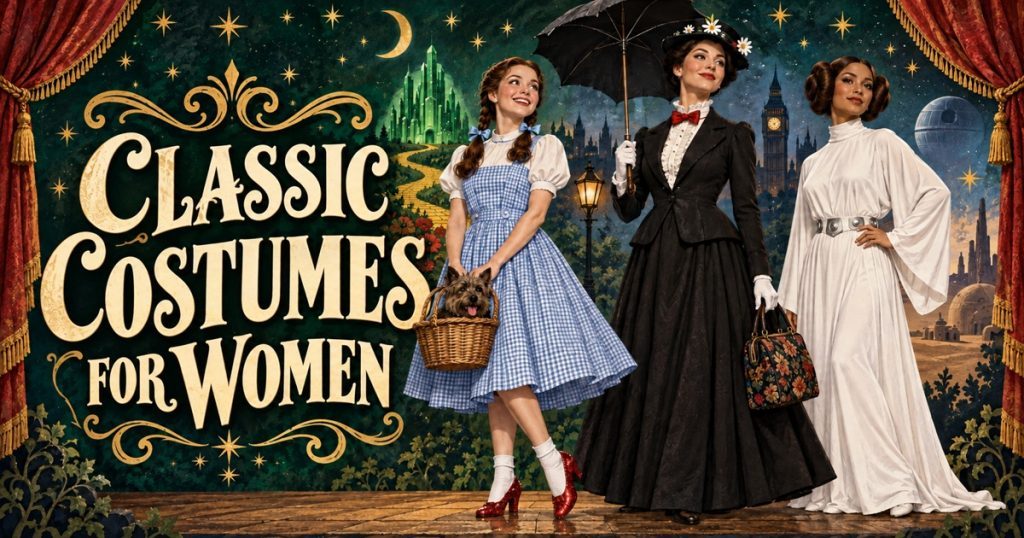
Compare other classic costume directions when you want a recognizable garment rather than a named character.
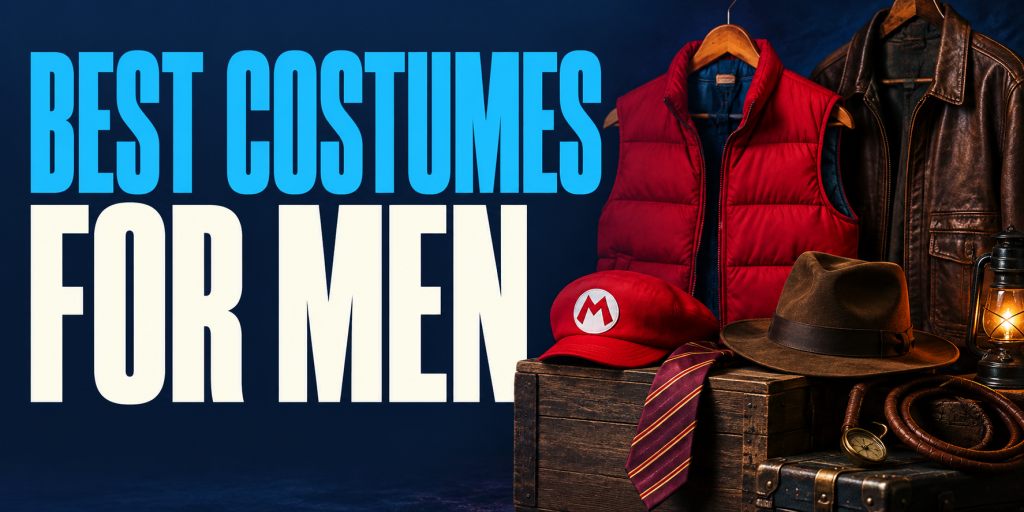
Explore character outfits and clothing-based costume options for men, from familiar separates to complete transformations.

Browse movie, television, and game costumes for women when you want a specific character behind your outfit.
CW is reader-supported. When you buy through links on our site, we may earn an affiliate commission. Learn more about CW →